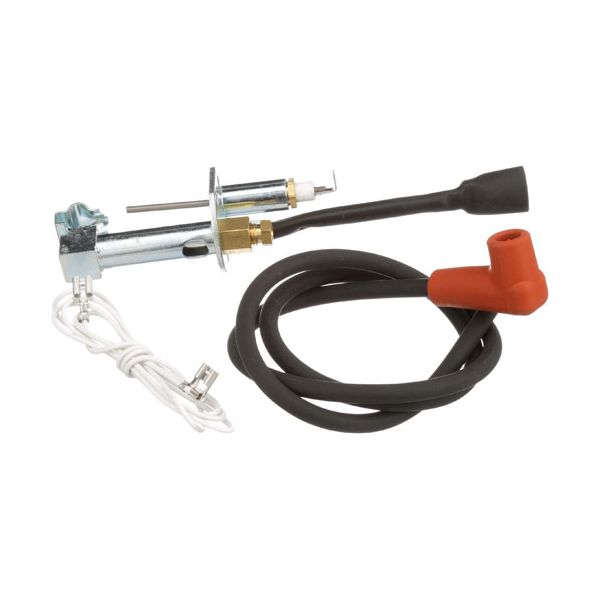
Blodgett 56463 Oven Pilot Burner-NAT

Special Price $135.52 Regular Price $267.09
In stock
SKU
56463
The Blodgett 56463 Pilot Burner-NAT is a special purpose burner designed for use in ovens, particularly the DFG series models 50, 100, 200, 300 and the Zephaire G series with solid state controls. This natural-gas pilot burner is 3/16" tube size, and has an igniter with 36" wire for an easy and efficient installation. The left flame pattern is optimized for heat distribution within the oven to give consistent cooking results. The flame sensor part number 44-1013 is included on the pilot burner for added safety, automatically stopping gas flow if the flame goes out.

Dimensions

  • Length: 4.5 In
  • Width: 3 In
  • Height: 2 In
  • Weight: 0.4 lbs
https://partsfe.com/media/catalog/product/b/l/blodgett-56463-oven-pilot-burner-nat-91358-2.jpg

Product Notes

  • Nat Pilot, Factory # Johnson J990Ftw-1, Tube Size 3/16",
  • Flame Pattern Left,W/ Igniter W/ 36" Wire
  • Has Flame Sensor # 44-1013
  • Nat Orifice # 26-1673
  • Lp Orifice # 26-1674
  • Blodgett
  • Oven Series: Dfg 50, 100, 200 & 300
  • (After 1/1/86), Zephaire G
  • With Solid State Controls.
Provides the pilot flame required to initiate main burner ignition in natural gas convection ovens. The Blodgett 56463 Pilot Burner directs natural gas through the pilot assembly to establish a controlled flame near the main burner. This flame serves as the ignition source when the oven calls for heat. Proper pilot operation supports reliable burner startup and continued heating operation.

Pilot Flame Generation:
The pilot burner meters natural gas through its pilot outlet to establish a controlled flame at the designated ignition point. The flame is positioned close to the main burner so that fuel released during a heating demand can be ignited promptly. Consistent gas delivery and an unobstructed pilot opening help maintain the required flame pattern for repeated burner-starting cycles.

Flame Stability:
Maintains a steady pilot flame throughout repeated ignition cycles so the main burner has a reliable ignition source. Dirt, scale, corrosion, restricted gas flow, or physical deformation can change the flame shape, size, or position. A stable flame pattern helps maintain dependable ignition and reduces intermittent burner-starting problems.

Replacement Guidelines:
Replace the Convection Oven Pilot Burner if it is damaged, cracked, corroded, clogged, or no longer provides proper pilot burner operation. The part number 56463 and NAT configuration should be verified before replacement to ensure the correct pilot burner is selected. Replace the pilot burner if deterioration affects pilot ignition, flame stability, gas flow, connection integrity, or normal oven operation.

Common Failure Symptoms:

  • Pilot flame does not establish normally.
  • Pilot flame becomes weak or inconsistent.
  • Burner ignition becomes intermittent.
  • Pilot burner shows visible damage or deterioration.
  • Main burner ignition does not respond normally to the pilot flame.

Equipment Compatibility:
Verify that BLODGETT part number 56463 matches the equipment documentation before purchasing. Confirm the applicable convection oven configuration, natural gas pilot burner specifications, and manufacturer parts information. The part is specified for applicable DFG and Zephaire G oven configurations with solid-state controls.

Technical Specifications:
Brand: Blodgett
Part Number: 56463
Component Name: Pilot Burner
Appliance Type: Commercial Convection Oven
Gas Type Application: Natural Gas (NAT)

Write Your Own Review
You're reviewing:Blodgett 56463 Oven Pilot Burner-NAT
Your Rating
Customer Questions
What is the Best Electric Griddle?

Electric Griddle is an electronic equipment that uses an electric element as its heat source. It has a large cooking surface often made up of nonstick material. Electric Griddle has a surface which you do not find in the regular stovetop cookware. ...

What maintenance is required for the Blodgett 56463 Pilot Burner?

Periodically inspect the pilot burner for soot buildup or debris that could affect ignition. Verify the flame is steady and properly sized. Ensure gas tubing is secure and connections are tight to maintain consistent pilot operation.

What are the common issues with the Blodgett 56463 Pilot Burner?

  • Burner fails to ignite or stays unlit
  • Irregular flame or weak ignition
  • Soot buildup affecting performance
  • Gas leakage due to loose connections.

What are common issues with the Blodgett 56463 Pilot Burner?

  • Pilot flame not lighting consistently.
  • Delayed ignition of main burner.
  • Gas flow irregularities.
  • Pilot extinguishes unexpectedly.

What is the Blodgett 56463 pilot burner used for?

The Blodgett 56463 provides the pilot flame for a compatible gas convection oven. This flame serves as the ignition source within the oven's burner system.

What does "NAT" mean on the Blodgett 56463?

"NAT" indicates that the pilot burner is configured for natural gas. This designation helps buyers identify the appropriate fuel configuration when selecting the component.

We strive to provide our customers with a hassle-free and efficient shopping experience. Our shipping policy ensures the timely delivery of your orders and complete customer satisfaction. View More

We are committed to ensuring your complete satisfaction with every purchase. We understand that circumstances may arise where you must return a product or request a refund. If for any reason you are not satisfied, you may return the item(s) according to the terms outlined below. View More

This Payment Policy outlines the terms and conditions governing all payments made for products purchased through our website. By making a purchase, you agree to be bound by this Payment Policy. View More

Installation Steps

Step1: Turn off the gas supply and allow the oven to cool fully.

Step2: Access the burner area by removing the oven’s lower panel.

Step3: Disconnect the pilot gas line and mounting bracket carefully.

Step4: Remove the old pilot burner from its position.

Step5: Install the new pilot burner and secure it in place.

Step6: Reconnect the gas line, restore supply, and test ignition and flame stability.