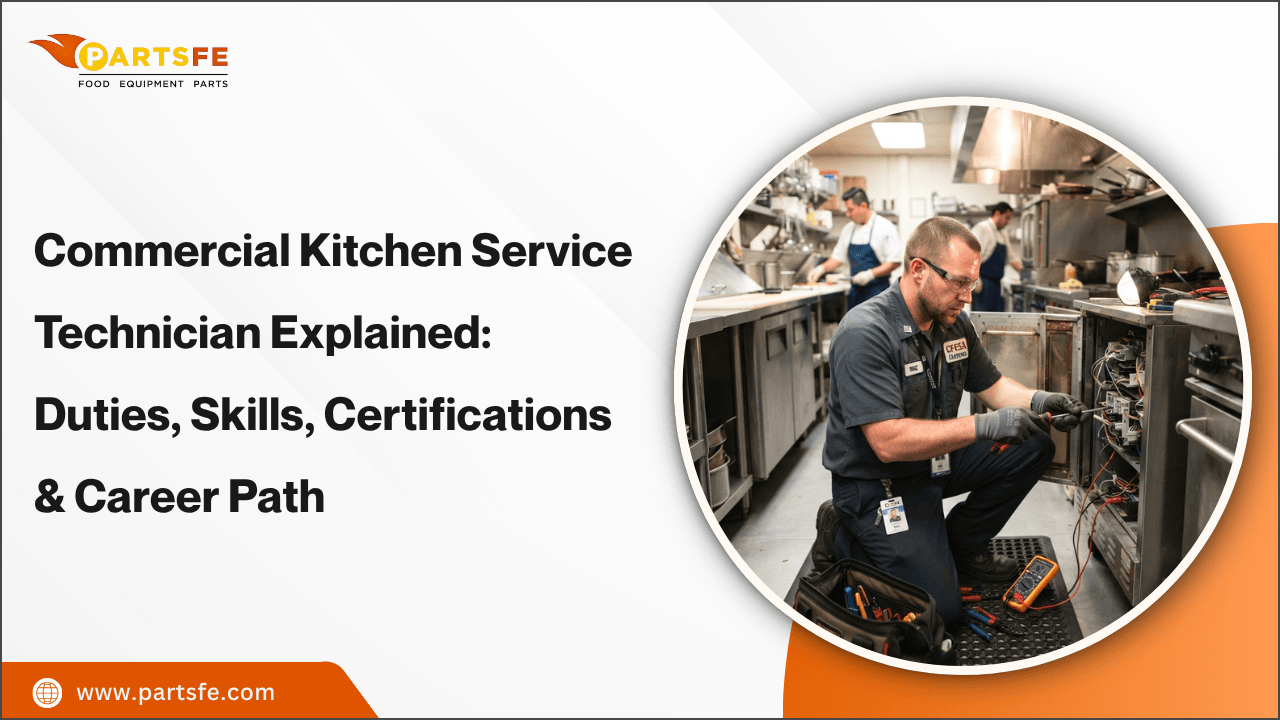
Commercial Kitchen Service Technician Explained: Duties, Skills, Certifications & Career Path
Commercial kitchens rely on a variety of heavy-duty equipment to keep daily operations running smoothly. From cooking appliances and refrigeration systems to dishwashing equipment, every machine plays an important role in food preparation and service. When this equipment stops working, skilled technicians are needed to quickly identify issues and restore proper operation.
A commercial kitchen service technician specializes in installing, maintaining, troubleshooting, and repairing professional kitchen equipment. Their work helps restaurants, hotels, cafeterias, and other foodservice businesses prevent downtime, improve equipment performance, and maintain safe kitchen operations.
This blog explains the key duties, required skills, certifications, and career path of a commercial kitchen service technician.
Understanding the Role of a Commercial Kitchen Service Technician
A commercial kitchen service technician is a skilled professional who installs, maintains, troubleshoots, and repairs commercial foodservice equipment. They work with heavy-duty machines used in restaurants, hotels, cafeterias, hospitals, and other commercial kitchens.
Unlike residential appliance technicians, commercial kitchen service technicians handle larger and more complex equipment designed for high-volume use. Their work ensures that essential kitchen systems operate safely, efficiently, and with minimal downtime.
These technicians service a wide range of equipment, including:
-
Commercial ovens and ranges
-
Fryers and griddles
-
Refrigerators and freezers
-
Ice machines
-
Commercial dishwashers
-
Steamers and combi ovens
-
Food preparation equipment
Their daily tasks include diagnosing equipment issues, replacing faulty components, performing preventive maintenance, and testing repairs to ensure proper operation. By keeping kitchen equipment in good condition, they help businesses avoid service interruptions and maintain smooth kitchen operations.
Key Duties and Responsibilities in Commercial Kitchen Equipment Service
Commercial kitchen service technicians handle a wide range of tasks to keep foodservice equipment operating safely and efficiently. Their responsibilities include installation, troubleshooting, repairs, and regular maintenance to prevent unexpected equipment failures.
Equipment Installation and Setup
Technicians install new commercial kitchen equipment and ensure all connections are properly completed. This may include electrical wiring, gas connections, water lines, and system testing to confirm safe operation.
Troubleshooting and Repairs
Identifying equipment problems is one of the most important duties of a service technician. They inspect components, test systems, and diagnose issues to find the root cause of failures.
Common repair tasks include:
-
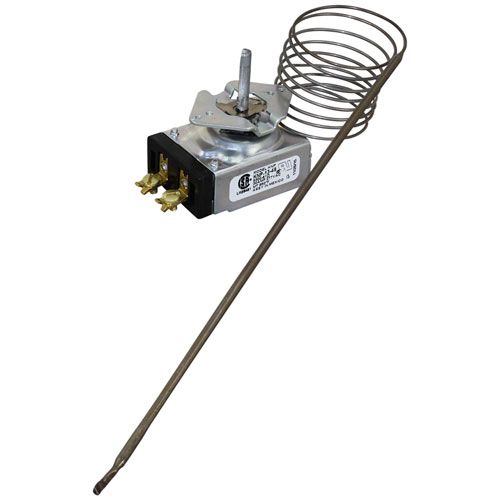
Replacing heating elements and thermostats
-
Repairing control boards and electrical components
-
Fixing motors, pumps, and mechanical parts
-
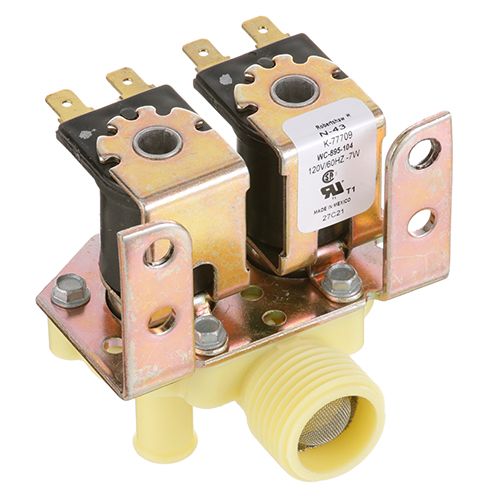
Replacing worn seals, gaskets, and valves
-
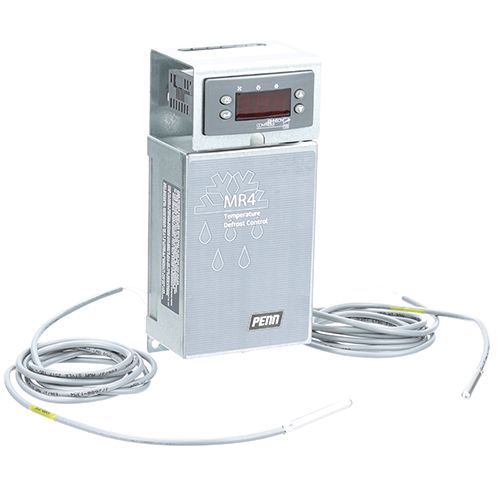
Troubleshooting refrigeration and temperature issues
Preventive Maintenance
Regular maintenance helps reduce breakdowns and extends equipment lifespan. Technicians inspect machines, clean critical components, check performance, and replace worn parts before major problems occur.
Equipment Testing and Safety Checks
After completing repairs or maintenance, technicians test equipment to ensure it operates correctly. They also inspect safety features, electrical connections, gas systems, and temperature controls to help maintain a safe working environment.
Customer Support and Service Documentation
Technicians often explain equipment issues, repair solutions, and maintenance recommendations to kitchen managers or business owners. They also document service work, replaced parts, and future maintenance needs.
Technicians help prevent equipment downtime by providing repairs, maintenance, and technical support to keep commercial kitchens running efficiently.
Essential Skills and Qualifications for a Commercial Kitchen Service Technician
A commercial kitchen service technician needs a combination of technical knowledge, practical experience, and problem-solving skills to handle complex equipment issues. Since commercial kitchen systems involve electrical, mechanical, refrigeration, and digital components, technicians must have the right skills and training to perform repairs safely and efficiently.
Technical Repair Skills
Technicians must understand different equipment systems and components, including:
-
Electrical circuits and wiring
-
Gas-powered kitchen equipment
-
Refrigeration systems
-
Mechanical components
-
Digital controls and sensors
This knowledge helps them diagnose faults, replace damaged parts, and complete accurate repairs.
Troubleshooting and Diagnostic Skills
Commercial kitchen equipment problems can vary from simple component failures to complex system issues. Technicians need strong diagnostic abilities to inspect equipment, test parts, identify the root cause, and apply the correct repair solution.
Training and Hands-On Experience
Most technicians gain skills through vocational programs, technical schools, apprenticeships, or manufacturer training. Hands-on experience helps them understand different commercial equipment designs and improve their repair techniques.
Certifications and Safety Knowledge
Technical training and certifications help technicians improve their skills and career opportunities. Organizations like the Commercial Food Equipment Service Association (CFESA) provide resources and training related to commercial food equipment service, including:
-
Electrical systems
-
Gas equipment
-
Commercial foodservice equipment
-
Equipment troubleshooting
Technicians working with refrigeration systems may need EPA Section 608 certification for refrigerant handling. Safety training is important when working with electrical, gas, and high-powered kitchen equipment.
Communication and Customer Service Skills
Technicians often work directly with restaurant owners, managers, and kitchen staff. Clear communication helps them explain problems, recommend solutions, and provide maintenance guidance.
With the right skills, training, and certifications, commercial kitchen service technicians can build a strong career supporting foodservice operations.
Commercial Kitchen Service Technician Career Path, Salary, and Job Opportunities
A career as a commercial kitchen service technician offers growth opportunities as foodservice businesses continue to depend on advanced equipment. With proper training and experience, technicians can move into specialized and leadership roles.
Career Path for Commercial Kitchen Service Technicians
Many technicians start through technical programs, apprenticeships, or entry-level service positions. With experience, they can advance to roles such as:
-
Junior service technician
-
Senior service technician
-
Service manager
-
Equipment specialist
-
Technical trainer
Some experienced technicians also start their own repair businesses or specialize in areas like refrigeration and advanced cooking equipment.
Salary Factors for Commercial Kitchen Service Technicians
Salary depends on factors such as experience, location, certifications, and technical skills. Technicians with expertise in electrical systems, refrigeration, and modern controls often have greater earning potential.
Key factors include:
-
Hands-on experience
-
Industry certifications
-
Equipment specialization
-
Ability to handle complex repairs
Job Opportunities and Industry Demand
Commercial kitchen service technicians work in restaurants, hotels, hospitals, schools, catering businesses, and other foodservice facilities. As kitchens adopt smarter and more efficient equipment, skilled technicians will continue to be needed for installation, maintenance, and repairs.
Summary: Building a Successful Career as a Commercial Kitchen Service Technician
Commercial kitchen service technicians play a vital role in maintaining the equipment that keeps restaurants and foodservice businesses operating efficiently. Their work includes installing, troubleshooting, repairing, and maintaining commercial kitchen equipment while ensuring safe and reliable performance.
Building a career in this field requires technical skills, hands-on training, problem-solving abilities, and industry certifications. With growing demand for skilled equipment professionals, commercial kitchen service technicians can find opportunities for career growth, specialization, and long-term success.
Key Takeaways
-
Commercial kitchen service technicians repair and maintain essential foodservice equipment.
-
Strong technical knowledge and troubleshooting skills are important for success.
-
Training, certifications, and hands-on experience help improve career opportunities.
-
Technicians can advance into senior roles, management positions, or specialized fields.
-
The growing use of advanced kitchen equipment continues to increase demand for skilled technicians.
PartsFe offers a wide range of commercial kitchen equipment parts to help technicians and businesses repair and maintain essential appliances. From cooking equipment to refrigeration and ice machine parts, PartsFe helps keep commercial kitchens running efficiently.
Reference:
https://www.boisestate.edu/hrs-job-levels-job-standards/job-standard-for-commercial-appliance-repair-technician/
https://www.epa.gov/section608/section-608-technician-certification-requirements
https://cfesa.com/technician-certification/
FAQs
What tools do commercial kitchen service technicians use?
Commercial kitchen service technicians use tools such as multimeters, diagnostic equipment, hand tools, pressure gauges, and specialized repair tools to inspect and fix equipment issues.
Can commercial kitchen service technicians specialize in specific equipment?
Yes, technicians can specialize in areas such as refrigeration systems, cooking equipment, ice machines, electrical controls, or specific manufacturer equipment.
What industries hire commercial kitchen service technicians?
Commercial kitchen service technicians work in restaurants, hotels, schools, hospitals, catering companies, foodservice facilities, and equipment service companies.
|
Disclaimer: This blog is for informational purposes only and provides general information about commercial kitchen service technicians, their duties, skills, certifications, and career opportunities. |