In 2026, commercial kitchens are increasingly prioritizing energy efficiency as a strategic way to reduce operating costs and environmental impact. With rising utility prices and growing sustainability regulations, restaurants, hotels, and catering businesses are turning to modern cooking equipment designed to use less energy without compromising performance. Innovations in induction technology, smart ovens, and high-efficiency fryers are making it easier for kitchen operators to achieve consistent...
 Read morePosted: February 24, 2026
 When your American Range fryer suddenly stops working in the middle of service, it’s more than an inconvenience; it's lost time, lost revenue, and frustrated customers. A fryer that won’t heat, maintain temperature, or power on can disrupt your entire kitchen flow within minutes. In high-demand environments, every second counts, and equipment failure simply isn’t an option. The good news? Many common fryer problems can be diagnosed and resolved without immediately calling for professional repair...Read morePosted: February 24, 2026
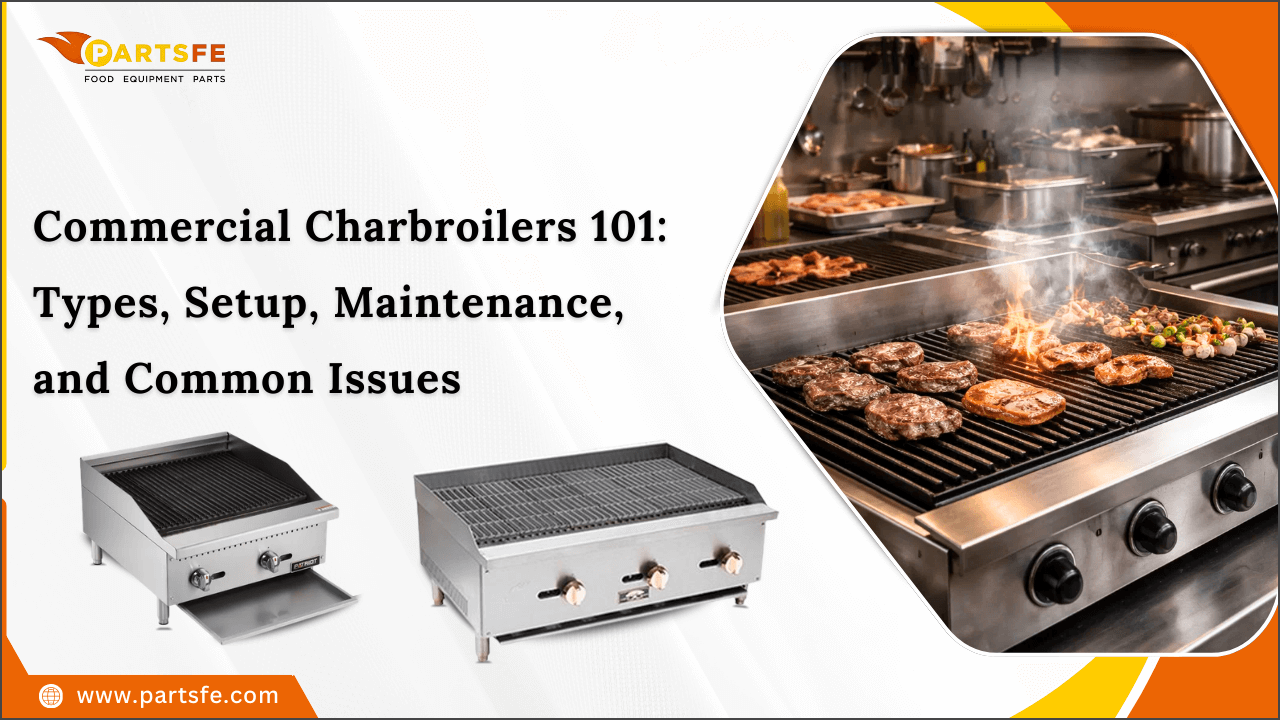 Commercial kitchens rely heavily on charbroilers for searing, grilling, and enhancing flavor in meats and vegetables. Understanding how to identify the different types, along with proper setup and maintenance, ensures efficiency, safety, and consistent food quality. Choosing the right charbroiler and keeping it in top condition can significantly reduce downtime, lower energy costs, and prevent frequent repairs. Whether you run a busy restaurant or a catering kitchen, a well-maintained charbroiler...Read morePosted: February 17, 2026
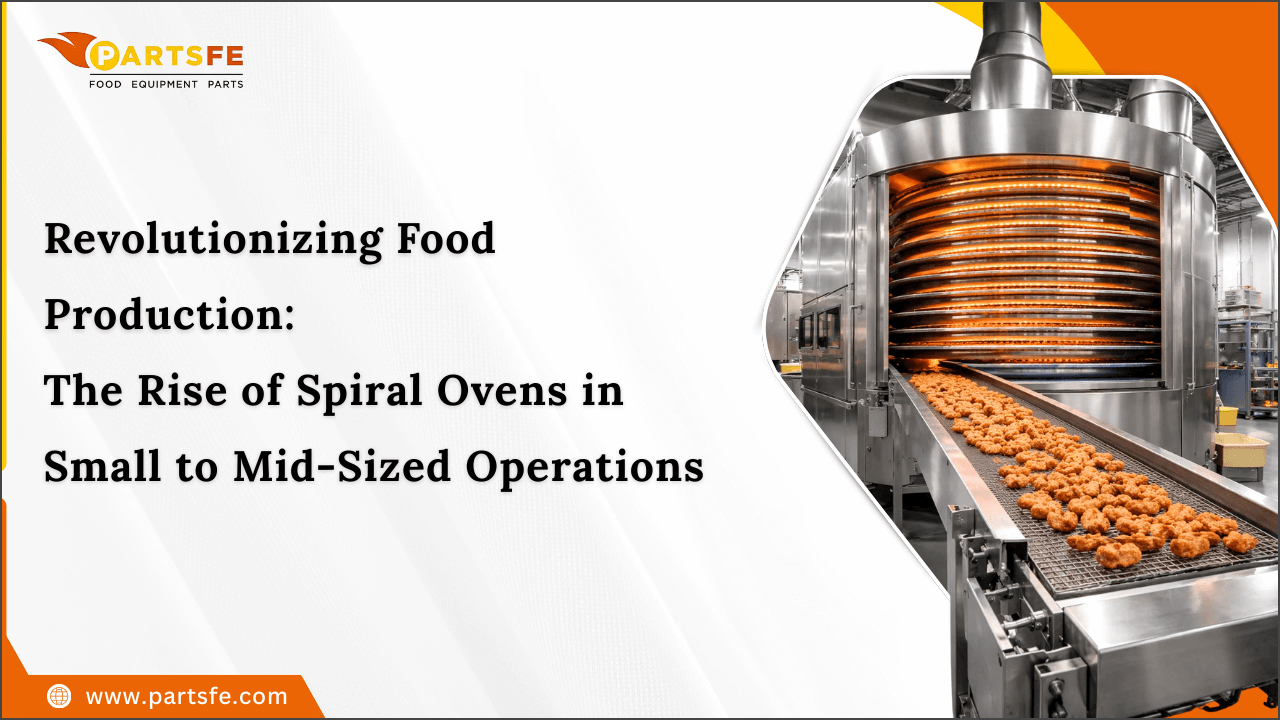 The food production industry is evolving rapidly, and small to mid-sized operations are turning to innovative solutions to stay competitive. Among these, spiral ovens have emerged as a game-changer, offering consistent baking, faster throughput, and improved efficiency. Their compact design and advanced technology allow smaller businesses to scale production without sacrificing quality. From artisanal bread to frozen meals, spiral ovens help streamline workflows, reduce labor demands, and maintain...Read morePosted: February 17, 2026
 Ice is more than just a simple ingredient in drinks—it’s a critical component of food safety in restaurants, cafes, and commercial kitchens. Contaminated ice can harbor harmful bacteria, viruses, and other pathogens, turning what should be a refreshing addition into a serious health risk. Proper ice handling is essential to protect both customers and the reputation of your foodservice business. This guide covers the top 10 best practices for ice safety in foodservice operations and commercial kitchens...Read morePosted: February 10, 2026
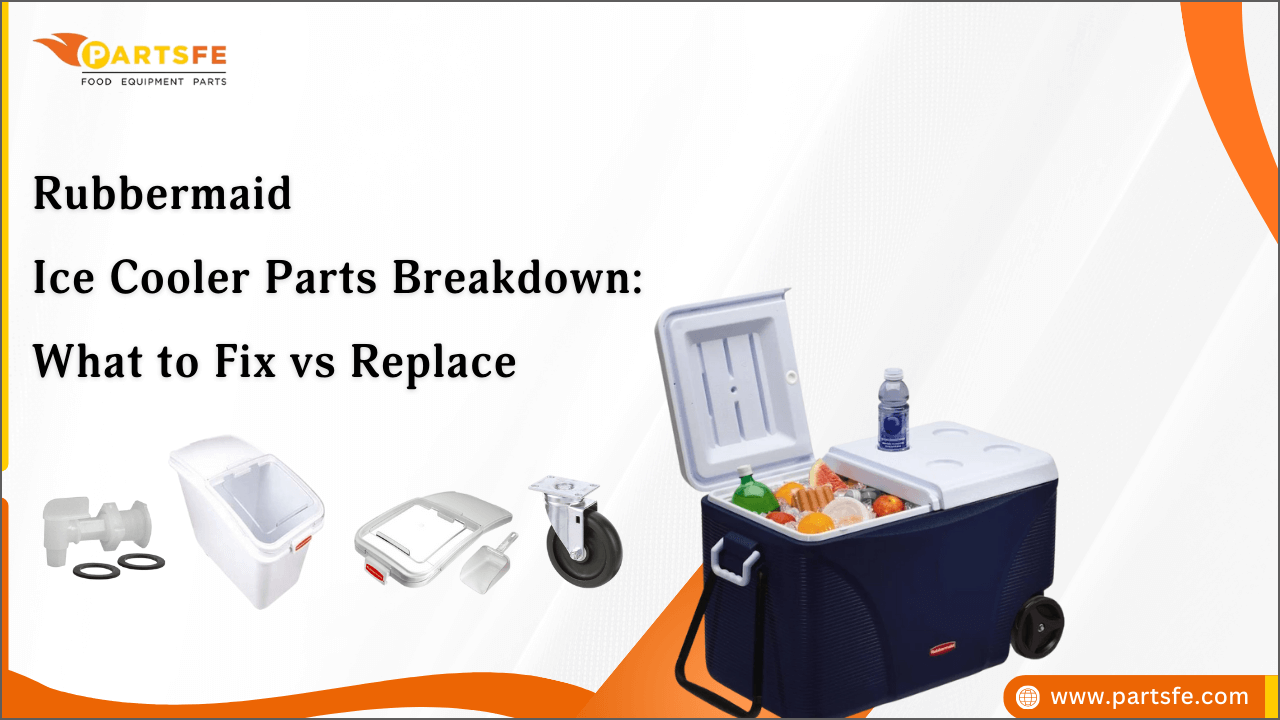 Rubbermaid ice coolers are essential for keeping food and beverages cold during outings, picnics, or kitchen use. Frequent use can wear down components like lids, hinges, and gaskets, leading to cracks, leaks, or reduced cooling performance. Understanding which parts can be repaired versus replaced helps save time, money, and frustration, ensuring your cooler continues to function efficiently. Identifying the problem is the first step in proper maintenance, since some parts can be repaired or swapped...Read morePosted: February 10, 2026
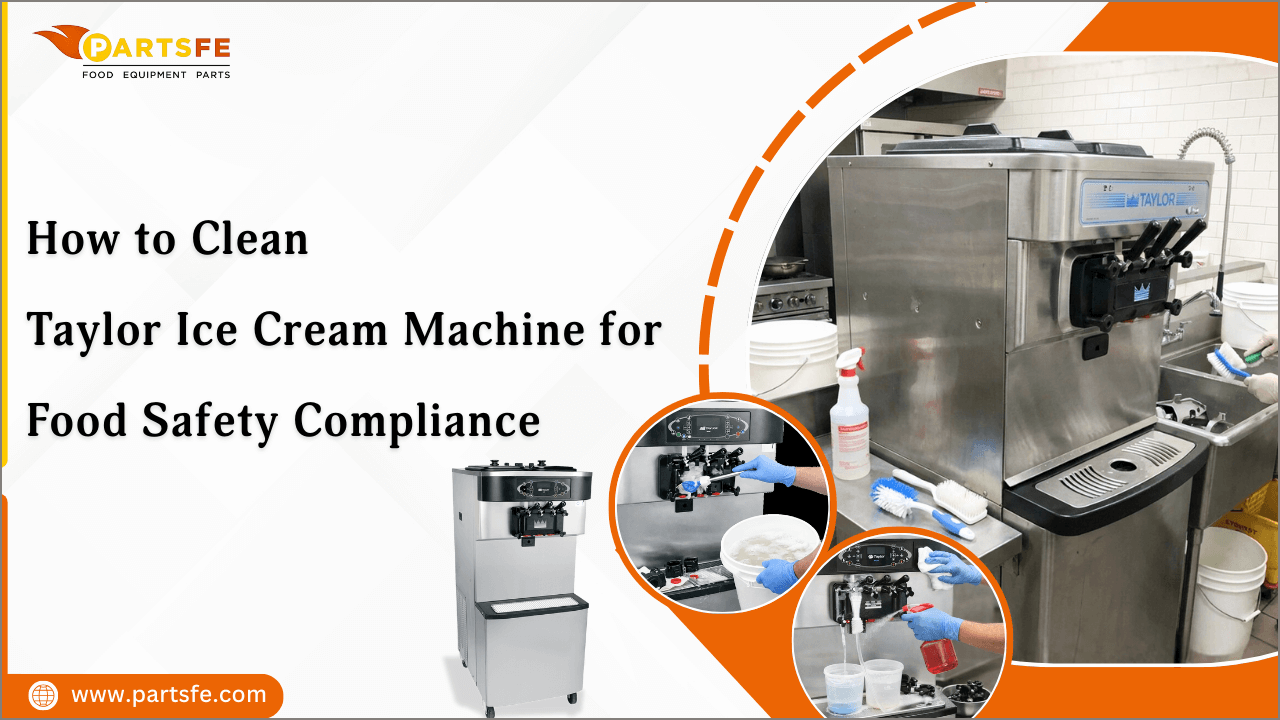 Taylor ice cream machines are essential in restaurants, cafés, and ice cream shops, delivering creamy, consistent ice cream and frozen yogurt. Without proper cleaning, they can become breeding grounds for harmful bacteria like Listeria or Salmonella, putting customers at risk and threatening your business reputation. Regular checks of Taylor ice cream machine parts prevent ice crystal formation, help maintain consistent flavor and creaminess, ensuring each batch meets both quality and safety standards...Read morePosted: February 03, 2026
 In today’s competitive marketplace, customer loyalty is no longer guaranteed. Even restaurants, cafes, and eateries face backlash from long waits to menu changes, but a well-designed loyalty program can turn disappointment into a reason to return. When diners feel recognized and appreciated, even frustrated customers are more likely to give a restaurant or cafe another chance. By offering personalized rewards, exclusive deals, and thoughtful perks, restaurants, cafes, and other dining establishments...Read morePosted: February 03, 2026
Recent Posts