From Dough to Done: How Spiral Mixers Transform Professional Kitchen Workflows
In professional kitchens, preparing consistent dough is essential for delivering high-quality baked products. From artisan bread and pizza crusts to rolls and bagels, the mixing process directly affects texture, structure, and overall results. Traditional mixing methods can take more time and require extra effort, especially when handling large production volumes.
Spiral mixers are designed to simplify dough preparation by providing efficient mixing performance with consistent results. Their unique rotating bowl and spiral hook system help develop dough properly while reducing manual work, making them a valuable addition to bakeries, restaurants, and commercial foodservice operations.
This blog explains how spiral mixers improve dough quality, increase kitchen efficiency, and the key features to consider when choosing a commercial spiral mixer.
What Makes Spiral Mixers Different from Other Commercial Mixers?
Unlike planetary mixers, spiral mixers are built exclusively for mixing dough. Their design allows both the dough hook and mixing bowl to rotate simultaneously, ensuring the ingredients are blended evenly with minimal stress on the dough.
This gentle yet efficient mixing action develops gluten properly while preventing excessive heat buildup that can negatively affect dough texture and fermentation. Because the dough is handled more carefully, it maintains better elasticity and structure throughout the mixing process.
Key characteristics that set spiral mixers apart
-
Simultaneous Bowl and Hook Rotation: Ensures thorough and even mixing throughout the entire batch.
-
Superior Gluten Development: Creates strong, elastic dough for improved baking performance.
-
Reduced Heat Buildup: Minimizes friction during mixing, helping maintain the ideal dough temperature.
-
High Dough Capacity: Handles large batches efficiently, making it suitable for commercial production.
-
Consistent Mixing Results: Produces uniform dough with less need for manual adjustments.
-
Gentle Dough Handling: Preserves dough structure and hydration for better texture and rise.
-
Designed for Heavy Doughs: Easily mixes bread, pizza, bagel, and other dense yeast-based doughs.
These features make spiral mixers a preferred choice for businesses that prepare dough daily. They improve consistency, increase production efficiency, and help deliver high-quality baked products with every batch.
How Spiral Mixers Improve Dough Quality and Mixing Consistency
Consistent dough is essential for producing high-quality baked goods. Uneven mixing can affect gluten development, fermentation, texture, and the final appearance of bread or pizza. Spiral mixers use a gentle folding and stretching action that blends ingredients evenly while minimizing heat buildup. This helps create smooth, elastic dough with consistent quality from one batch to the next.
|
Dough Quality Factor |
How Spiral Mixers Help |
|
Gluten Development |
The gentle stretching and folding action strengthens gluten networks, creating dough with better elasticity and structure. |
|
Dough Temperature Control |
Reduced friction during mixing prevents excessive heat buildup, helping maintain ideal conditions for fermentation. |
|
Ingredient Distribution |
Ensures flour, water, yeast, and other ingredients are evenly combined for consistent dough quality. |
|
Dough Texture |
Produces smooth and well-hydrated dough that is easier to shape and process. |
|
Fermentation Support |
Maintains proper dough conditions, allowing more predictable rising and proofing results. |
|
Batch Consistency |
Delivers the same mixing performance across multiple batches, reducing variations in finished products. |
|
Improved Product Quality |
Helps achieve better volume, crumb structure, crust texture, and overall baking performance. |
By improving dough consistency and mixing accuracy, spiral mixers help bakeries and commercial kitchens achieve reliable baking results while increasing efficiency and maintaining product quality throughout daily production.
Ways Spiral Mixers Increase Efficiency in Professional Kitchen Workflows
Professional kitchens need equipment that can handle high production demands while maintaining consistent dough quality. Spiral mixers simplify the mixing process, reduce preparation time, and allow staff to focus on other important kitchen tasks.
-
Faster Dough Preparation: Spiral mixers quickly combine ingredients and prepare large dough batches, helping kitchens save time during busy operations.
-
Increased Production Capacity: Their high-capacity design allows businesses to produce more dough in fewer batches, improving overall output.
-
Reduced Labor Requirements: By automating the mixing process, spiral mixers reduce manual effort and allow employees to handle other kitchen responsibilities.
-
Consistent Mixing Results: Spiral mixers provide uniform mixing performance, helping maintain consistent dough texture and quality across batches.
-
Better Workflow Management: Timers and controls make it easier to manage mixing cycles, improving kitchen organization and daily productivity.
-
Supports High-Volume Production: Designed for bakeries, pizzerias, and restaurants, spiral mixers help businesses efficiently manage large-scale dough preparation.
By improving speed, consistency, and productivity, spiral mixers help professional kitchens create smoother workflows and handle higher production demands with ease.
Key Features to Consider When Choosing a Commercial Spiral Mixer
Choosing the right commercial spiral mixer depends on production needs, kitchen space, and maintenance requirements. A suitable mixer should deliver consistent dough quality, handle daily workloads, and provide easy servicing options. Key factors like capacity, motor power, controls, durability, and replacement parts help businesses select the right equipment for efficient operations.
Choose the Right Mixing Capacity: The bowl capacity determines the amount of dough prepared per batch. Selecting the right size helps reduce mixing cycles and improves production efficiency.
Evaluate Motor Power: A strong motor allows the mixer to handle heavy dough types while maintaining smooth and consistent performance during regular use.
Check Speed and Control Options: Adjustable speeds and timers provide better control over mixing cycles and help achieve consistent dough results for different recipes.
Consider Build Quality: Durable materials and stainless steel components help the mixer withstand frequent commercial use while making cleaning and maintenance easier.
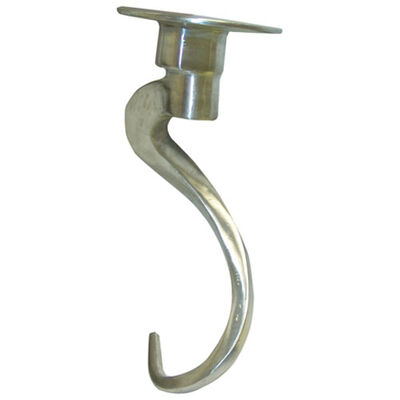
Ensure Replacement Part Availability: Parts such as spiral hooks, belts, bearings, and control components may require replacement over time. For leading brands like Hobart, choosing compatible Hobart mixer parts helps maintain reliable performance, minimize downtime, and keep your mixer running efficiently.
Review Safety Features: Safety guards and emergency stop functions help protect operators and support safer kitchen operations.
Selecting a spiral mixer with the right features, durability, and replacement support helps businesses improve productivity and maintain consistent dough preparation.
Summary: Transforming Dough Preparation with the Power of Spiral Mixers
Spiral mixers have become an essential tool for professional kitchens that need consistent and efficient dough production. Their unique mixing action helps develop gluten properly, maintain dough quality, and handle large batches with less manual effort. From bakeries to pizzerias, these mixers help improve workflow while delivering better results.
By choosing the right spiral mixer with suitable capacity, power, controls, and replacement part availability, businesses can improve productivity and reduce downtime. These features make spiral mixers a valuable investment for maintaining smooth kitchen operations and consistent baked product quality.
Key Takeaways
-
Spiral mixers are specially designed for efficient dough preparation.
-
The rotating bowl and spiral hook provide gentle, even mixing.
-
They improve gluten development and maintain better dough consistency.
-
High-capacity performance helps commercial kitchens increase production.
-
Proper features and easy replacement part availability support long-term operation.
Maintain your commercial spiral mixers with quality commercial kitchen equipment parts from PartsFe. Find essential components such as spiral hooks, belts, bearings, switches, and control parts designed to support repairs, reduce downtime, and keep your kitchen operations running efficiently.
References:
https://virtualpizzaacademy.com/blogs/news/why-spiral-mixers-are-the-best-choice-for-pizza-dough-a-game-changer-for-pizzaioli
https://www.hobartcorp.com/products/food-prep/mixers/spiral-mixers
FAQs
Do spiral mixers require regular maintenance?
Yes, regular cleaning, inspections, and component checks help maintain spiral mixer performance, prevent breakdowns, and extend equipment life.
Can spiral mixers improve dough fermentation?
Spiral mixers reduce friction and maintain dough temperature, supporting better gluten development and more consistent fermentation results.
Are spiral mixers suitable for small bakeries?
Yes, compact spiral mixers are available for small bakeries, helping them match production needs while saving space and improving dough preparation.
|
Disclaimer: This blog is for informational purposes only and provides general guidance about commercial spiral mixers, features, and maintenance. Specifications and requirements may vary by appliance. |