Induction Cooking: The Smart Choice for Energy Efficiency in Food Service
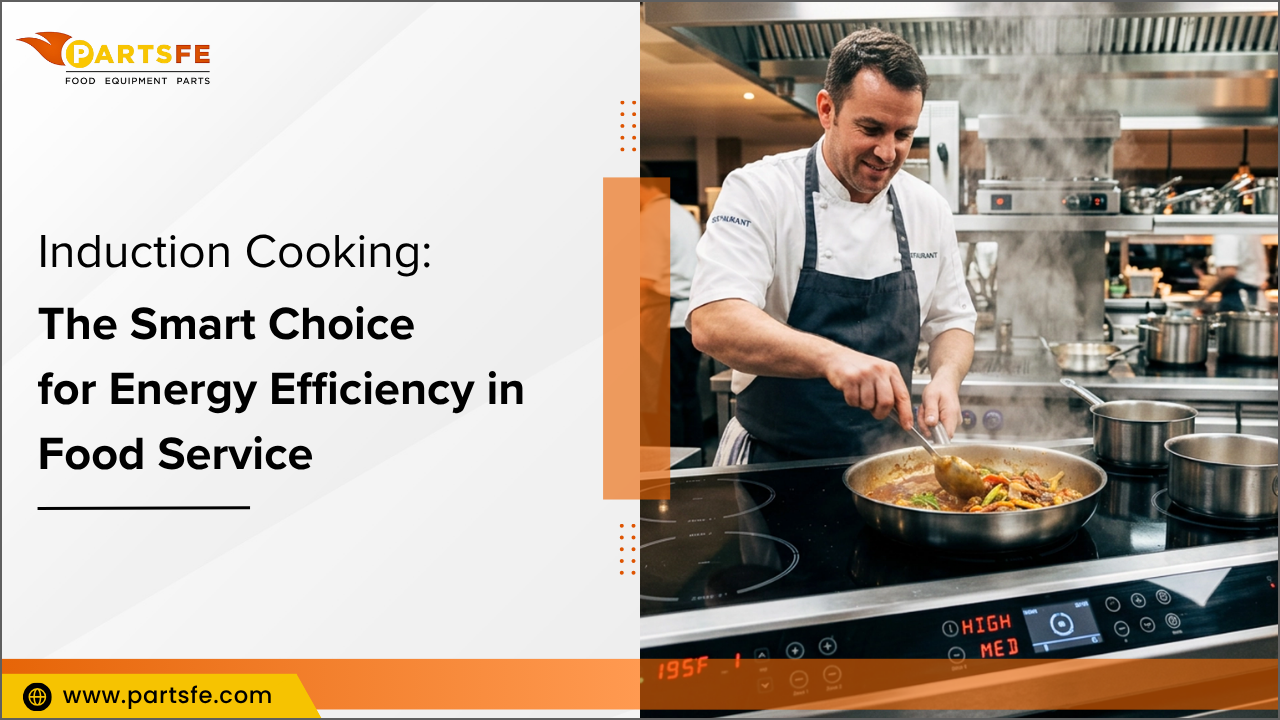
Induction cooking is becoming a preferred choice in modern food service kitchens due to its high energy efficiency, faster heating, and precise temperature control. It uses electromagnetic technology to heat cookware directly, reducing heat loss and improving overall cooking performance.
For restaurants, hotels, and commercial kitchens, induction cooking helps lower energy costs, improves safety, and enhances productivity during peak hours. It is a smart solution for achieving consistent cooking results while maintaining operational efficiency.
This blog explains the key benefits and working of induction cooking in food service kitchens.
How Induction Cooking Technology Works in Modern Kitchens
Induction cooking is designed to support fast, efficient, and controlled cooking in modern kitchens. It uses advanced technology to improve performance, reduce energy waste, and simplify cooking processes. This makes it especially useful in commercial food service environments where consistency, speed, and efficiency are essential.
The following explains how this process functions in a kitchen:
-
An electromagnetic coil creates a magnetic field beneath the cooktop
-
Heat is generated only when magnetic (ferrous) cookware is placed on the surface
-
Energy is transferred directly to the vessel, reducing heat loss
-
Instant heating allows quick temperature adjustments
-
The cooktop surface remains relatively cool and safe to touch
-
Compatible cookware, such as cast iron or stainless steel is required
This working method supports precise cooking control, enhances safety, and improves overall efficiency, making induction cooking a reliable solution for modern kitchens.
Energy Efficiency Benefits of Induction Cooking in Food Service
Induction cooking is increasingly used in food service kitchens due to its ability to support efficient and high-performance cooking operations. It aligns well with the needs of modern commercial kitchens where speed, consistency, and energy management play a crucial role. Its advanced technology helps streamline cooking processes and supports better overall workflow in busy environments.
The following points highlight how induction cooking improves energy efficiency in food service kitchens:
-
Reduced Energy Loss: Induction cooking minimizes heat wastage by transferring energy straight into the cookware, unlike traditional gas or electric systems where much of the heat escapes into the surroundings.
-
Faster Cooking Process: Since heat is generated instantly within the pan, cooking becomes quicker, helping kitchens manage high-order volumes efficiently during peak hours.
-
Lower Electricity Consumption: Energy is used only when a compatible pot or pan is placed on the surface, which improves efficiency and helps reduce overall power usage in busy food service operations.
-
Consistent Heat Control: Temperature can be adjusted instantly with precision, ensuring stable cooking results while avoiding unnecessary energy loss due to overheating.
-
Cooler Kitchen Environment: Because very little heat is released into the air, the kitchen stays cooler, reducing the load on ventilation and cooling systems and improving staff comfort.
Overall, induction cooking delivers a highly efficient energy solution that helps food service businesses reduce operational costs while maintaining fast and consistent cooking performance.
How Induction Cooking Enhances Speed and Kitchen Productivity
Induction cooking significantly improves speed and kitchen productivity by delivering instant heat directly to the cookware. Unlike traditional cooking methods that require time to preheat surfaces, induction systems respond immediately when turned on, allowing chefs to cook faster and manage multiple orders efficiently. This quick responsiveness is especially valuable in commercial kitchens where time and consistency are critical during peak service hours.
Below is a comparison showing how induction cooking enhances speed and productivity in food service kitchens:
|
Aspect |
Induction Cooking |
Traditional Cooking |
|
Heating Time |
Instant heat with no preheating required, saving valuable time |
Requires preheating, which delays the cooking process |
|
Temperature Control |
Precise and immediate adjustments for consistent results |
Slower response leads to uneven or delayed control |
|
Cooking Speed |
Faster cooking due to direct heat transfer to cookware |
Slower due to indirect heat and energy loss |
|
Kitchen Workflow |
Streamlined operations with minimal interruptions |
Workflow can be disrupted by delays and heat fluctuations |
|
Energy Use During Idle Time |
Consumes little to no energy when not in active use |
Continues to lose heat even when idle |
|
Multi-tasking Efficiency |
Supports multiple cooking zones with uniform performance |
Uneven heating can affect simultaneous cooking tasks |
|
Order Turnaround Time |
Faster dish preparation improves service speed |
Longer preparation time impacts service efficiency |
By reducing delays and improving workflow efficiency, induction cooking helps commercial kitchens achieve higher productivity, better time management, and consistent cooking performance.
Safety, Precision Control, and Cost Savings with Induction Cooking
Induction cooking offers a strong combination of safety, precise control, and cost savings, making it ideal for modern food service kitchens. Since heat is generated directly in the cookware, the surface stays cooler, reducing burn risks while ensuring consistent cooking and improved energy efficiency.
Enhanced Safety and Kitchen Environment
-
No open flames, reducing fire hazards
-
Cooler surface lowers risk of burns
-
Minimal heat keeps the kitchen more comfortable
-
Reduces the need for heavy ventilation
Precision Control and Cooking Consistency
-
Instant and accurate temperature control
-
Ensures consistent cooking results
-
Reduces overcooking and undercooking
-
Suitable for precise cooking tasks
Cost Savings and Operational Efficiency
-
Minimizes energy wastage
-
Lowers electricity and utility costs
-
Reduces wear and maintenance needs
-
Improves overall operational efficiency
Overall, induction cooking supports safer operations, better precision, and long-term cost efficiency in food service kitchens.
Summary: Induction Cooking for Efficient Food Service
Induction cooking is a smart and energy-efficient solution for modern food service kitchens. By directly heating cookware through electromagnetic technology, it reduces heat loss, speeds up cooking, and ensures better temperature control. This helps kitchens operate more efficiently while maintaining consistent food quality.
In addition to energy savings, induction cooking improves safety, enhances productivity, and lowers overall operational costs. Its ability to provide fast, precise, and controlled cooking makes it a reliable choice for commercial kitchens aiming for better performance and long-term efficiency.
Key Takeaways
-
Direct heat transfer improves energy efficiency
-
Faster cooking boosts kitchen productivity
-
Precise control ensures consistent results
-
Safer operation with minimal heat and no open flames
-
Helps reduce energy and maintenance costs
Induction cooking stands out as a practical and future-ready solution for efficient food service operations.
Shop high-quality commercial kitchen equipment parts at PartsFe to keep your appliances running efficiently. Find essential components for ovens, griddles and grills, fryers, and more for ensuring reliable performance and long-lasting efficiency.
References:
https://www.whirlpool.com/blog/kitchen/benefits-of-induction.html
https://www.kitchenaid.com/pinch-of-help/major-appliances/what-is-an-induction-cooktop.html
FAQs
Is induction cooking more energy-efficient than gas or electric cooking?
Yes, induction cooking transfers heat directly to the pan with minimal loss, making it more energy-efficient compared to gas and conventional electric stoves.
Does induction cooking help reduce operational costs?
Induction cooking lowers energy consumption, reduces heat loss, and minimizes maintenance needs, leading to overall cost savings.
Can induction cooking handle high-volume food service operations?
Yes, its fast heating and precise control make it ideal for handling high-demand and fast-paced commercial kitchen environments.
|
Disclaimer: This blog is for informational purposes only and provides general insights into induction cooking. Results may vary based on equipment and usage conditions. |