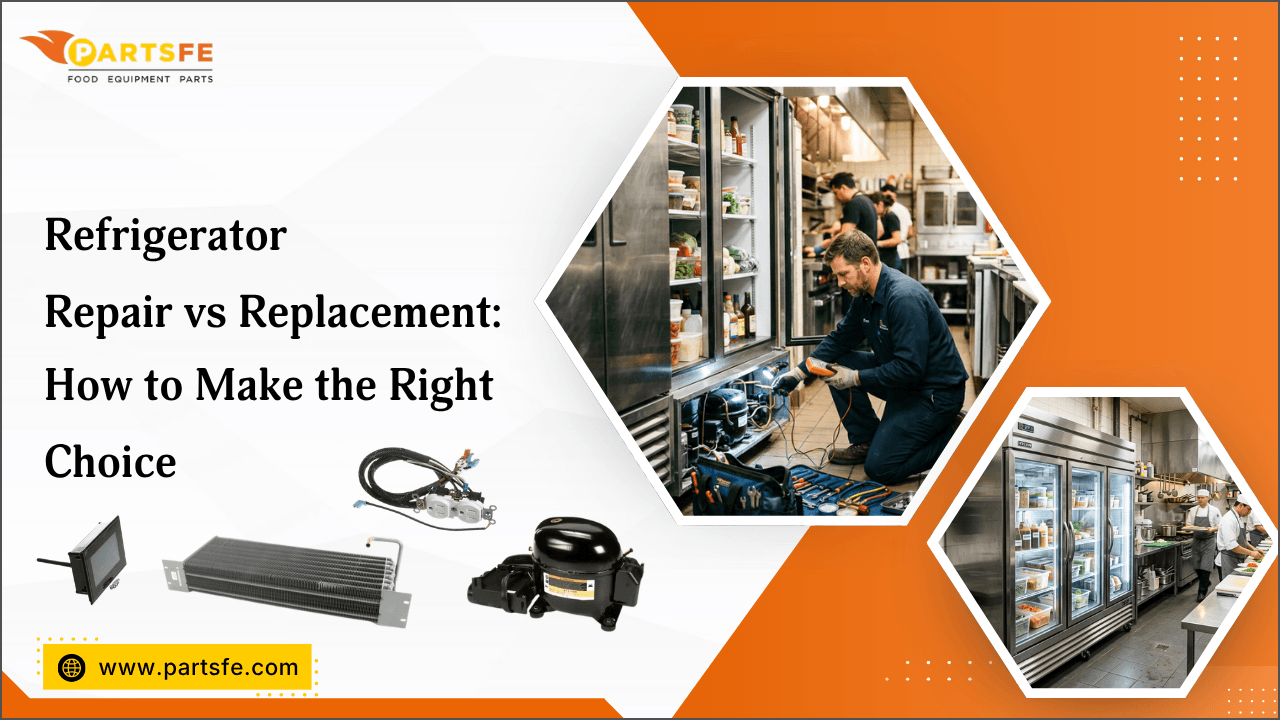
Commercial Refrigerator Repair vs Replacement: How to Make the Right Choice
A commercial refrigerator is usually worth repairing when the problem is isolated, the unit is structurally sound, and the repair cost is reasonable compared with its remaining service life. A faulty refrigerator compressor relay for example, may require replacing a single component rather than the entire refrigeration unit. Replacement becomes more practical when breakdowns are frequent, major components are failing, energy costs are increasing, or the refrigerator can no longer maintain reliable temperatures.
This guide explains how to decide between commercial refrigerator repair and replacement by comparing repair costs, refrigerator lifespan, maintenance needs, energy consumption, downtime, parts availability, and long-term operating costs.
How Do You Know if a Commercial Refrigerator Is Worth Repairing?
A commercial refrigerator is generally worth repairing when the problem is isolated, the unit is structurally sound, replacement parts are available, and the expected repair cost is reasonable compared with the refrigerator’s age and remaining service life. If the refrigerator has frequent breakdowns, major component failures, severe cabinet or insulation damage, or increasingly high operating costs, replacing the unit may provide better long-term value.
Before deciding, evaluate these five factors:
1. How Old Is the Commercial Refrigerator?
Consider the refrigerator’s age alongside its maintenance history, previous repair costs, condition, and expected remaining service life. A well-maintained unit may remain worth repairing despite its age.
2. What Component Has Failed?
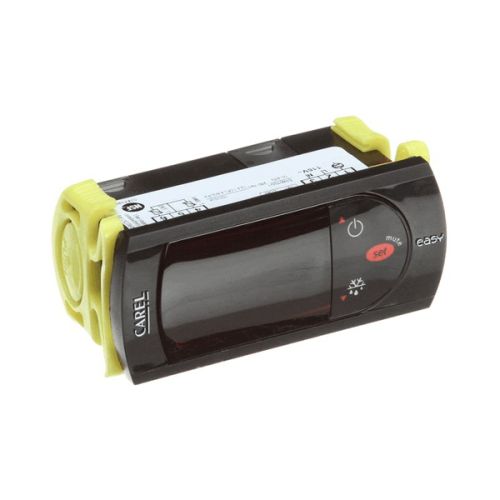
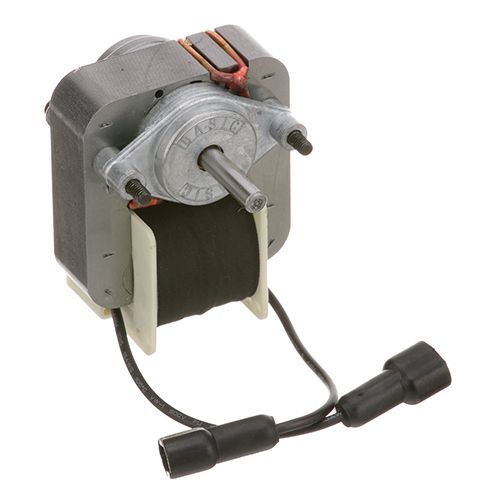
The failed component affects the repair decision. Replacing a door gasket, fan motor, thermostat, or temperature sensor may be practical, while major refrigeration-system failures require closer cost evaluation.
3. How Much Will the Repair Cost?
Compare the commercial refrigerator repair cost with the equipment’s age, condition, and expected service life. Include parts, labour, diagnostic charges, refrigerant service, and other related expenses.
4. How Much Have You Spent on Repairs Recently?
Review recent repair expenses and service frequency before deciding. Repeated breakdowns, recurring problems, and rising repair costs may indicate that continued repairs are becoming less economical.
5. Will the Repair Restore Reliable Temperature Control?
A repair may be worthwhile if it restores consistent cooling and reliable temperature control. Continued temperature fluctuations after repairs can indicate underlying problems requiring further diagnosis or replacement.
Keep your commercial refrigerator running efficiently with trusted restaurant equipment replacement parts from PartsFe. Find durable refrigerator components like door gaskets, fan motors, thermostats, temperature sensors, and control boards to restore cooling performance and reduce equipment downtime.
7 Signs You Should Consider Replacing a Commercial Refrigerator
Knowing when to replace a commercial refrigerator can prevent repeated repair expenses, unexpected downtime, and unreliable cooling. These seven signs indicate that replacement may be more practical than continued repairs.
1. Frequent Breakdowns
Frequent breakdowns can indicate declining equipment reliability. If your commercial refrigerator repeatedly requires repairs, the accumulated service costs and operational disruption may make replacement a more practical option.
2. Repeated Major Component Failures
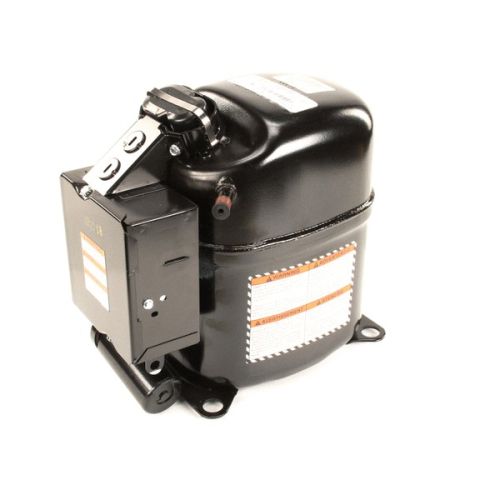
Repeated failures involving the compressor, evaporator, condenser, or control system can increase repair expenses. Multiple major component problems may indicate that the refrigerator is approaching the end of its useful service life.
3. Persistent Temperature Fluctuations
Persistent temperature fluctuations can indicate unresolved refrigeration problems. If repairs fail to restore consistent cooling, continued operation may become unreliable and replacement should be evaluated.
4. Severe Cabinet or Insulation Damage
Severe cabinet corrosion, cracked panels, damaged insulation, or warped doors can reduce refrigeration efficiency. When structural damage affects performance, replacing individual components may no longer provide a practical solution.
5. Increasing Energy Consumption
Increasing energy consumption can raise operating costs and indicate declining equipment efficiency. If an aging refrigerator requires longer run times to maintain temperature, compare its operating costs with replacement options.
6. Critical Parts Are Difficult to Source
When critical replacement parts become difficult to find, future repairs can take longer and increase downtime. Limited parts availability can make replacing an aging commercial refrigerator a more reliable option.
7. Repair and Downtime Costs Are Becoming Excessive
When repair expenses, emergency service, food loss, temporary refrigeration, and downtime continue increasing, calculate the total ownership cost. Replacement may provide better long-term value than repeated repairs.
Check out Turbo Air Refrigerator Troubleshooting: Here's How to Fix to identify common problems, troubleshoot issues, and know when replacing faulty parts may be necessary.
Commercial Refrigerator Repair vs Replacement: Factors to Compare
The right choice also depends on how the refrigerator fits your business financially and operationally. Compare the following factors to understand the broader impact of keeping the current unit versus investing in new equipment.
|
Factor |
Repair When |
Replace When |
|
Refrigerator age |
The unit is relatively new and has been reliable. |
An older unit is developing repeated problems. |
|
Repair cost |
Repair is <25% of the cost of comparable new equipment. |
Repair reaches ~50% or more of replacement cost. |
|
Breakdown frequency |
It is an isolated failure. |
Breakdowns are becoming frequent. |
|
Food-storage temperature |
The repair restores reliable temperature control. |
The refrigerator cannot consistently maintain the required temperature after repair. |
|
Parts availability |
Required parts are available and reasonably accessible. |
Essential parts are discontinued or difficult to source. |
|
Energy cost |
Current energy use remains reasonable for the business. |
High energy consumption continues to increase operating costs. |
|
Downtime |
Repair can restore operation within an acceptable timeframe. |
Repeated repairs are causing significant business disruption. |
|
Overall condition |
Major components and cabinet remain serviceable. |
Multiple major components or the cabinet require substantial work. |
For most businesses: Repair when the problem is specific, fixable and economical. Consider replacement when the refrigerator is costly to maintain, unreliable or unable to provide consistent cooling.
Explore Amana Refrigerator Parts Issues: Here's How to Fix Common Problems to identify common refrigerator issues, troubleshoot faulty components, and know when replacement parts may be needed.
How to Calculate the Real Cost of Repairing vs Replacing a Refrigerator
The real cost of commercial refrigerator repair is more than the technician's invoice. Compare the repair bill with recent repair expenses, expected future repairs, energy costs, downtime and the refrigerator's remaining service life.
A simple comparison can help businesses make a more informed decision.
Step 1: Calculate the Immediate Repair Cost
Start with the complete repair estimate:
Replacement Parts + Labor + Service Charges = Immediate Repair Cost
For example:
- Replacement parts: $500
- Labor: $300
- Diagnostic and service charges: $150
Total immediate repair cost: $950
This number alone should not determine the final decision.
Step 2: Add Recent Repair Expenses
Review previous repair costs.
If the refrigerator required:
- $700 in repairs last year
- $600 in repairs earlier this year
- $950 for the current repair
The total recent repair investment is already $2,250.
This can indicate that the equipment is becoming increasingly expensive to maintain.
Step 3: Estimate the Remaining Useful Life
Ask a qualified refrigeration professional how long the unit is realistically expected to operate reliably after the proposed repair.
A $1,000 repair that provides several additional years of dependable service may offer excellent value.
The same $1,000 repair may not be worthwhile if another major component is likely to fail within a few months.
Step 4: Compare Energy Costs
Calculate the estimated annual operating cost of your current refrigerator.
Then compare it with the projected energy cost of a newer replacement model.
Annual Energy Savings = Current Annual Energy Cost − New Annual Energy Cost
Over several years, these savings can significantly affect the overall replacement decision.
Step 5: Include the Cost of Downtime
Downtime should be treated as a real business expense.
Consider:
- Food loss
- Temporary refrigeration rental
- Emergency technician fees
- Lost productivity
- Lost sales
A refrigerator that fails unexpectedly during peak business periods may create costs far beyond the repair invoice.
Summary: Should You Repair or Replace Your Commercial Refrigerator?
The best choice depends on the condition and economics of your specific equipment.
Choose commercial refrigerator repair when:
- The refrigerator is relatively new
- The problem is isolated
- Repair costs are reasonable
- Replacement parts are available
- The unit has been reliable
- The repair is expected to provide long-term performance
Consider commercial refrigerator replacement when:
- Major repairs are becoming frequent
- The compressor or refrigeration system has serious problems
- Repair costs continue increasing
- Energy consumption is high
- Critical replacement parts are difficult to find
- Equipment downtime is affecting your business
- Food safety and temperature reliability are becoming concerns
The most effective approach is to avoid making the decision based solely on the current repair bill. Evaluate the refrigerator's age, repair history, energy efficiency, reliability, parts availability, and total cost of ownership.
FAQs
How long do commercial refrigerators typically last?
Commercial refrigerators can often provide many years of service when properly maintained, but actual refrigerator lifespan varies depending on the manufacturer, usage intensity, operating environment, maintenance history, and equipment condition. Follow the manufacturer's maintenance recommendations and monitor cooling performance to evaluate the unit's remaining service life.
How often should a commercial refrigerator be serviced?
Commercial refrigerator service requirements vary by equipment type, manufacturer recommendations, usage level, and operating conditions. Routine inspections and preventive maintenance should focus on components such as condenser coils, fans, door gaskets, temperature controls, and other refrigeration system parts based on the equipment's maintenance requirements.
What are the signs of a failing commercial refrigerator compressor?
Common signs include unusual noises, overheating, extended run times, frequent cycling, rising energy consumption, and difficulty maintaining the required temperature despite proper airflow and clean condenser coils.
Can a commercial refrigerator be repaired after a refrigerant leak?
Yes, many commercial refrigerator refrigerant leaks can be repaired, depending on the location and condition of the damaged component. Leak diagnosis, system repair, evacuation, testing, and refrigerant charging should be performed by a qualified refrigeration professional using procedures appropriate for the equipment and refrigerant type.
|
Disclaimer: This blog is for informational purposes only and provides general guidance on commercial refrigerator repair and replacement. Conditions may vary by model and usage. |