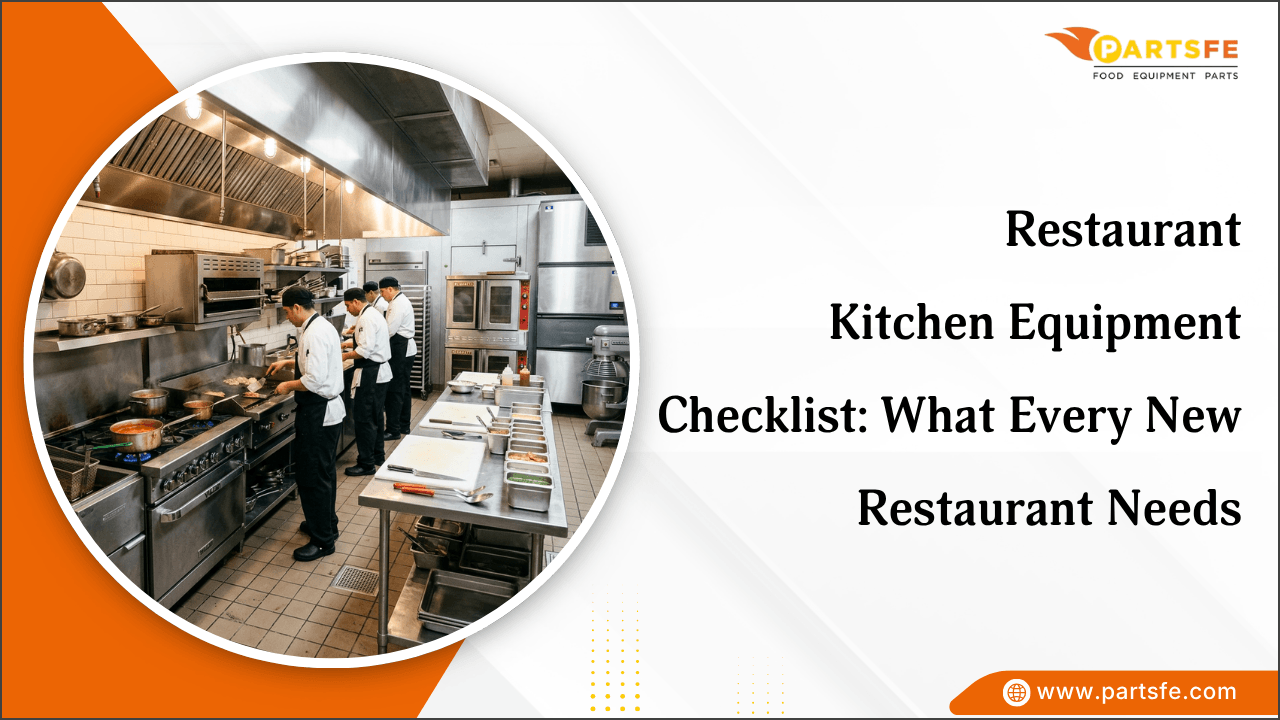
Restaurant Kitchen Equipment Checklist: What Every New Restaurant Needs
Are you having plans to start a new restaurant? Here is some information on what the requirements are to start a new restaurant. All you need is good knowledge about which equipment you need to work on. The right commercial kitchen equipment should be chosen as the commercial kitchen equipment is different from the house equipment which we buy. We only have limited equipment and limited space for the kitchen in a house whereas, in a restaurant, a special space is built up for the kitchen.
Setting up a new restaurant kitchen involves more than buying a commercial range and refrigerator. Each piece of equipment should support the menu, expected order volume, kitchen workflow, available space, and utility requirements. Missing even one essential category can create delays during food preparation or service.
A well-planned equipment list also helps new restaurant owners control startup costs. Instead of purchasing equipment based on general recommendations, it is better to identify what is required for cooking, refrigeration, preparation, cleaning, storage, and safety. It is equally important to plan for ongoing maintenance and commercial restaurant equipment parts, which can help keep essential equipment operating reliably over time.
This blog explains the essential restaurant kitchen equipment every new restaurant needs, along with practical tips for choosing equipment based on your menu and budget.
What Are the Essential Equipment Categories for a New Restaurant Kitchen?
A new restaurant kitchen needs equipment for every stage of food production, from receiving and storing ingredients to cooking, serving, and cleaning. Instead of purchasing appliances individually, organize the equipment list by function. This makes it easier to identify what the kitchen actually needs and avoid overlooking essential work areas.
The main restaurant kitchen equipment categories include:
|
Equipment Category |
Essential Equipment |
Primary Use |
|
Cooking Equipment |
Commercial ranges, ovens, fryers, grills, griddles |
Preparing and cooking menu items |
|
Refrigeration Equipment |
Reach-in refrigerators, freezers, walk-in units, prep tables |
Storing perishable ingredients at appropriate temperatures |
|
Food Preparation Equipment |
Mixers, slicers, food processors, prep tables |
Cutting, mixing, and preparing ingredients |
|
Food Holding Equipment |
Steam tables, warming cabinets, heat lamps |
Holding prepared food before service |
|
Storage Equipment |
Shelving, ingredient bins, food containers |
Organizing dry goods and kitchen supplies |
|
Warewashing Equipment |
Commercial dishwashers, sinks, pre-rinse units |
Cleaning dishes, cookware, and utensils |
|
Ventilation Equipment |
Exhaust hoods, fans, grease filters |
Managing heat, grease, smoke, and vapors |
|
Safety Equipment |
Fire suppression systems, extinguishers, thermometers |
Supporting fire prevention and food safety |
Not every restaurant needs the same equipment in every category.
Example: A small coffee shop may require espresso equipment, undercounter refrigeration, and a compact dishwasher, while a full-service restaurant may need multiple cooking stations, walk-in refrigeration, high-capacity warewashing equipment, and a commercial ventilation system.
The next step is to examine each category based on how your restaurant prepares and serves its menu.
Which Commercial Cooking Equipment Does Your Restaurant Menu Require?
Cooking equipment should be selected based on cooking methods, production volume, available gas or electrical connections, and peak service demand. Start with the menu and determine which equipment is needed to prepare each item efficiently.
1. Commercial Range: A commercial range is useful for kitchens that need several stovetop cooking functions in one area. Depending on the model, it may include open burners, a griddle, or an integrated oven.
Consider:
- Number of burners needed during peak service
- Gas or electric configuration
- Oven capacity
- Available kitchen space
- BTU output required for the cooking workload
Example: A small breakfast café may operate with a compact range, while a full-service restaurant with several sauté stations may need multiple ranges.
2. Commercial Oven: Choose the oven type according to your menu and cooking volume.
Common options include:
- Convection ovens for baking, roasting, and batch cooking
- Combination ovens for steam and convection cooking
- Deck ovens for pizza and artisan baking
- Conveyor ovens for high-volume pizza and sandwiches
- Commercial microwave ovens for rapid reheating and finishing
Consider the availability of commercial oven replacement parts when choosing a model, as easy access to replacement components can make future maintenance simpler.
Calculate how many batches you need during peak service before choosing oven capacity. An undersized oven can slow the entire cooking line.
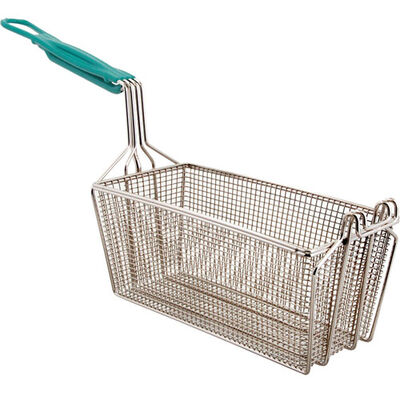
3. Commercial Fryer: If your menu includes French fries, fried chicken, seafood, or other fried foods, choose a fryer based on expected production volume.
Consider:
- Fry pot capacity
- Recovery rate
- Number of fry pots
- Oil filtration requirements
- Gas or electric operation
For high-volume operations, multiple fry pots can help separate different food types and reduce cooking delays.
3. Griddle and Charbroiler: A flat-top griddle is suitable for burgers, eggs, pancakes, and sandwiches. A charbroiler works well for steaks, grilled chicken, burgers, and other foods requiring direct radiant heat.
Choose the cooking surface size based on the number of portions you need to produce during peak service.
4. Food Holding Equipment: Restaurants that prepare food in batches may also need:
- Steam tables
- Heated holding cabinets
- Heat lamps
- Soup kettles
Select the holding capacity based on how much prepared food needs to remain ready for service.
What Refrigeration, Merchandising, Food Prep, and Storage Equipment Should You Include?
Refrigeration and storage equipment are essential parts of any restaurant kitchen. The right combination helps keep ingredients at the proper temperature, organizes inventory, supports food preparation, and makes frequently purchased products easier to access. When creating your restaurant kitchen equipment checklist, consider these essential categories:
1. Commercial Reach-In Refrigerators
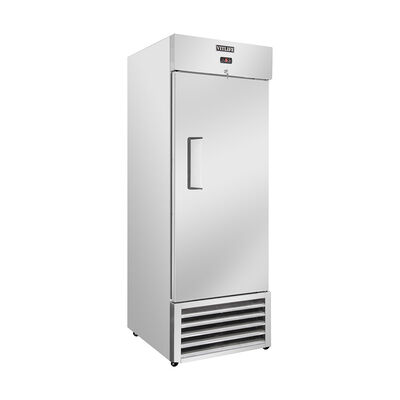
A commercial reach-in refrigerator should be one of the first items on your checklist. Restaurants use these units to store fresh produce, dairy, meat, sauces, prepared foods, and other temperature-sensitive ingredients.
Choose the refrigerator based on your menu, expected food volume, available kitchen space, and storage requirements. VITLIFE commercial reach-in refrigerators are available in different configurations, including glass- and solid-door models, giving restaurants options for both back-of-house storage and product visibility.
2. Commercial Reach-In Freezers
If your menu includes frozen ingredients, desserts, meat, seafood, or other frozen products, a commercial reach-in freezer provides dedicated storage without taking up valuable refrigerator space.
Look for sufficient capacity, durable construction, organized shelving, and a configuration that fits your kitchen layout. Planning freezer capacity around your expected inventory can also reduce overcrowding and make stock rotation easier.
3. Glass-Door Merchandiser Refrigerators
Restaurants with grab-and-go products, bottled beverages, packaged foods, or retail displays may benefit from a glass-door merchandiser refrigerator. Unlike a traditional back-of-house refrigerator, a merchandiser allows customers to see refrigerated products while keeping them at the required temperature.
VITLIFE commercial merchandiser refrigerators can fit naturally into customer-facing areas such as cafés, convenience-focused restaurants, delis, and other foodservice environments where refrigerated storage and product visibility are both important.
4. Refrigerated Sandwich and Prep Tables
A refrigerated prep table can make food preparation faster by keeping commonly used ingredients close to the workstation. These units are particularly useful for restaurants preparing sandwiches, salads, pizzas, wraps, bowls, and other made-to-order foods.
When selecting a prep table, consider the number of ingredient pans, available refrigerated storage, countertop space, and the amount of food your team prepares during peak service. VITLIFE refrigerated sandwich and mega-top prep tables provide options for incorporating cold ingredient storage directly into the preparation line.
5. Refrigerated Condiment Stations
For restaurants that use sauces, toppings, garnishes, and other refrigerated ingredients throughout service, a refrigerated condiment station can keep ingredients organized and within easy reach.
A VITLIFE refrigerated countertop condiment station can be particularly useful in fast-paced preparation and service areas where employees need quick access to frequently used ingredients without repeatedly walking to a larger refrigerator.
6. Shelving and Storage Equipment
Refrigeration equipment is only one part of an effective storage system. Commercial shelving, ingredient storage containers, racks, and organized dry-storage areas help keep inventory accessible and make stock rotation easier.
Before purchasing storage equipment, consider the size of your inventory, the ingredients used most frequently, and how employees move between storage and preparation areas.
Refrigeration, food preparation, and storage equipment keep ingredients organized and ready for service. Choose each item based on menu requirements, ingredient volume, prep workload, and available kitchen space.
Not sure which model is right for your kitchen? Check out How to choose the right VITLIFE commercial refrigerator for your restaurant for more detailed guidance on capacity, features, and configuration.
What Equipment Is Needed for Dishwashing, Cleaning, Ventilation, and Kitchen Safety?
A restaurant kitchen also needs equipment that keeps dishes clean, removes cooking byproducts, and supports safe daily operations. These systems should be planned alongside the cooking line so employees can move between preparation, cooking, washing, and storage without creating workflow bottlenecks.
Commercial Dishwashing Equipment: Choose dishwashing equipment according to the number of dishes, cookware, and utensils generated during peak service.
Common options include:
- Undercounter dishwashers for smaller restaurants with lower dish volume
- Door-type dishwashers for medium- to high-volume kitchens
- Conveyor dishwashers for large operations with continuous dishwashing demand
- Glass washers for restaurants and bars with frequent glassware use
- Three-compartment sinks for manual washing, rinsing, and sanitizing where required
- Pre-rinse spray units for removing food debris before washing
Example: A small café may manage with an undercounter dishwasher and three-compartment sink, while a busy full-service restaurant may need a door-type or conveyor dishwasher.
Select a dishwasher that can handle your peak service volume. Check out this commercial dishwasher guide for types, costs, installation, and maintenance.
Cleaning Equipment: Daily cleaning requires dedicated equipment for floors, surfaces, waste, and chemical storage.
Common items include:
- Mop sinks
- Commercial mops and buckets
- Floor squeegees
- Sanitizing containers
- Waste and recycling bins
- Cleaning carts
- Chemical storage cabinets
Keep cleaning chemicals separate from food, ingredients, and food-contact equipment.
Commercial Ventilation Equipment: Cooking equipment can produce grease, smoke, steam, and significant heat. Depending on the cooking appliances and local requirements, the kitchen may need:
- Commercial exhaust hoods
- Exhaust fans
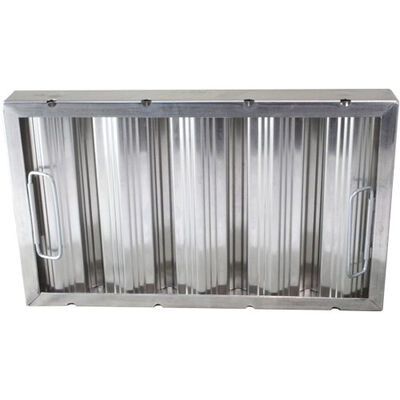
- Grease filters
- Make-up air systems
- Exhaust ductwork
- Fire suppression systems
Plan the ventilation system around the cooking equipment before installation. A fryer, charbroiler, or heavy-duty range can have different ventilation requirements from lighter cooking equipment.
Kitchen Safety Equipment: Safety equipment should be accessible without interfering with employee movement or emergency exits.
Important items include:
- Fire extinguishers
- Automatic fire suppression systems
- Food thermometers
- First-aid kits
- Non-slip floor mats
- Wet-floor signs
- Cut-resistant gloves
Example: A kitchen with multiple fryers and a charbroiler needs appropriate fire protection and ventilation planned for those heat- and grease-producing appliances rather than treating safety equipment as an afterthought.
How to Choose Restaurant Kitchen Equipment Based on Your Menu and Budget
Choosing restaurant kitchen equipment should start with your menu and expected workload, not with the equipment catalog. Identify what each dish requires, calculate peak-hour production, and then compare the purchase, installation, operating, and maintenance costs.
Map Each Menu Item to Equipment
For every menu item, identify the equipment needed for storage, preparation, cooking, holding, and assembly.
Example: A grilled chicken sandwich typically moves from the refrigerator to the prep table, then to the charbroiler, followed by the holding area and finally the assembly station.
Mapping each process helps identify essential equipment and prevents unnecessary purchases.
Calculate Peak-Hour Demand
Do not size equipment based only on average daily sales. Calculate what your kitchen must produce during its busiest service period.
Ask:
-
How many orders must be completed per hour?
-
How many portions can each appliance produce per batch?
-
How long does each cooking cycle take?
-
Which station could become a production bottleneck?
These figures help determine whether you need one or multiple fryers, ovens, griddles, or preparation stations.
Separate Essential and Specialty Equipment
Prioritize equipment required to produce your core menu from opening day.
Essential purchases may include:
- Primary cooking equipment
- Refrigeration
- Food preparation stations
- Warewashing equipment
- Required ventilation
- Safety systems
Specialty equipment that is not necessary for your opening menu can be purchased later when sales justify the additional expense.
Consider the Full Cost, Not Just the Purchase Price
Your equipment budget should include more than the listed purchase price. Account for:
- Delivery
- Installation
- Electrical work
- Gas connections
- Plumbing
- Drainage
- Ventilation
- Fire suppression
- Maintenance
A lower-priced unit may require costly utility or installation modifications, increasing its actual cost.
Compare Total Cost of Ownership
Do not compare equipment based only on upfront price. Consider energy consumption, maintenance frequency, repair costs, replacement parts, and expected service life.
For example, a higher-priced commercial refrigerator may make more financial sense if it consumes less energy, needs fewer repairs, and has readily available replacement parts.
Check Replacement Part Availability
Before purchasing commercial equipment, check whether commonly needed replacement parts are available. These may include:
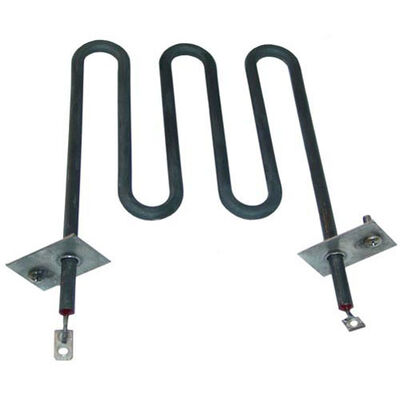
- Heating elements
- Thermostats
- Door gaskets
- Fan motors
- Water inlet valves
- Ignition components
- Switches
- Pumps
- Control boards
Easy access to replacement parts can simplify repairs and reduce downtime when a component fails.
Summary: How to Build a Complete Restaurant Kitchen Equipment Setup
A complete restaurant kitchen should be planned around the menu, expected food volume, available space, and daily workflow. Essential equipment typically includes commercial cooking appliances, refrigeration, food preparation and storage equipment, dishwashing systems, ventilation, and kitchen safety equipment.
Before buying, consider peak-hour demand, installation requirements, total cost of ownership, energy use, maintenance, and replacement-part availability. This helps you build a practical kitchen that supports daily operations without spending money on equipment your restaurant does not need.
Key Takeaways
- Match equipment to your menu and cooking methods.
- Size appliances for peak-hour production, not average sales.
- Include cooking, refrigeration, prep, storage, warewashing, ventilation, and safety equipment.
- Budget for installation, utilities, maintenance, and operating costs.
- Compare total cost of ownership, not just the purchase price.
- Check replacement-part availability before purchasing major equipment.
Order OEM restaurant equipment replacement parts from PartsFe for the best prices and with fast shipping. Find replacement components for commercial ovens, fryers, refrigerators, ice machines, dishwashers, and other kitchen equipment to support maintenance and keep essential equipment operating efficiently.
References:
https://www.energystar.gov/partner-resources/energy-star-training-center/commercial-food-service
https://www.energystar.gov/products/commercial_refrigerators_freezers
FAQs
What is the 30/30/30 rule for restaurants?
The 30/30/30 rule is not a universal restaurant standard. It may refer to different financial or operational guidelines, so confirm the specific rule's meaning before applying it to your restaurant.
How much does restaurant kitchen equipment cost?
Restaurant kitchen equipment can cost tens of thousands of dollars for a small operation and substantially more for larger kitchens. Costs depend on equipment type, capacity, installation, ventilation, utilities, and maintenance.
Should a new restaurant buy or lease kitchen equipment?
Buying provides ownership and may cost less long term, while leasing reduces upfront expenses. Compare purchase price, lease payments, maintenance responsibilities, expected equipment lifespan, and available startup capital before deciding.
What kitchen equipment should a small restaurant buy first?
Start with equipment required for your core menu, including cooking appliances, refrigeration, prep stations, warewashing equipment, ventilation, and safety systems. Add specialty equipment after production needs and sales increase.
|
Disclaimer: This blog is for informational purposes only and provides general guidance on restaurant kitchen equipment. Requirements, safety standards, and local codes may vary by location and restaurant type. |