With Energy Costs Up Over 25%, Are Dual Temperature Fryers the Smart Investment?
Rising energy costs are putting more pressure on commercial kitchens to control daily operating expenses. Since fryers run for extended hours and require constant heat to maintain cooking temperatures, they can contribute significantly to monthly utility bills.
Many restaurants are now looking for equipment that can reduce energy use while maintaining fast cooking times and consistent food quality. Dual temperature fryers offer a practical solution by allowing operators to manage cooking zones based on demand.
This blog explains how dual temperature fryers improve energy efficiency, reduce operating costs, and help commercial kitchens make a smarter equipment investment.
Why Rising Energy Costs Are Increasing Commercial Fryer Operating Expenses
Commercial fryers consume a significant amount of energy because they keep cooking oil at ~325°F to 375°F for long operating hours. As electricity and gas prices rise, maintaining these temperatures throughout the day increases utility costs, making frying one of the most expensive cooking processes in a commercial kitchen.
Several factors contribute to higher fryer operating expenses:
-
Continuous oil heating: Fryers use energy to maintain cooking temperatures, even when they are not actively cooking.
-
Heating unused fryer vats: Traditional fryers often keep all fry pots hot, regardless of demand.
-
Frequent heat recovery: Frozen food lowers the oil temperature, requiring extra energy to restore the set temperature.
-
Heat loss during operation: Heat escapes from the oil surface and fryer walls, causing more heating cycles.
-
Higher HVAC costs: Heat generated by fryers increases the cooling load inside the kitchen.
Reducing unnecessary energy use has become a priority for many restaurants. Investing in energy-efficient frying equipment can help lower operating costs while maintaining consistent cooking performance.
How Dual Temperature Fryers Improve Energy Efficiency and Cooking Performance
Unlike a standard fryer that heats one large oil reservoir, a dual temperature fryer uses two independently controlled fry pots, each with its own thermostat and heating system. This allows operators to heat only the cooking zone they need instead of keeping the entire fryer at operating temperature throughout the day.
Example: A café serving light afternoon traffic can operate a single 25-lb fry pot for appetizers while leaving the second fry pot off. During lunch or dinner rushes, both fry pots can be activated to increase output without waiting for additional equipment to preheat.
Independent Cooking Zones Reduce Energy Waste
Each fry pot maintains its own temperature, allowing different foods to cook under their ideal conditions.
-
French fries: Cooked at ~340–350°F for crisp texture and reduced oil absorption.
-
Breaded chicken: Fried at ~350–360°F for even browning and proper cooking.
-
Seafood: Prepared at ~325–340°F to protect delicate textures.
Separate temperature zones eliminate frequent thermostat adjustments, improving cooking consistency while reducing unnecessary energy use.
Faster Heat Recovery Maintains Cooking Quality
Adding frozen products causes oil temperatures to drop. High-efficiency burners or heating elements restore the target temperature quickly, preventing longer cook times, greasy food, and uneven browning during continuous operation.
Lower Idle Energy Consumption
Instead of heating both fry pots all day, operators can keep one section off until production increases.
This helps reduce:
-
Burner operating time
-
Electrical heating cycles
-
Standby energy consumption
This approach is especially beneficial for restaurants with predictable slow periods between meal services.
Better Oil Management
Cooking foods such as fish, chicken, and fries in separate fry pots minimizes flavor transfer and reduces food particle buildup in the oil. Cleaner oil requires less frequent filtration, lasts longer, and helps maintain consistent food quality.
By allowing kitchens to control energy use based on actual demand, dual temperature fryers reduce operating costs while improving cooking efficiency, oil management, and production flexibility.
Key Benefits of Investing in a Dual Temperature Commercial Fryer
A dual temperature commercial fryer helps restaurants improve daily operations by providing better control over cooking capacity, menu preparation, and equipment usage. It supports faster service, consistent food quality, and better resource management.
The table below highlights the main benefits of dual temperature fryers and their impact on commercial kitchen performance.
|
Feature |
Operational Benefit |
Business Impact |
|
Independent cooking zones |
Cook different menu items at separate temperatures |
Improves kitchen flexibility and productivity |
|
Separate temperature controls |
Maintains ideal frying conditions for each food type |
Delivers consistent food quality |
|
Reduced idle operation |
Allows unused fry pots to remain off during slow periods |
Helps lower energy costs |
|
Separate oil zones |
Reduces flavor transfer and food particle buildup |
Extends oil life and reduces replacement costs |
|
Simultaneous cooking capacity |
Prepares multiple products at the same time |
Speeds up order preparation during peak hours |
|
Efficient fryer operation |
Optimizes heat usage and cooking performance |
Supports long-term cost savings |
A dual temperature fryer gives commercial kitchens more control over production, energy use, and operating expenses, making it a practical upgrade for high-demand frying operations.
Choosing the Right Dual Temperature Fryer for Your Commercial Kitchen
Choosing the right dual temperature fryer depends on your kitchen’s menu, production volume, available space, and operating needs. The ideal fryer should provide enough capacity while maintaining energy efficiency and consistent cooking performance.
Match Fryer Capacity to Your Cooking Volume
Select a fryer size based on your peak-hour demand.
-
20–30 lb capacity: Suitable for cafés and small restaurants.
-
35–50 lb capacity: Ideal for medium-volume kitchens.
-
70 lb or higher capacity: Best for high-volume frying operations.
The correct capacity helps prevent production delays and avoids unnecessary energy use.
Choose Accurate Temperature Controls
Look for digital controls and precise thermostats that maintain stable oil temperatures. This improves cooking consistency and reduces unnecessary heating cycles.
Evaluate Fuel Type and Installation Requirements
Select a fryer that matches your kitchen setup.
-
Gas fryers: Provide strong heat output and faster recovery for busy kitchens.
-
Electric fryers: Offer precise temperature control and easier installation where gas is unavailable.
Look for High-Efficiency Features
Choose models with features that reduce energy waste and improve performance.
-
High-efficiency burners or heating elements: Lower energy use while maintaining heat.
-
Digital temperature controls: Maintain accurate cooking temperatures.
-
Automatic idle mode: Reduces energy use during slow periods.
-
Insulated fry pots: Minimize heat loss.
-
Rapid heat recovery: Restores temperature quickly after loading food.
Prioritize Ease of Cleaning and Maintenance
Choose models with accessible drain valves, removable parts, and easy-to-clean surfaces. These features simplify daily cleaning and reduce maintenance time.
Check Parts Availability and Service Support
Select the model with readily available fryer replacement parts and service support to minimize downtime during repairs.
By considering capacity, controls, efficiency features, and maintenance needs, restaurants can choose a dual temperature fryer that fits their daily operations.
Summary: Making the Right Investment in a Dual Temperature Fryer
As energy costs continue to rise, choosing equipment that improves efficiency has become an important decision for commercial kitchens. A dual temperature fryer helps reduce unnecessary energy use while providing better control over cooking temperatures, production capacity, and oil management.
When selecting a fryer, consider factors such as capacity, fuel type, temperature controls, energy-efficient features, and maintenance requirements. Choosing a model that matches your kitchen's daily workload can improve productivity, support consistent food quality, and deliver better long-term value.
Key Takeaways
-
Dual temperature fryers help reduce energy consumption by heating only the cooking zones in use.
-
Independent temperature controls improve cooking consistency for different menu items.
-
Choosing the correct fryer capacity prevents unnecessary energy use and production delays.
-
Features like digital controls, insulated fry pots, and rapid heat recovery improve overall efficiency.
-
Easy maintenance and readily available replacement parts help minimize downtime and support long-term performance.
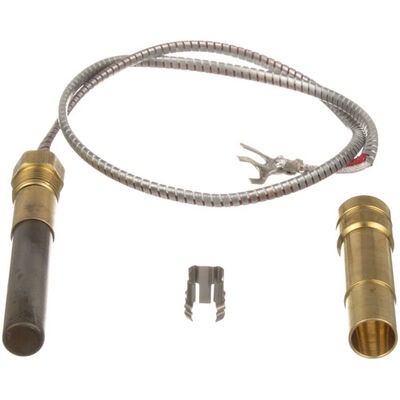
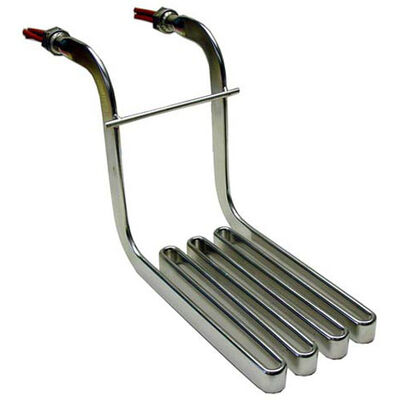
Shop high-quality commercial kitchen equipment parts at PartsFe to keep your frying operations running efficiently. Find durable replacement parts for commercial fryers, including thermostats, heating components, valves, and other essential fryer parts designed to support reliable performance and reduce downtime.
References:
https://www.energy.gov/cmei/femp/purchasing-energy-efficient-commercial-fryers
https://www.energystar.gov/products/commercial_fryers
FAQs
How does a dual temperature fryer improve food quality?
Independent temperature controls allow each fry pot to maintain the ideal cooking temperature for specific foods, helping produce consistent texture, color, and crispness while reducing excessive oil absorption.
Are dual temperature fryers suitable for small restaurants?
Yes. Many dual temperature fryers are available in compact sizes, making them a good choice for cafés, food trucks, and small restaurants that want flexible cooking options without installing multiple fryers.
How often should a dual temperature fryer be cleaned and maintained?
Daily cleaning, regular oil filtration, and routine inspection of burners, heating elements, thermostats, and drain valves help maintain efficient operation and extend the fryer's service life.
|
Disclaimer: This guide is for general informational purposes only and provides general guidance on dual temperature commercial fryers. Features and specifications may vary by model. |