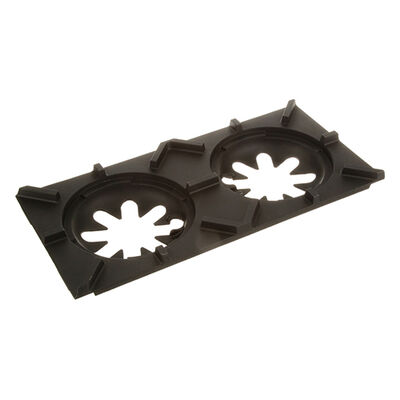
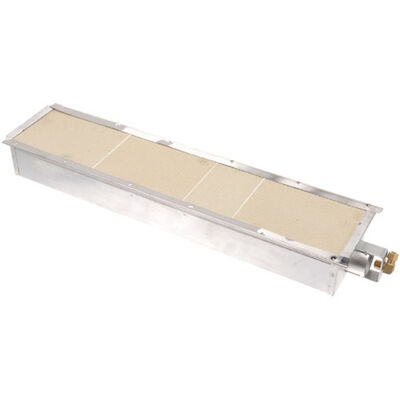
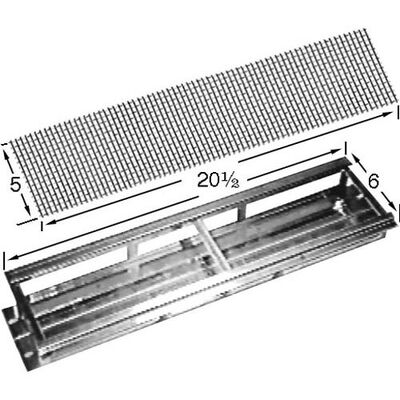
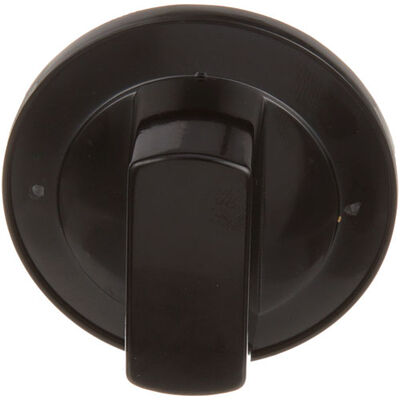
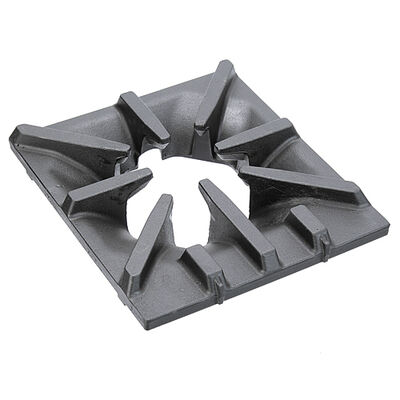
How to Clean Garland Stove Burners, Grates & Drip Trays Like a Pro
Garland stove burners, grates, and drip trays can affect cooking performance when grease and residue build up over time. This buildup can restrict heat flow, cause uneven flames, and reduce overall efficiency during regular use. If not cleaned properly, it may also lead to odors and safety concerns in the kitchen environment. Regular cleaning helps maintain proper function and keeps the stove operating as intended.
By following a consistent cleaning routine, buildup can be controlled and component wear can be reduced over time. This helps maintain steady performance, supports longer equipment life, and ensures a clean and safe cooking environment.
This blog explains a simple and effective way to clean essential Garland stove parts while avoiding common mistakes.
Why Regular Cleaning of Garland Stove Parts Matters
Regular cleaning of Garland stove parts is important for maintaining consistent performance, safety, and efficiency in the kitchen. Grease, spills, and food residue on burners, grates, and drip trays can restrict heat flow and affect overall stove operation. Keeping these components clean supports smooth functioning and ensures reliable cooking results.
Here are the key reasons why regular cleaning is essential:
-
Better Heat Control: Clean burners and grates allow proper heat flow, helping achieve even cooking and precise temperature control
-
Reduced Grease Buildup: Regular cleaning prevents grease from hardening, making maintenance easier and avoiding heavy residue accumulation
-
Improved Safety: Removing grease and debris reduces the risk of flare-ups, smoke, and potential fire hazards in the kitchen
-
Efficient Operation: Clear burner ports and clean components help maintain steady flames and optimal stove performance
-
Longer Component Life: Regular maintenance reduces wear, prevents damage, and extends the lifespan of stove parts
-
Cleaner Cooking Environment: Clean surfaces help maintain hygiene, reduce odors, and create a more professional kitchen space
-
Consistent Cooking Results: Properly maintained parts ensure steady heat output and reliable results for every use
Regular cleaning helps your Garland stove perform efficiently every day. A simple routine supports reliable operation and keeps your kitchen clean, safe, and well-maintained.
Essential Tools & Supplies to Clean Garland Stove Parts
Having the right tools makes cleaning Garland stove parts easier and more effective. Simple cleaning essentials help remove grease, loosen buildup, and protect components from damage.
Here is a quick overview of the essential tools and their uses:
|
Tool / Supply |
Purpose |
|
Mild Dish Soap or Degreaser |
Breaks down grease and oil buildup effectively |
|
Warm Water |
Loosens stuck on food and grime during soaking |
|
Baking Soda |
Removes tough stains and burnt residue |
|
White Vinegar |
Cuts grease and helps eliminate odors |
|
Soft Brush or Cleaning Sponge |
Gently scrubs surfaces without causing scratches |
|
Non Abrasive Scouring Pad |
Cleans stubborn spots safely without damage |
|
Detail Cleaning Brush |
Reaches tight areas like burner ports and edges |
|
Microfiber Cloth or Towel |
Wipes and dries components thoroughly |
|
Sink or Soaking Container |
Used for soaking burners, grates, and drip trays |
Using these essential tools ensures a safe and efficient cleaning process without damaging your stove parts. With the right supplies, regular maintenance becomes quicker more effective and easier to manage.
Step-by-Step Process to Clean Garland Stove Burners, Grates & Drip Trays
Cleaning the Garland stove grates, burners, and drip trays properly ensures better performance, safety, and long-lasting use. Following a detailed step-by-step process helps remove grease and buildup effectively without damaging the components.
Step 1: Turn Off and Cool Down
Switch off the stove completely and allow it to cool before handling any parts. In commercial kitchens, this may take 30–60 minutes depending on usage. Ensure all surfaces are safe to touch before starting.
Step 2: Remove Components
Carefully remove burners, grates, and drip trays. Handle them gently to avoid damage and place them in a sink or soaking container.
Step 3: Apply Cleaner and Soak
Submerge all components in hot water mixed with a degreaser or dishwashing solution.
-
Light to moderate buildup: 20–30 minutes
-
Heavy grease buildup: 30–45 minutes
Pro tip: Apply baking soda or degreaser paste on stubborn areas for 5–10 minutes before soaking.
Step 4: Scrub Thoroughly
Use a sponge for flat surfaces and a brush for detailed areas like burner ports.
-
Standard cleaning: 10–15 minutes
-
Heavy buildup: Reapply cleaner and scrub again
Pro tip: Clean burner ports gently to maintain proper gas flow and even flames.
Step 5: Rinse and Dry
Rinse thoroughly with clean water and dry using a cloth. Allow 10–15 minutes for air drying.
Pro tip: Ensure parts are fully dry before reassembly to prevent performance issues.
Step 6: Clean the Stove Surface
Apply a degreaser to the stove surface, focusing on greasy areas. Let it sit briefly, then wipe clean.
Step 7: Reassemble Properly
Once all parts are dry, reassemble burners, grates, and drip trays correctly for safe operation.
Following these steps regularly keeps your stove clean, efficient, and safe. It also helps prevent long-term damage and ensures consistent cooking performance.
Explore common Garland stove parts failures, their causes, symptoms, and quick fixes to identify issues early and keep your equipment running smoothly.
Common Cleaning Mistakes to Avoid with Garland Stove Components
Cleaning Garland stove burners, grates, and drip trays is essential, but using incorrect methods can affect performance and safety. Avoiding common mistakes helps protect components and ensures efficient operation.
Here are some common mistakes to avoid:
-
Using harsh abrasives: Can scratch surfaces, remove protective coatings, and cause long-term damage to components
-
Skipping regular cleaning: Leads to heavy grease buildup, making cleaning harder and reducing overall stove efficiency
-
Not drying parts completely: Moisture left behind can affect ignition, gas flow, and overall burner performance
-
Clogging burner ports: Debris can block gas flow, resulting in uneven flames and inconsistent heat output
-
Using excessive water on burners: Too much water can seep into parts and affect proper functioning
-
Reassembling while damp: Can lead to rust formation and reduce the efficiency of stove components
-
Ignoring manufacturer guidelines: Using incorrect methods may damage parts and affect safe operation
By avoiding these common mistakes, Garland commercial stove parts can be cleaned safely and effectively. Proper cleaning practices not only protect the components but also help maintain consistent performance and extend the life of your equipment.
Summary: Keep Your Garland Stove Performing Like New with Pro-Level Cleaning
Keeping your Garland stove clean is essential for maintaining consistent performance, safety, and efficiency in your kitchen. Regular cleaning of burners, grates, and drip trays helps prevent grease buildup, ensures even heat distribution, and reduces the risk of fire hazards or equipment issues.
By following proper cleaning steps and avoiding common mistakes, you can extend the lifespan of your stove components and minimize costly repairs. A simple, consistent cleaning routine keeps your Garland stove running smoothly and helps maintain a clean, professional cooking environment every day
Key Takeaways
-
Regular cleaning improves stove performance and ensures even heat distribution
-
Removing grease buildup helps prevent fire risks and safety issues
-
Using the right tools protects burners, grates, and drip trays from damage
-
Following proper cleaning steps ensures effective and safe maintenance
-
Avoiding common mistakes helps prevent long-term component issues
-
Drying and reassembling parts correctly is essential for proper functioning
-
Consistent maintenance extends the lifespan of your Garland stove
Staying consistent with cleaning not only keeps your stove efficient but also reduces repair costs and supports a safer, more reliable kitchen environment.
Shop high-quality restaurant equipment parts at PartsFe to keep your Garland stove running efficiently. Find essential components like infrared burners, hot top knobs, top grates, griddle thermostat knobs, and more for reliable performance, easy maintenance, and long-lasting kitchen efficiency.
FAQs
How often should Garland stove burners, grates, and drip trays be cleaned?
For best performance, clean them lightly after daily use and do a deep cleaning at least once a week. In high-usage commercial kitchens, more frequent cleaning may be needed to prevent heavy grease buildup.
What is the best cleaner for removing grease from the Garland stove components?
A mild dish soap or kitchen degreaser works well for regular cleaning. For stubborn grease and burnt residue, a baking soda paste or a vinegar solution is effective and safe for most components.
Can I clean Garland stove burners without removing them?
Yes, you can do light surface cleaning without removing them, but for thorough cleaning and proper maintenance, it’s recommended to remove the burners to access hidden grease and debris.
Why are my Garland burners not producing an even flame after cleaning?
This usually happens if burner ports are clogged or if parts were not dried properly before reassembly. Ensure all holes are clear and components are completely dry before using the stove again.
How do I remove stubborn carbon buildup from stove grates and drip trays?
Soak the parts in warm soapy water, then apply a baking soda paste and let it sit for 15–20 minutes. Scrub gently with a non-abrasive pad, and repeat if needed for heavy buildup.
|
Disclaimer: This blog is for informational purposes only and provides general guidance on cleaning Garland stove components. Results may vary based on usage and condition, and proper care should be taken while handling and cleaning equipment. |