Common Garland Stove Parts Failures: Causes, Symptoms & Quick Fixes
In commercial kitchens, Garland stoves are trusted for their long-lasting performance and high efficiency. However, frequent use can cause certain parts to fail, impacting cooking efficiency and overall safety. Being aware of these issues helps kitchen staff maintain smooth operations and avoid unexpected downtime.
Common problems include spark igniters that fail to fire and burners that heat unevenly. Spotting these symptoms early allows for quick troubleshooting and straightforward repairs, keeping the stove reliable and ensuring chefs can focus on preparing meals efficiently and consistently.
Why Garland Stove Parts Failures Affect Kitchen Performance
Even minor Garland stove part failures can ripple through a kitchen, disrupting workflow in ways that aren’t always obvious. Beyond simple downtime, these issues can subtly degrade efficiency, safety, and food quality.
Key Ways Garland Stove Failures Disrupt Kitchen Efficiency:
-
Delayed Prep Cycles: A slightly misaligned burner or slow-heating oven can throw off prep timing, forcing staff to wait or adjust recipes.
-
Temperature Inconsistencies Across Pans: Worn burners may create hot spots, making simultaneous cooking on multiple pans unreliable.
-
Overcompensation by Staff: Chefs may overcook or constantly adjust dishes to compensate for faulty parts, increasing stress and mistakes.
-
Strain on Other Equipment: Malfunctioning stoves can force microwaves, fryers, or countertop ovens into extra duty, accelerating wear elsewhere.
-
Hidden Gas Pressure Fluctuations: Partial gas valve failures may produce inconsistent flame strength, subtly altering flavor or browning without obvious signs.
-
Increased Cleaning and Maintenance Load: Spills from uneven cooking or flare-ups create more frequent cleaning needs, reducing kitchen efficiency.
-
Impact on Inventory Management: Food waste rises when dishes are overcooked or unevenly prepared, increasing costs and forcing inventory adjustments.
Garland stove parts to repair burners and igniters help prevent unexpected downtime, keeping your kitchen running efficiently and food quality consistent.
Most Common Garland Stove Parts That Fail
Garland commercial stove parts are designed to last, but some components are more prone to failure with heavy use. Being aware of these common issues helps keep kitchens running efficiently and safely
Key Garland Stove Components Prone to Failure:
-
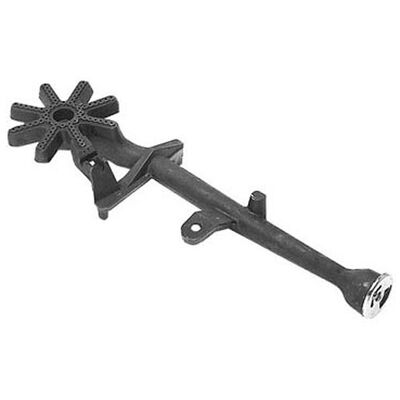
Garland Stove Burners: Over time, burners can clog with food debris or rust, causing uneven flames and inconsistent cooking.
-
Garland Stove Igniter: Spark or electric igniters may fail, making it difficult to light burners and slowing down kitchen operations.
-
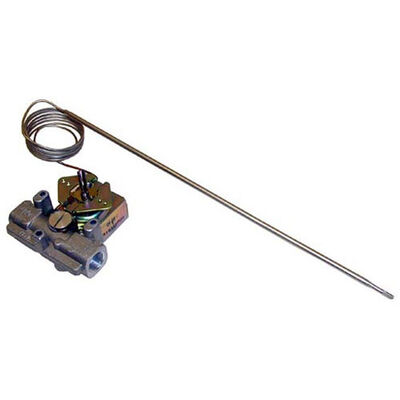
Thermostats: Faulty thermostats can lead to inaccurate temperature control, affecting cooking times and food quality.
-
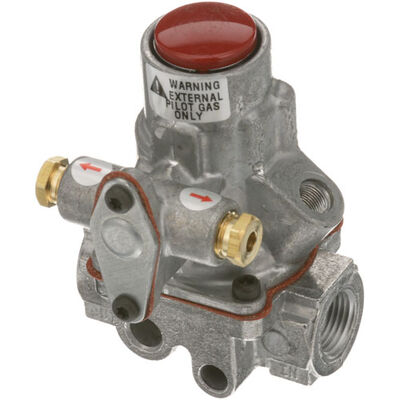
Gas Valves: Worn or partially blocked gas valves may create low flame output or inconsistent heating.
-
Oven Elements: In electric Garland stoves, oven heating elements can burn out, causing slow preheating or uneven baking.
-
Stove Control Knobs & Switches: Frequent use may loosen or damage knobs and switches, leading to difficulty adjusting heat accurately.
-
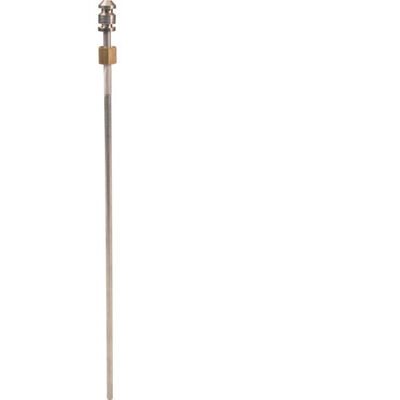
Stove Thermocouples: A failing thermocouple can prevent the burner from staying lit, reducing stove reliability.
-
Garland Gas Stove Burner Grate: Worn or warped grates can affect the stability of cookware, create hotspots, and impact cooking performance.
Regular inspection and timely replacement of these components can prevent disruptions and keep Garland stoves performing at their best in high-demand kitchens.
Tired of dealing with stove issues and parts that don’t last? Explore PartsFe, your trusted supplier of high-quality kitchen equipment spare parts for commercial restaurants at unbeatable prices. We stock burners, igniters, thermocouples, control knobs, gas valves, and more from top brands like Garland, Vulcan, Blodgett, and Jade, with fast shipping straight to your kitchen.
Causes and Symptoms of Garland Stove Parts Failures
Understanding the real-world causes behind stove part failures especially those that develop gradually, helps kitchen teams spot issues before they escalate into full breakdowns. Below are some less obvious causes paired with the symptoms they typically produce.
|
Parts/Issues |
Cause |
Symptoms You’ll See |
|
Burner Air Shutter Misadjustment |
Incorrect air shutter setting after cleaning or installation |
Flames lift off ports, flicker, blow back toward injector, flame noises |
|
Blocked Burner Ports |
Food debris or grease blocking ports |
Delayed ignition, weak or irregular flames, gas burner won’t light |
|
Pilot Orifice Clogging |
Carbon/grease buildup at pilot orifice |
Garland Stove Pilot Light won’t light or lit pilot is too small/weak |
|
Pilot Flame Too Small |
Dirt, incorrect adjustment, or incorrect gas pressure |
Delayed ignition, flame fails to register, burners slow to ignite, inaccurate temperature reading |
|
Ignition Module / Wiring Issues |
Loose hi‑tension wires or defective spark module |
No spark at pilot or range ignition fails, stove clicking sound |
|
Thermocouple Fault/Damaged |
Thermocouple not sensing flame or bad connection |
Pilot lights but goes out soon after release |
|
Flame Safety Device Failure |
Faulty safety sensor in flame failure system |
Pilot extinguishes frequently or doesn’t keep main burner engaged |
|
Incorrect Gas Pressure / Regulator Setting |
Improper regulator adjustment or supply fluctuation |
Weak flame, irregular heat, burners not performing as expected |
Learn what a pilot light is in commercial kitchen equipment and how it safely ignites burners for consistent performance.
Quick Fixes for Common Garland Stove Part Problems
Even minor issues with Garland stove components can disrupt kitchen operations, but many problems can be quickly addressed if identified early. Below are practical fixes for common failures, focused on safety and efficiency.
-
Burner Air Shutter Misadjustment: Adjust the air shutter to restore the proper air-to-gas ratio. Remove grease buildup and ensure the flame burns evenly. Use a soft brush, and never force the shutter while the gas is on.
-
Blocked Burner Ports: Remove the burner heads and soak them in warm, soapy water. Clear blocked ports carefully with a soft brush or needle. Make sure the burner is completely dry before reinstalling.
-
Pilot Orifice Clogging: Clean the pilot orifice using compressed air or a fine wire. Replace the orifice if heavily clogged. Always clean with the gas supply turned off.
-
Small Pilot Flame: Clean the pilot tube and verify gas pressure. Adjust the regulator if necessary, but have a certified technician handle pressure adjustments.
-
Ignition Module or Wiring Issues: Inspect wiring connections and tighten any loose wires. Replace the stove spark module if faulty, ensuring power is disconnected before touching any electrical components.
-
Thermocouple Faults: Clean the thermocouple tip and check that connections are secure. Replace with an OEM Garland thermocouple if it fails to sense the flame.
-
Flame Safety Device Failure: Test the flame sensor, clean debris, and replace faulty sensors. Never bypass safety devices.
-
Incorrect Gas Pressure or Regulator Settings: Have certified personnel verify the regulator and gas supply. Adjust to correct settings and monitor flame behavior closely after any changes.
Safety Note: Garland stoves involve high-voltage ignition systems and gas supply lines. Always turn off the gas and power before inspecting or repairing any components. Attempting repairs without proper knowledge can lead to fire, gas leaks, or electrical shock. Repairs should be performed by trained kitchen staff or certified technicians.
Preventing Garland Stove Parts Failures with Proper Maintenance
Preventing Garland stove parts failures isn’t just about routine cleaning; it's about understanding how subtle stresses like thermal cycling, airflow imbalance, and component wear accumulate over time. When maintenance focuses on predictive care rather than reactionary fixes, kitchens spend less time troubleshooting and more time cooking. A proactive, systems-aware approach keeps performance consistent, reduces unexpected breakdowns, and extends the usable life of every stove component.
Key Takeaways:
-
Track performance trends over time (e.g., slight flame distortion or delay) rather than waiting for full failure.
-
Balance burner airflow periodically after deep cleans using manufacturer‑recommended shutters, not guesses.
-
Verify sensor and control board responses under load, not just at idle, to detect early drift.
-
Schedule micro‑inspections after heavy service periods (e.g., banquet nights) to catch tiny wear before it escalates.
-
Document minor adjustments and outcomes, building a maintenance history that predicts failures before they occur.
-
Cross‑train staff recognize subtle signs like micro‑pulsing flames, delayed ignition response, or irregular pilot behavior as early indicators that standard checks miss.
FAQs
How should I clean my Garland gas stove?
To keep your stove working efficiently, remove burners, grates, and drip pans and wash them with warm, soapy water and a soft brush. Avoid using metal tools or abrasive cleaners that could damage burner ports or internal components.
Why does my Garland gas stove pilot keep going out?
A pilot flame may extinguish due to blockages in the pilot tube, misalignment, insufficient gas pressure, or a worn thermocouple. Inspect connections, clean any buildup, and ensure proper positioning of the pilot assembly.
Why does my Garland stove click continuously but won’t ignite?
Persistent clicking usually signals a problem with the spark ignition system, such as loose wiring, moisture affecting the spark module, or a faulty electrode. Always disconnect power before examining electrical components to stay safe.
|
Disclaimer: This article is for informational purposes only. Readers should consult certified Garland stove technicians for any diagnosis, repair, or service to ensure safety and proper functionality. Always follow manufacturer guidelines and safety protocols when handling or maintaining your stove. |