From Kitchen to Cloud: How Drones are Redefining Food Delivery in the USA
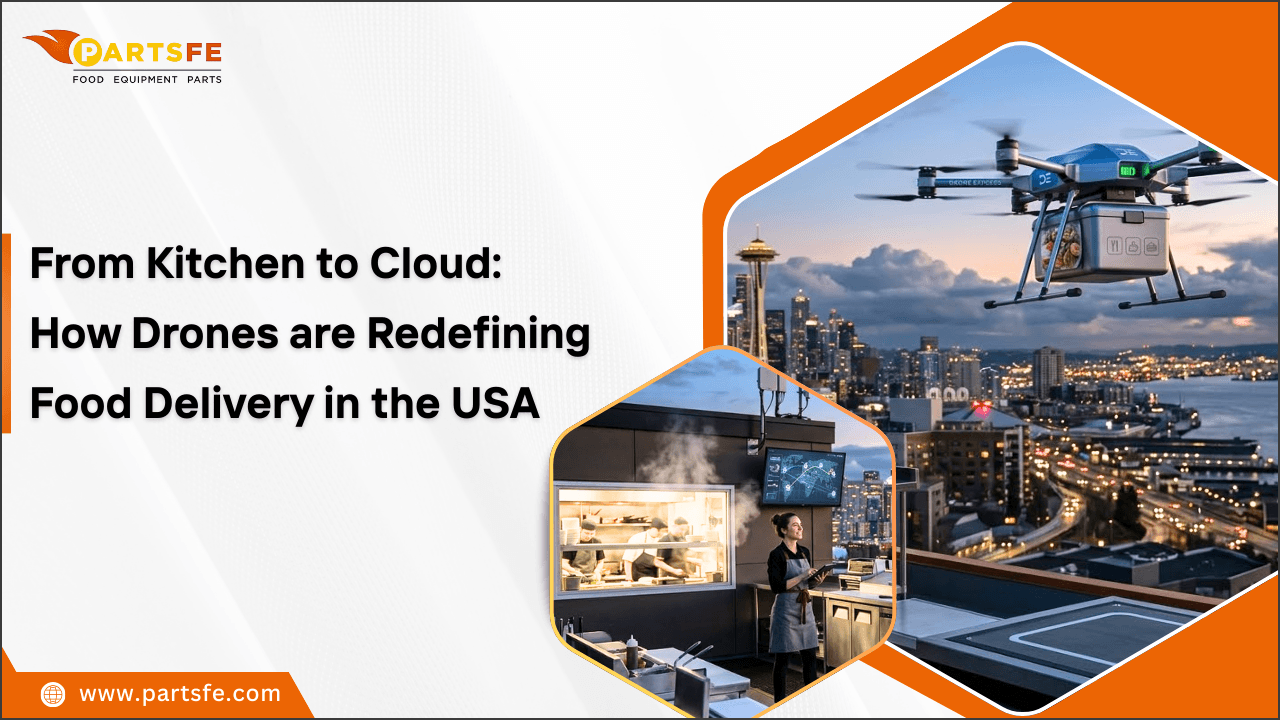
The way Americans receive their meals is undergoing a dramatic transformation. What once relied solely on human couriers navigating traffic has evolved with the advent of drone technology. From bustling city streets to suburban neighborhoods, drones are enabling faster, contactless, and more efficient food delivery, reshaping the logistics of the culinary world.
This shift isn’t just about speed; it’s redefining convenience and sustainability. By bypassing traditional road networks, drones reduce delivery times, cut emissions, and open new possibilities for restaurants and food startups. In the USA, this technological leap is turning the dream of instant meals from kitchen to doorstep into a reality.
How High-Tech Drones Are Bringing Delivery Perks to Your Doorstep
Forget everything you know about takeout. Drone delivery isn’t just about speed—it’s transforming how food travels, how chefs experiment, and how diners experience every bite. These high-flying couriers are opening doors to possibilities that restaurants and home kitchens never imagined.
Why Drone Delivery Feels Revolutionary:
-
Flavor Fidelity Zone: By flying above traffic and heat-trapped streets, drones preserve delicate textures and temperatures, keeping dishes tasting as the chef intended.
-
Culinary Pop-Ups in the Sky: Some restaurants now offer aerial-exclusive dishes limited-edition creations only delivered by drone, adding surprise and exclusivity.
-
Neighborhood Buzz: Drones enable “hover hubs,” sending meals to block parties, park picnics, or small gatherings that traditional delivery can’t easily reach.
-
Kitchen Flow Relief: Peak hours are less chaotic, as drones handle part of the delivery load, allowing chefs to focus on cooking and creativity.
-
Sensory Storytelling: Augmented reality tracking can display fun animations or ingredient origins as your meal arrives, turning dinner into an interactive event.
-
Weather-Adaptive Routes: Drones adjust flight paths for sun, wind, or micro-storms, keeping delicate dishes like soufflés, artisan breads, and pastries safe.
This isn’t just delivery, it’s an elevated culinary experience where innovation meets your doorstep.
The Technology Behind Drone Food Delivery: How It Works
Imagine your favorite meal lifting off from a restaurant rooftop and gliding straight to your doorstep, no traffic jams, no delays. This is the magic of drone food delivery, where cutting-edge tech meets convenience in the most literal sense.
Key Features of Modern Delivery Drones:
-
Autonomous Navigation: GPS, real-time mapping, and obstacle-avoidance sensors allow drones to weave through urban landscapes safely and efficiently.
-
Lightweight Yet Strong: Designed to carry 3–5 pounds, drones balance stability, speed, and durability without compromising the food.
-
Temperature-Controlled Compartments: Insulated boxes maintain ideal hot or cold temperatures, ensuring freshness from kitchen to doorstep.
-
Flying Secure: Emergency landing protocols, geofencing, and collision-avoidance technology make drones more cautious than a human driver.
-
Seamless System Integration: Drones sync with restaurant apps, automating dispatch and optimizing delivery schedules.
-
Efficient Battery Life: Lightweight batteries support multiple deliveries before needing a recharge, maximizing operational efficiency.
This blend of intelligent design and real-time tech turns drone delivery into a futuristic, reliable, and high-tech solution without sacrificing quality.
Real-Time Drone Deliveries: U.S. Pilots Making Meals Fly
From rooftops to backyards, the skies above America are buzzing with drones carrying everything from burritos to grocery bags. Across the country, companies are testing innovative drone delivery programs that are turning meal delivery into a high-tech spectacle you can watch in real time.
Leading Drone Delivery Initiatives in Action:
-
DoorDash & Alphabet’s Wing: In cities like Charlotte, North Carolina, drones zip along at speeds up to 65 mph, lowering meals to customers via tethered systems. Every launch is a mini-event, with orders appearing almost magically from the sky.
-
Uber Eats & Flytrex: Suburban neighborhoods in Texas and North Carolina are witnessing Uber Eats drones navigating streets and parks, delivering meals efficiently while giving residents a glimpse of futuristic dining in motion.
-
Chipotle & Zipline: In Texas, burritos and bowls are taking flight with Zipline drones. Insulated compartments and tether systems ensure the food arrives perfectly intact, combining tech precision with culinary care.
-
Walmart’s Drone Expansion: Across several metropolitan regions, Walmart is testing rapid-response delivery with Wing and Flytrex, sending groceries and meals to doorsteps in minutes—turning ordinary neighborhoods into hubs of aerial logistics.
These live pilots show how customers respond, how drones handle real-world conditions, and how restaurants can rethink delivery. Watching a drone land at your doorstep isn’t just convenient; it's the future of food in action.
Explore how food delivery robotics are transforming modern restaurants with faster, smarter, and seamless service from kitchen to table.
Rules, Risks, and Regulations: The Roadblocks to Drone Delivery
Drone delivery doesn’t operate in a vacuum. Sharing airspace with manned aviation and flying over populated areas, drones are subject to rigorous regulation by the United States Federal Aviation Administration (FAA). The FAA’s rules and certifications directly shape what operators can do, where they can fly, and how they must ensure public safety.
FAA Certification and Rules:
-
Part 135 Certification: To operate drone delivery services commercially, companies like Wing Aviation, Zipline International, and others have secured FAA Part 135 air carrier certificates. These certifications allow drones to perform deliveries under regulated conditions, similar to traditional air carriers.
-
Beyond Visual Line of Sight (BVLOS): Early drone operations required pilots to keep drones within visual line of sight. Ongoing FAA advancements aim to standardize BVLOS operations, expanding commercial reach, reducing regulatory barriers, and enabling deliveries over larger service areas.
-
Safety Priorities: FAA regulations focus on collision avoidance, secure communication links, reliable navigation, and approved aircraft systems to protect people and property on the ground. This high-bar safety framework ensures drones can operate without posing undue risk.
Through these regulatory frameworks, the U.S. is establishing a structured path for drones to integrate into everyday commerce, balancing innovation, efficiency, and public safety.
Summary: The Future of Food Delivery and What’s Next for Drones
Drones are set to transform food delivery into a high-tech, immersive experience that connects diners with meals in ways traditional methods cannot. As restaurants and commercial kitchens embrace aerial logistics, chefs can experiment with presentation, timing, and limited-edition dishes, ensuring meals arrive exactly as intended. This integration turns drones into an extension of the kitchen, bridging culinary creativity and doorstep convenience while reshaping how communities experience food, blending innovation, flavor, and human connection in every delivery..
Key Takeaways:
-
Drone delivery will make meals experiential, adding storytelling and interactive elements to every order.
-
Restaurants can launch limited-edition, neighborhood-exclusive dishes delivered only via drones.
-
Smart flight systems help commercial kitchens optimize delivery routes and preparation schedules.
-
Advanced drones may offer interactive experiences, letting diners connect with kitchens in real time.
-
Environmental and weather-aware drones ensure delicate dishes from restaurants and chefs arrive perfectly.
-
Drone delivery will reshape culinary culture, linking kitchens, chefs, and communities in innovative ways.
Fed up with faulty kitchen equipment disrupting your restaurant? Shop with PartsFe, your trusted supplier of high-quality kitchen equipment spare parts for commercial restaurants. We stock essential components for ovens, fryers, dishwashers, grills, and more from top brands like Vulcan, Henny Penny, Blodgett and Garland, ensuring fast shipping straight to your kitchen at unbeatable prices.
References:
https://www.gao.gov/blog/drone-deliveries-expected-increase-substantially-concerns-about-safety-remain
https://foodbanknews.org/drones-push-home-delivery-into-new-territory/
https://www.faa.gov/uas/advanced_operations/package_delivery_drone
FAQs
Do drone food deliveries cost more than regular delivery?
In many trials, companies are offering drone delivery for free or at reduced cost to encourage adoption, but pricing could vary as services scale up.
How far can a drone typically deliver food in the U.S.?
In current pilots, many drone deliveries are limited to a few miles from the restaurant, keeping flights short and reliable while battery life and safety systems improve.
Can delivery drones work in bad weather like rain or strong winds?
Not always — most drones struggle with heavy rain, strong wind, or snow, so services may pause flights or delay orders during rough weather.
|
Disclaimer: This article is for informational purposes and reflects current trends in drone food delivery. Individual experiences, service availability, and regulatory requirements may vary, and readers should verify all information with the appropriate companies or governing authorities. |