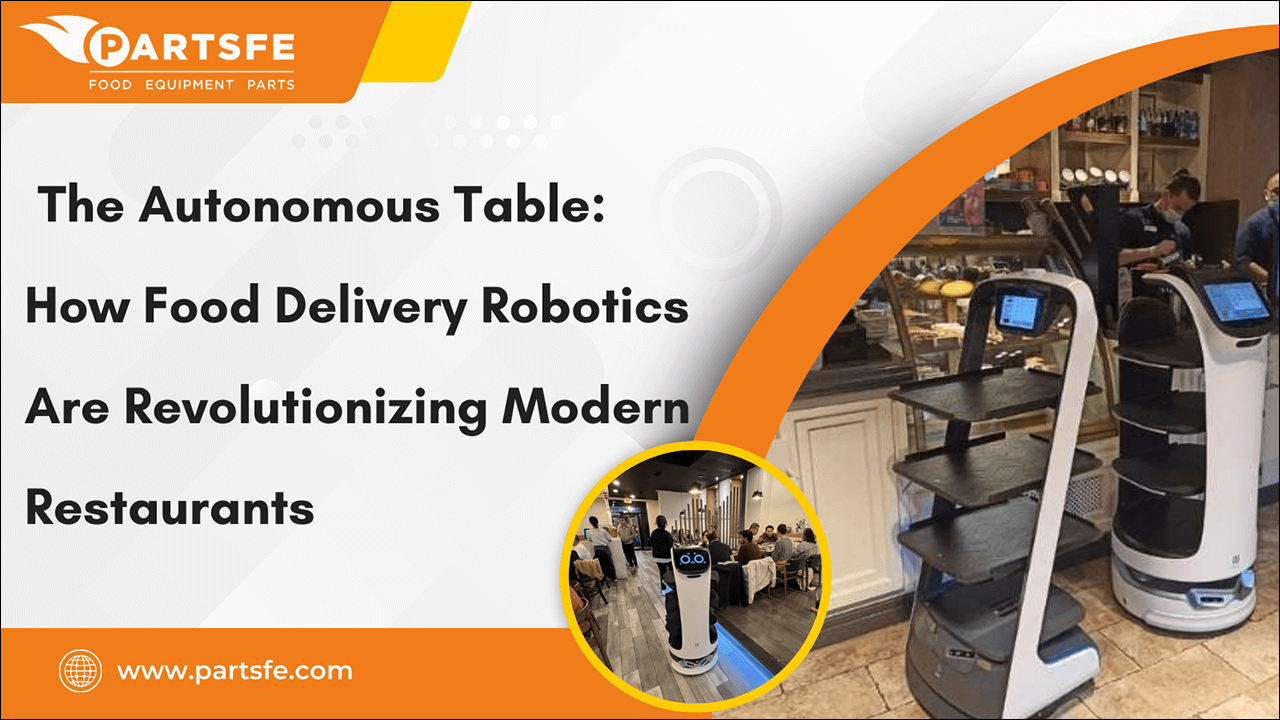
The Autonomous Table: How Food Delivery Robotics Are Revolutionizing Modern Restaurants
The restaurant industry is undergoing a technological transformation, driven by automation and intelligent robotics. As customer expectations evolve and labor challenges grow, food delivery robots are stepping in to reshape how food is prepared, served, and experienced. The concept of the "Autonomous Table" combines smart devices, AI-powered robots, and contactless service to create a dining environment that is faster, safer, and more efficient. From robotic servers navigating dining rooms to interactive tables that automatically place orders, this innovation is transforming the way restaurants operate. In this article, we delve into the rise of food delivery robotics, their impact on restaurant workflows, and how they’re redefining the relationship between food, technology, and customer experience.
What is the Autonomous Table?
The "Autonomous Table" integrates robotics and automation to revolutionize food delivery in restaurants. It combines robotic servers with smart tables and connected kitchen systems to create a seamless dining experience. This innovation enhances efficiency, accuracy, and customer interaction.
Components of the Autonomous Table Ecosystem:
-
Adaptive Navigation Robots: Robots equipped with advanced sensors and AI that dynamically adjust their routes based on real-time dining room traffic and obstacles, ensuring smooth and uninterrupted service.
-
Personalized Dining Experience: Smart tables that remember customer preferences, dietary restrictions, and past orders to offer tailored menu suggestions and upsell options.
-
Interactive Entertainment Features: Tables with built-in games, augmented reality (AR) experiences, or digital art displays to engage customers while they wait, enhancing the overall ambiance.
-
Voice-Activated Ordering Systems: Hands-free interaction options that allow customers to place or modify orders using natural language voice commands.
-
Energy-Efficient Robotics: Robots designed with eco-friendly components and optimized energy consumption to reduce the restaurant’s carbon footprint.
-
Multi-Robot Coordination: Systems where multiple delivery robots communicate and collaborate to distribute tasks efficiently, preventing bottlenecks during peak hours.
-
Dynamic Table Management: Smart tables that detect when guests leave or arrive and automatically update seating availability and cleaning schedules in real-time.
-
Real-Time Feedback Integration: Instant customer feedback collected through the table interface, allowing staff and AI to immediately address concerns or adapt service flow.
Together, these innovative features redefine the restaurant experience by combining cutting-edge technology with personalized hospitality.
The Rise of Food Delivery Robotics
Food delivery robotics are no longer a niche innovation—they represent a fast-growing sector attracting global attention. What began as experimental pilots is now scaling into full commercial deployment across restaurants, hotels, hospitals, and even residential complexes.
Here are some new drivers fueling this rise:
-
Global investment surge: Venture capital funding for food robotics startups has significantly increased in recent years, enabling rapid development and deployment.
-
Wider accessibility of robotics hardware: The cost of components like LiDAR, sensors, and motors has dropped, making robotic solutions more affordable for mid-sized restaurants.
-
Integration with IoT and smart infrastructure: Food delivery robots now connect with kitchen systems, POS software, and customer apps for end-to-end automation.
-
Adoption by global chains: Brands like Domino’s, KFC, and McDonald’s are actively testing or deploying delivery robots, accelerating mainstream acceptance.
-
Urban logistics innovation: Robots are becoming part of smart city plans, integrated into sidewalks and bike lanes to support eco-friendly last-mile delivery.
-
Consumer demand for novelty: Younger customers seek tech-forward experiences, and robotic service often boosts customer engagement and social media visibility.
Together, these factors point to a future where robotics becomes a foundational layer of the restaurant experience worldwide.
Check out this article on Robots to Analytics: 2025 Tech Trends That Reshape Restaurants to find how emerging technologies are revolutionizing the food service industry.
Types of Food Delivery Robots
As robotics evolves, various types of food delivery robots are being adopted to streamline operations. Each type serves a unique purpose depending on the dining environment and service model.
Autonomous Delivery Robots
Ground-based robots that navigate independently to transport food within restaurants, campuses, or urban areas.
-
Uses: Indoor meal delivery in restaurants, last-mile delivery on campuses or residential areas.
-
Examples: Wheeled robots like Bear Robotics’ Penny or Starship Technologies’ delivery bots.
-
Features: Obstacle detection, GPS navigation, secure compartments to keep food warm or cold.
Drones
Aerial vehicles are used for delivering food over short distances, mainly outdoors.
-
Uses: Rapid food delivery in urban or suburban neighborhoods, reaching remote or hard-to-access locations.
-
Examples: Zipline and Wing have tested food and grocery drone deliveries.
-
Challenges: Regulatory approvals, weather conditions, and limited payload capacity.
Robotic Waitstaff
Robots are designed to interact with diners by taking orders, delivering food, and providing basic customer service.
-
Uses: Table-side service in restaurants, interactive ordering assistance.
-
Examples: SoftBank’s Pepper robot or Pudu Robotics’ Bella robot.
-
Features: Humanoid or screen-based interaction, voice recognition, simple conversational abilities.
Conveyor Belt Systems
Automated belts that transport dishes directly from the kitchen to the dining area or individual tables.
-
Uses: Efficient serving in sushi bars, hot pot restaurants, and fast-casual dining.
-
Examples: Sushi conveyor belts in Japan, modernized belt systems in buffet-style eateries.
-
Benefits: Reduces wait times, limits staff movement, and maintains food temperature.
Check out this article on the benefits of tableside ordering: Is your restaurant prepared? to learn how tableside technology can enhance customer experience and streamline service.
Why Restaurants Are Adopting Food Delivery Robots
Food delivery robots are being adopted for their ability to improve efficiency, safety, and customer experience. These key drivers are reshaping how restaurants operate and serve diners.
Labor Efficiency:
-
24/7 Operation: Robots can work continuously without fatigue.
-
Addressing Labor Shortages: They reduce reliance on human staff in regions facing workforce scarcity.
-
Handling Repetitive Tasks: Robots take over physically demanding or repetitive duties, allowing humans to focus on higher-level service.
Enhanced Customer Experience:
-
Consistent and Timely Delivery: Robots ensure meals arrive quickly and accurately.
-
Engaging Interactions: Robotic waitstaff can create unique and novel experiences for diners.
-
Order Accuracy: Automation helps minimize human error, improving customer satisfaction.
Safety and Hygiene:
-
Reduced Human Contact: Automated delivery minimizes direct interaction between staff and customers.
-
Lower Contamination Risks: Particularly valuable in environments like hospitals, eldercare facilities, or food service, where hygiene is critical.
-
Sanitation Compliance: Robots can be programmed to follow strict hygiene protocols.
Cost Savings:
-
Lower Labor Costs Over Time: Despite high upfront investment, robots reduce ongoing wages and benefits expenses.
-
Optimized Resource Use: Automation improves operational efficiency and resource allocation.
-
Minimized Waste and Errors: Robots help reduce food waste and mistakes, saving money.
Innovation Appeal:
-
Attracting Tech-Savvy Customers: Cutting-edge technology draws in modern diners looking for new experiences.
-
Brand Differentiation: Using robotics sets restaurants apart from competitors.
-
Marketing and Buzz: Robotics often generates media attention and social media interest, boosting publicity.
Challenges and Limitations of Food Delivery Robots
While food delivery robots offer significant advantages, their implementation is not without hurdles. Restaurants and technology providers must navigate various technical, logistical, and regulatory challenges to ensure successful integration.
Infrastructure Requirements
-
Space Constraints: Many restaurants, especially smaller ones, may not have the layout to support robot navigation.
-
Connectivity Dependence: Reliable Wi-Fi or 5G connectivity is essential for real-time coordination and data processing.
-
Charging and Maintenance Stations: Dedicated areas are required for charging and performing maintenance on robotic units.
High Initial Investment
-
Capital Expenditure: The upfront cost for purchasing and integrating robotic systems can be prohibitive for small or independent restaurants.
-
Ongoing Maintenance Costs: Regular software updates, hardware servicing, and replacements add to long-term expenses.
Technical Limitations
-
Navigation Errors: Robots may struggle with crowded spaces, uneven surfaces, or unexpected obstacles like dropped items or furniture changes.
-
Limited Autonomy in Complex Environments: High-traffic dining rooms or kitchens with unpredictable layouts can disrupt performance.
-
Payload Restrictions: Most robots have limits on the weight and quantity of items they can carry, making them unsuitable for large or complex orders.
Customer Adaptation
-
User Learning Curve: Not all diners are comfortable interacting with robots, especially older generations or those unfamiliar with smart tech.
-
Lack of Human Touch: Some guests prefer the warmth and personalization of human servers, which robots may struggle to replicate.
Regulatory and Legal Concerns
-
Data Privacy: Smart tables and robots that collect customer data must comply with privacy laws like GDPR or CCPA.
-
Labor Laws: In some regions, the use of robots may raise questions about job displacement and labor rights.
-
Insurance and Liability: Clear policies must be in place in case of accidents, malfunctions, or injuries caused by robots.
Final Thoughts
Food delivery robots are rapidly transforming the restaurant landscape, offering a powerful solution to modern challenges like labor shortages, rising costs, and evolving customer expectations. By integrating technologies such as autonomous delivery bots, smart tables, and AI-powered systems, the concept of the "Autonomous Table" is creating faster, safer, and more personalized dining experiences. Far from replacing human service, these innovations enhance operational efficiency while elevating hospitality. As automation becomes more accessible and mainstream, restaurants that embrace robotics strategically will not only improve service and sustainability but also position themselves at the forefront of the industry's future.
Struggling with equipment issues in your modern restaurant kitchen? PartsFe provides top-quality replacement parts like fryer thermostats, dishwasher pumps, and grill burners to keep operations running smoothly. Shop trusted brands like Hobart, KitchenAid, and Groen all in one place.
FAQs
Are autonomous tables replacing human waitstaff?
No, robots assist human staff by handling repetitive tasks so servers can focus on personalized service. They improve efficiency rather than completely replacing humans.
What are the benefits of using food delivery robots in restaurants?
Robots reduce wait times, improve order accuracy, and help address labor shortages. They also provide a unique, tech-forward experience that attracts modern customers.
Are food delivery robots safe and hygienic?
Yes, robots minimize human contact, lowering contamination risks and improving hygiene standards. They can be programmed to follow strict sanitation protocols.
What challenges do restaurants face when adopting autonomous tables?
High upfront costs, technical difficulties in crowded spaces, and infrastructure needs can pose challenges. Some customers may also prefer human interaction over robotic service.