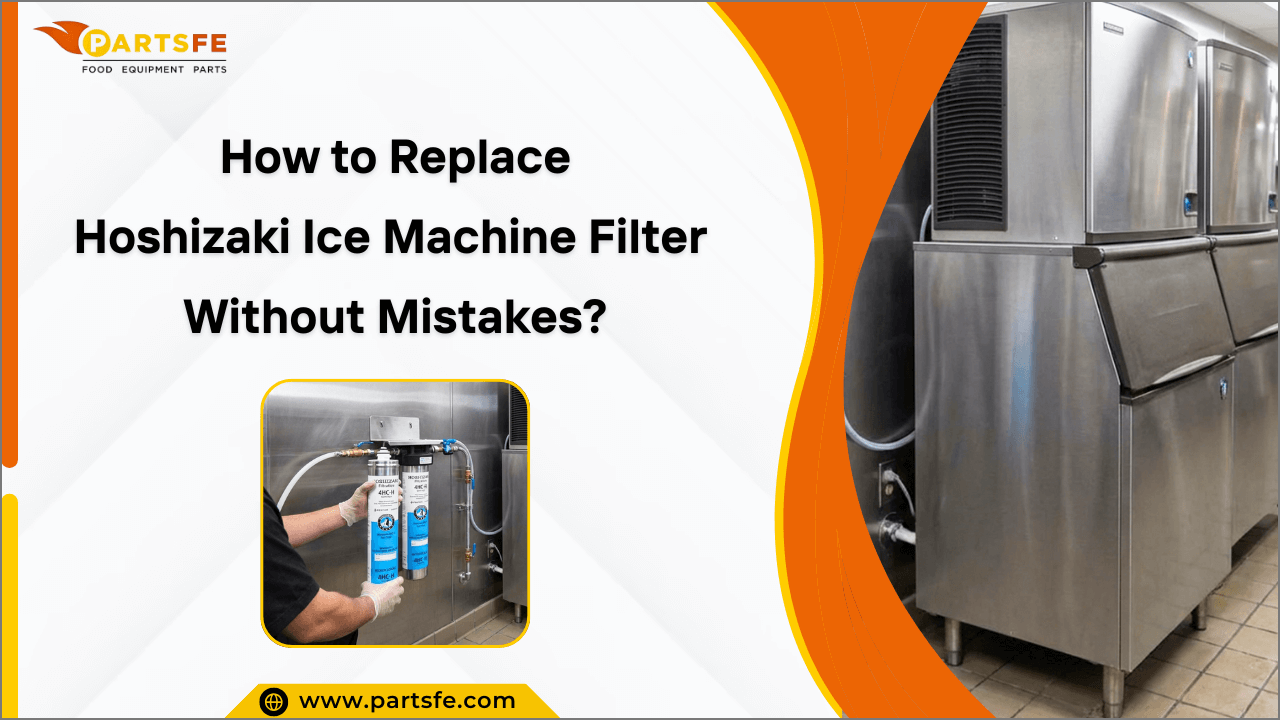
How to Replace Hoshizaki Ice Machine Filter Without Mistakes?
Hoshizaki ice machine filter replacements are key to keeping your ice clean, fresh, and free from impurities. A worn or clogged filter can reduce ice production, affect taste, and put extra strain on your machine, potentially leading to costly repairs. Regular maintenance ensures your ice machine performs efficiently and lasts longer.
Replacing the Hoshizaki ice machine water filter for removing chemical residues, odors, and sediments ensures that the ice produced is clean, fresh, and safe to consume. Doing it incorrectly can cause leaks, poor ice quality, or damage to the unit. This guide provides clear, step-by-step instructions to replace your filter safely and without mistakes.
Why Correct Hoshizaki Ice Machine Filter Replacement Matters
Replacing your Hoshizaki ice machine filter the right way goes beyond just clean ice. A precise replacement improves machine efficiency, enhances ice clarity, and prevents hidden problems that many users overlook. Skipping steps can quietly reduce performance and increase long-term costs.
-
Prevents Hidden Mineral Film: Even small mineral residues can form a thin layer inside the ice machine, affecting ice clarity and taste over time. Correct filter replacement stops this early.
-
Reduces Energy Waste: A clogged or misaligned filter forces the machine to work harder, consuming more electricity for the same ice output.
-
Avoids Microbubble Formation: Improperly filtered water can trap air and create cloudy ice cubes, which impacts presentation in restaurants and bars.
-
Protects Cooling System Efficiency: Sediment or debris in water can slowly clog cooling pipes; proper filter replacement ensures optimal heat exchange.
-
Maintains Consistent Ice Texture: Even small inconsistencies in water quality can alter ice hardness and size. Correct replacement ensures uniform, high-quality ice.
-
Reduces Odor Carryover: Filters also prevent subtle chemical or metallic odors from affecting ice aroma, something most users don’t notice until it’s too late.
A proper hoshizaki ice machine filter change ensures every cube of ice is clean and fresh. It safeguards your machine, prevents breakdowns, and keeps your kitchen or bar running smoothly.
Looking to replace worn ice machine filters and improve ice production efficiency? Shop high-quality replacement parts for restaurant equipment from PartsFe, including ice machine filters, water pumps, evaporator plates, ice bins, and water inlet valves to prevent costly repairs. Upgrade or replace parts today with fast shipping to keep your kitchen or bar running at peak performance.
Tools & Safety Checklist Before Replacing the Hoshizaki Filter
Before starting the filter replacement, preparing the right tools and following a safety routine can save time, prevent machine damage, and improve ice quality. Many users overlook small details that can make the process smoother and reduce long-term maintenance issues.
Tools You’ll Need:
-
Replacement Hoshizaki water filter: Ensure it’s the exact model to avoid leaks or improper filtration.
-
Small drip tray or absorbent mat: Catches not just water, but any residual minerals that can stain surfaces.
-
Soft-bristle brush: Helps gently clean the filter housing before installing the new filter, reducing bacterial buildup.
-
Torque wrench: Some models require precise tightening to prevent cracks or leaks.
-
Disposable gloves with grip: Protects hands and prevents slipping when handling wet, slimy components.
-
Lint-free cloth or microfiber towel: Wipes housing surfaces without leaving fibers that can contaminate ice.
Safety Checklist:
-
Power and Water Isolation: Unplug the machine and turn off the water supply. Double-check nearby lines to avoid accidental sprays from connected systems.
-
Check for Hidden Water Traps: Some ice machines retain water in internal lines; place a tray underneath to catch hidden drips.
-
Assess Filter Condition: If the old filter is very dirty, allow time for sediment to settle before removal to avoid debris spreading.
-
Work in a Well-Lit Area: Proper lighting ensures you can see seals, threads, and fittings clearly, reducing mistakes.
-
Hygiene & Debris Protection: Gloves and optional disposable eye protection prevent contact with residual water, debris, or bacteria.
-
Inspect Seals and O-Rings: Before installation, check for worn seals to prevent leaks and ensure optimal water flow.
By following these steps, your ice machine water filter prevents mineral deposits and keeps ice production consistent and reliable.
How to Replace Hoshizaki Ice Machine Filter
Replacing your Hoshizaki ice machine filter correctly ensures clean ice and prevents hidden machine issues. Follow these unique steps for a smoother, safer, and longer-lasting installation.

|
Disclaimer: Always follow the manufacturer’s instructions and safety guidelines when replacing your Hoshizaki ice machine filter. Improper installation may cause leaks, machine damage, or personal injury. The steps provided are for guidance only, and you should consult a professional if unsure. |
Discover 5 signs you need to replace or clean your ice machine to maintain ice quality, prevent breakdowns, and ensure efficient operation.
Common Mistakes During Hoshizaki Filter Replacement And How to Avoid Them
Even small missteps can lead to reduced ice quality, hidden leaks, or costly repairs. Here are some frequently overlooked mistakes and tips to prevent them:
|
Mistake |
Problem |
Solution |
|
Using the Wrong Filter |
Non-compatible filters can leak, reduce filtration, and cause mineral buildup. |
Use the exact Hoshizaki filter and verify the part number. |
|
Ignoring Hidden Water Traps |
Residual water in tubing can spill and create messes. |
Place a drip tray and carefully release trapped water before removal. |
|
Skipping Filter Housing Inspection |
Dirt, deposits, or worn O-rings can prevent proper sealing and cause leaks. |
Clean the housing, inspect O-rings, and lightly lubricate if needed. |
|
Installing Without Pre-Soaking |
Air pockets in a dry filter can reduce flow and produce cloudy ice. |
Pre-soak the filter in clean water for a few minutes before installation. |
|
Neglecting Initial Flush |
Carbon fines or debris can affect ice clarity, taste, and hygiene. |
Run water through the filter and discard the first batch of ice. |
|
Overlooking Alignment and Seating |
Misaligned filters can leak, reduce flow, and affect ice quality. |
Insert slowly, seat the O-ring correctly, and align before tightening. |
|
Rushing Without Safety Checks |
Working on a powered machine risks shocks or accidental activation. |
Unplug the machine, wear gloves, and ensure water lines are off. |
|
Waiting Too Long Between Replacements |
Old filters strain the machine, reduce ice clarity, and may harbor bacteria. |
Follow a regular replacement schedule per manufacturer guidelines. |
Caution: Hidden drips in tubing can cause mold or corrosion over time, and micro-cracks in O-rings may lead to sudden leaks under pressure. Sediment in the housing can spray unexpectedly, contaminating ice or surfaces. Cold water pressure can create bursts. Stay alert and protect yourself.
When to Seek Professional Help:
-
Water leaks persist around the filter head or inlet fittings after installation
-
Ice production drops below normal capacity or stops during scheduled production cycles
-
Ice cubes appear soft, misshapen, cloudy, or develop off-odors despite a new filter
-
The machine displays fault lights, error codes, or enters repeated shutdown cycles
-
Unusual mechanical or pump noises occur during fill, freeze, or harvest stages
-
Mineral scaling or debris continues to appear inside the housing after cleaning
-
Filter connections, housings, or seals show signs of wear that affect pressure or flow
Best Practice: For commercial operations, unresolved filter or water-flow issues should be handled promptly by a certified technician to prevent downtime, equipment damage, and food safety risks.
Find out common water valve issues in commercial ice machines and how to fix leaks, blockages, and faulty solenoids.
Summary: Ensure a Leak-Free, Hygienic Filter Replacement Every Time
Replacing your Hoshizaki ice machine filter ensures clean, clear ice and reliable machine performance. It’s important to know how to change Hoshizaki ice machine filters properly to avoid mistakes. Following the correct steps helps maintain hygiene and prevent leaks. Proper installation also keeps ice production consistent and your machine running efficiently.
Key Takeaways:
-
Hidden water pockets in tubing can cause unnoticed spills and minor leaks if ignored.
-
Tiny cracks or wear in O-rings can quietly reduce sealing efficiency over time.
-
Trapped air and microbubbles in new filters can affect ice clarity and taste.
-
Residual mineral deposits or biofilm in the housing can compromise hygiene if not cleaned.
-
Knowing the Hoshizaki ice machine water filter location helps ensure proper installation and maintenance.
-
Monitoring the machine after installation helps detect small leaks or flow issues early.
-
Keeping a replacement log and tracking water quality ensures consistent ice performance and long-term machine reliability.
FAQs:
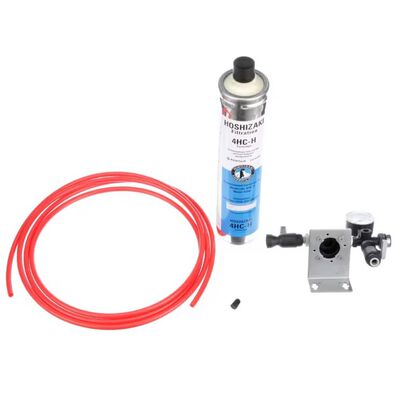
How do I clean the Hoshizaki Water Filter 4HC-H?
Remove the Hoshizaki Water Filter 4HC-H from the machine. Wash gently with warm soapy water, rinse thoroughly, and let it dry before reinstalling.
Can I run vinegar through my Hoshizaki ice machine to clean it?
Yes, you can use a vinegar solution to clean the machine’s interior components. Be sure to rinse thoroughly with clean water afterward to avoid any residual taste.
What happens if you don't change your Hoshizaki water filter?
Failing to replace the water filter can lead to mineral buildup and reduced ice quality. Over time, this may damage the machine and shorten its lifespan.
How often should I replace the Hoshizaki 4HC-H cartridge?
The Hoshizaki 4HC-H cartridge should be replaced approximately every 6 months. This keeps your ice machine filter working efficiently and prevents scale buildup.