Common Water Valve Issues in Commercial Ice Machines and How to Fix Them
Commercial ice machines are essential in many industries, from restaurants to healthcare facilities. However, one common issue that can disrupt their performance is a faulty water valve. When water valves malfunction, they can cause problems like slow ice production, no ice at all, or even leaks that lead to water damage.
Understanding these common ice machine water valve issues and knowing how to troubleshoot them can save you time, money, and frustration. In this guide, we’ll walk you through the most frequent valve-related problems and offer practical solutions to keep your machine running smoothly. Whether you're a facility manager or a technician, this information will help you maintain optimal performance and extend the life of your ice machine.
Understanding Water Valves in Commercial Ice Machines
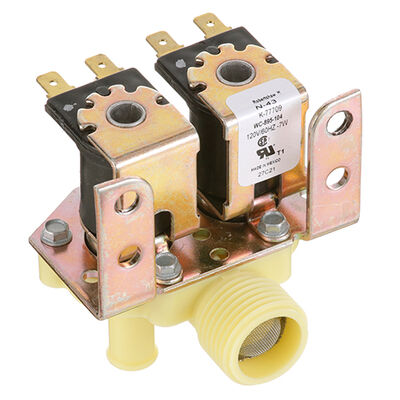
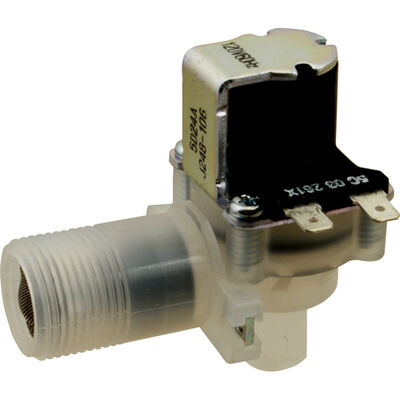
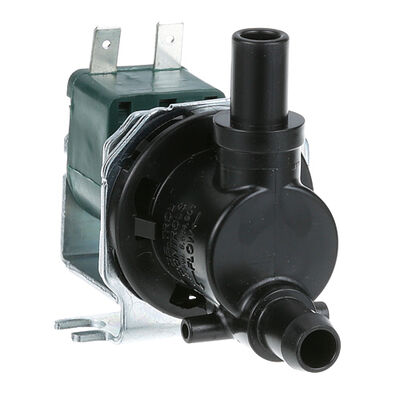
Commercial ice machine water valves are critical components in controlling the flow of water into the system. Without proper valve function, ice production can be inconsistent or fail entirely.
Here’s what you need to know about water valves:
-
Function: Ice machine water inlet valves regulate when and how much water enters the ice-making system. They open and close in response to signals from the machine’s control board.
-
Types of Valves: There are three types of water inlet valves. Water inlet valves control water entering the machine from the supply line. Water drain valves manage water discharge after ice cycles. Water solenoid valves are electrically operated to open/close water flow during specific cycles.
-
Location: Typically found at the back or base of the machine, often near the water line connection.
-
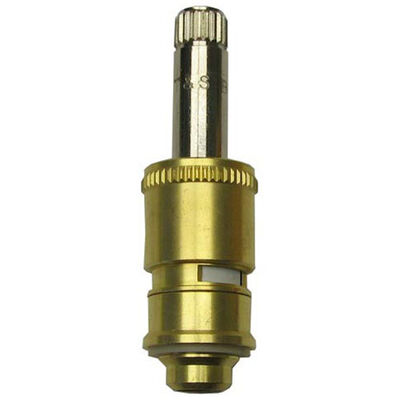
Material: Usually made of brass or plastic with rubber seals to prevent leaks.
-
Lifespan: Designed for long-term use, but may wear out due to mineral buildup or frequent cycling.
Understanding how these valves work is key to diagnosing and fixing common ice machine issues.
Having trouble with your commercial ice machine’s water valve? PartsFe offers replacements like inlet valves, solenoid coils, and dump valves from top brands like Hoshizaki, Manitowoc, and Scotsman. Shop quality parts fast and get your machine running smoothly again!
Common Commercial Ice Machine Water Valve Issues and Their Symptoms
Ice machine water valve problems can arise for several reasons: mineral deposits, wear and tear, electrical issues, or user error. Below are the most common issues and how they present themselves:
Valve Won’t Open or Close Properly
This issue usually points to electrical failure (e.g., solenoid malfunction) or mineral scale buildup preventing the valve from sealing.
Symptoms:
-
No water entering the machine
-
Continuous water flow, even when the machine is off
-
Incomplete ice cubes
Water Leaking from the Valve
Leaks are often caused by cracked valve bodies, loose fittings, or worn gaskets.
Symptoms:
-
Puddles under or inside the machine
-
Water pressure problems
-
Rust or corrosion near valve connections
Intermittent Ice Production
This can occur when the valve is partially blocked or has an unstable electrical connection.
Symptoms:
-
Ice bin not filling consistently
-
Random machine shutdowns
-
Inconsistent cube sizes
Valve Making Unusual Noise
A noisy valve might indicate an internal failure or pressure imbalance. Left unchecked, it can cause damage to nearby components.
Symptoms:
-
Buzzing or humming
-
Clicking when turning on/off
-
Water hammering sounds
Diagnosing Commercial Ice Machine Water Valve Problems: What to Check First
Effective commercial ice machine troubleshooting begins with identifying water valve-related issues. A step-by-step check can quickly reveal leaks, ice machine water flow issues, or electrical faults.
Valve Stuck Open
-
Symptoms: Continuous water flow causing flooding or water pooling.
-
Cause: Valve fails to close due to worn seals or debris.
-
Fix: Clean the valve thoroughly to remove debris. If seals are damaged, replace the valve or repair seals.
Valve Stuck Closed
-
Symptoms: No water flow, no ice production, or slow ice cycles.
-
Cause: Mechanical failure or electrical fault prevents valve from opening.
-
Fix: Test the solenoid coil for continuity. Replace the valve if the coil is faulty. Check wiring and control signals.
Leaking Seals or Diaphragms
-
Symptoms: Water leaks around the valve, inefficient operation.
-
Cause: Worn or damaged seals, often due to mineral buildup.
-
Fix: Replace worn seals or the entire valve assembly. Use water softeners or filtration to reduce mineral deposits.
Mineral Buildup and Clogging
-
Symptoms: Reduced water flow, inconsistent ice production.
-
Cause: Hard water deposits clog the valve or inlet screen.
-
Fix: Remove and clean the inlet screen and valve components. Consider installing a water softener system.
Electrical Failures in the Solenoid
-
Symptoms: Valve doesn’t activate, no clicking sound during cycles.
-
Cause: Burned-out solenoid coil or wiring problems.
-
Fix: Test with a multimeter; replace solenoid coil or repair wiring as needed.
Improper Valve Sizing or Pressure Issues
-
Symptoms: Valve wears out quickly or malfunctions intermittently.
-
Cause: Valve size doesn’t match system or water pressure is too high/low.
-
Fix: Verify valve specifications and water pressure. Replace with correct valve size and adjust pressure if needed.
Identifying the root cause early makes troubleshooting easier and supports effective ice machine valve repair tips for long-term performance.
Step-by-Step Process to Fix Leaky or Faulty Water Valves in Commercial Ice Machines
Leaky or faulty water valves can lead to poor ice production, water waste, and even internal damage. Fixing commercial ice machine valves quickly ensures your machine runs efficiently and avoids costly repairs.
Tools Needed:
-
Screwdrivers (Phillips and flathead)
-
Wrench set
-
Multimeter
-
Cleaning solution or descaler
-
Replacement valve (if needed)
-
Bucket and towels for spills
Here’s a detailed step-by-step process:
Step 1: Turn Off Power and Water Supply
Always begin by unplugging the ice machine and shutting off the water supply to ensure safety during repairs.
Step 2: Inspect for Visible Leaks
Check around the valve, fittings, and water lines for signs of leakage, rust, cracks, or mineral deposits that may indicate a problem.
Step 3: Clean the Inlet Screen
Remove the valve’s inlet screen and rinse it under running water. Debris or mineral buildup can restrict flow and mimic valve failure.
Step 4: Test the Solenoid Valve
Use a multimeter to test the solenoid coil for electrical continuity. No continuity means the solenoid is faulty and the valve should be replaced.
Step 5: Remove the Faulty Valve
Disconnect any wiring and water lines, then unscrew the valve from its mounting bracket.
Step 6: Install the New Valve
Attach the new valve in place, reconnect wires and water lines securely, and ensure all fittings are tight.
Step 7: Restore Power and Test
Turn the power and water back on. Run the machine to check for proper water flow and confirm there are no leaks.
When and How to Replace a Commercial Ice Machine Water Valve
Knowing when your ice machine’s water valve replacement is crucial for preventing costly damage. Proper replacement ensures your machine runs efficiently and reliably.
When to Replace the Water Valve
You should consider replacing the water valve in your commercial ice machine when:
-
The valve body is cracked, corroded, or physically damaged.
-
Persistent leaks continue despite tightening fittings or replacing seals.
-
The solenoid coil is burnt out and cannot be repaired or replaced separately.
-
The valve frequently sticks or fails to open/close properly, causing inconsistent ice production.
-
Diagnostic error codes related to the valve persist after cleaning and troubleshooting.
Delaying replacement can lead to water damage, reduced machine efficiency, and costly downtime.
How to Replace the Water Valve
Replacing a water valve involves more than just swapping parts. Follow these best practices to ensure a smooth, reliable replacement:
-
Document Before Disconnecting: Take photos or notes of wiring and tubing connections to avoid confusion during reassembly.
-
Turn Off Power and Water Supply: Always disconnect power and shut off water before starting to prevent hazards.
-
Use Teflon Tape on Threaded Fittings: Apply plumber’s tape to all threaded connections on the new valve to ensure watertight seals and prevent leaks.
-
Inspect and Replace Tubing: Check the condition of tubing connected to the valve; replace brittle or damaged tubing to avoid future leaks.
-
Clean Valve Mounting Area: Remove any mineral deposits or corrosion from the valve’s mounting surface to ensure a secure fit.
-
Verify Valve Compatibility: Confirm that the replacement valve matches the original valve’s voltage, amperage, and size specifications.
-
Hand Tighten Fittings First: Avoid cross-threading by hand-tightening fittings before securing with tools, but don’t overtighten.
-
Perform Leak Test Before Reassembly: After installing the valve and restoring water, run a test cycle to check for leaks before putting panels back on.
Following these steps will help you replace the valve safely and keep your machine running smoothly.
Explore this guide on how to replace true 203416 water filter replacement kit in ice machines and refrigerators to ensure clean water flow and optimal cooling performance.
Preventative Maintenance Tips to Avoid Commercial Ice Machine Water Valve Issues
Regular commercial ice machine maintenance is essential to prevent water valve problems and ensure reliable ice production. Follow these key tips to keep your machine running smoothly.
-
Clean the Inlet Screen: Mineral deposits and debris can clog the screen, restricting water flow. Regular cleaning helps maintain optimal water pressure.
-
Inspect for Leaks and Corrosion: Periodically check valves and fittings for signs of leaks, rust, or seal damage to catch issues early.
-
Install Water Softeners or Filters: Hard water causes scale buildup that damages valves. Using softeners or filters reduces mineral deposits and extends valve life.
-
Maintain Proper Water Pressure: Verify water pressure stays within the manufacturer’s recommended range (typically 20–80 PSI) to avoid valve stress or malfunction.
-
Test Electrical Components: Routinely check solenoid coils and wiring to ensure valves actuate correctly during ice-making cycles.
-
Follow Manufacturer’s Maintenance Schedule: Adhere to specific cleaning and inspection intervals recommended by the manufacturer to maximize system reliability.
By applying these maintenance tips, you can reduce valve failures, avoid costly downtime, and keep your commercial ice machine operating efficiently.
Check out this article on how to clean commercial refrigerator condenser coils it shows you simple steps to boost performance and avoid costly repairs.
Ensuring Efficient Ice Production Through Timely Valve Care
Water valves are small but critical components in commercial ice machines. Ignoring valve issues can quickly lead to reduced ice quality, machine downtime, and costly repairs. By recognizing common symptoms early and knowing when to diagnose, repair, or replace a faulty valve, operators can avoid major disruptions to their business.
Timely attention to water valve problems not only preserves the machine’s performance but also helps maintain safety and water efficiency. Investing the effort to address valve issues promptly ensures your commercial ice machine continues to produce clean, consistent ice—supporting your operations smoothly day after day.
FAQs
How to tell if an ice maker water valve is bad?
A bad water valve may cause no water flow, leaks, or continuous running water. You might also hear buzzing sounds or notice inconsistent ice production.
What triggers the water valve on an ice maker?
The ice maker’s control board sends an electrical signal to the valve to open and allow water in. This typically happens during the ice-making cycle when water is needed.
Why is my commercial ice machine leaking water?
Leaks can be caused by faulty or cracked water valves, loose fittings, or damaged tubing. Mineral buildup and worn seals can also cause water to escape from connections.