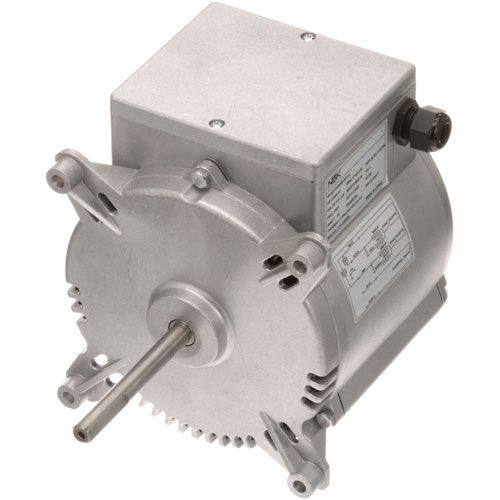
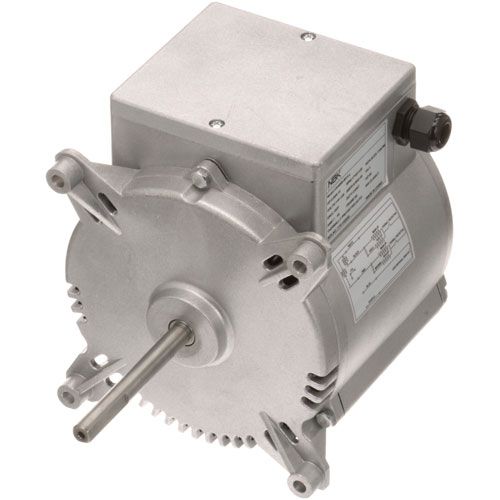
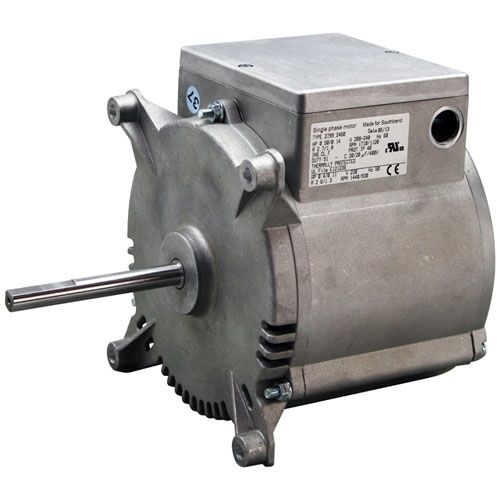
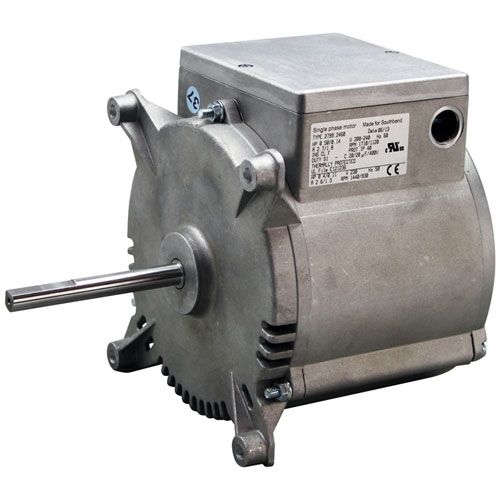
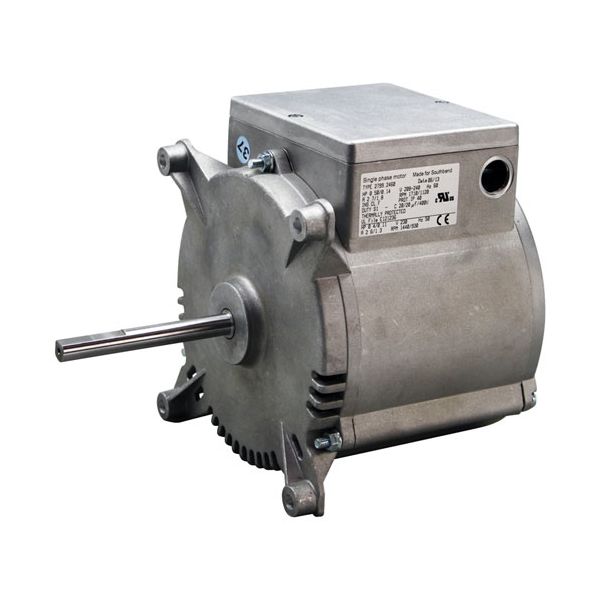
Southbend 1194781 Convection Oven Motor 2-Speed 208/230V 50Hz 1PH

Special Price $551.44 Regular Price $1,182.14
In stock
SKU
1194781
Manufacturer:
The Southb​e‌nd‌ 1194781 Con‌vect‍ion O‌ven Motor 2-Speed 2‍08/230V 1PH 50Hz circulates air through a‍ dual-speed‍ motor system that drives internal​ fans to distribute heat evenly across the cooking chamber. The motor adjusts between two‍ speed settin⁠gs to support airflow variation during cooking c‍ycles, enabl‍ing co‍ntrolled hea⁠t moveme​nt with‍i​n the oven cavity. It is install‍ed in the⁠ convection oven asse‍mbly to po‌we‌r the fan mechan‍ism pos​iti​oned b‌ehind the⁠ rear​ panel for operat‌ion⁠al use wi‌thin the equipment structure during opera‍tion cycles i‍n⁠tegration suppor​t.

Dimensions

  • Weight: 28.17 lbs
https://partsfe.com/media/catalog/product/s/o/southbend-1194781-2-speed-convection-oven-motor-208-230v50hz-1ph-73238-2.jpg
Converts electrical energy into mechanical rotation to provide the rotational power required for the convection air circulation system in Southbend commercial convection ovens designed for this motor configuration. The Southbend 1194781 Convection Oven Motor converts electrical energy into mechanical rotation to drive the convection fan assembly. Operating on a 208/240V electrical supply, it supports continuous airflow throughout the cooking cavity during oven operation. Verify the equipment model number, part number, voltage, and specifications before selecting a replacement.

Fan Drive Operation:
Converts electrical energy into mechanical rotation to drive the convection fan throughout the cooking cycle. As the motor rotates the fan assembly, heated air is circulated continuously through the oven cavity, helping maintain consistent temperatures, reduce hot and cold spots, and promote even heat distribution during cooking. Continuous fan operation also supports temperature recovery after the oven door is opened.

Air Circulation Path:
Generates the rotational force required to keep the convection fan operating throughout the cooking process. Continuous air movement carries heated air across the oven cavity and around food products, promoting uniform heat transfer and consistent cooking results. Steady airflow also supports temperature recovery after the oven door is opened and maintains balanced heat circulation during repeated cooking cycles.

Replacement Guidelines:
Replacement of the convection oven motor if it is damaged, operates inconsistently, or no longer maintains the required air circulation. The part number 1194781 should be verified before replacement to ensure the correct motor is selected. Replace the component if deterioration affects motor response, airflow circulation, or normal oven operation.

Common Failure Symptoms:

  • Convection fan does not rotate during operation
  • Reduced airflow inside the oven cavity
  • Unusual noise from the motor assembly
  • Intermittent motor operation
  • No rotational movement from the motor

Equipment Compatibility:
The Southbend 1194781 Convection Oven Motor is designed for Southbend commercial convection ovens requiring this motor configuration. Verify the equipment model number, part number, voltage, and required specifications before purchase.

Technical Specifications:
Brand: Southbend
Part Number: 1194781
Voltage: 208/240V
Appliance Type: Commercial Convection Oven
Product Name: Motor

Write Your Own Review
You're reviewing:Southbend 1194781 Convection Oven Motor 2-Speed 208/230V 50Hz 1PH
Your Rating
Customer Questions
How does a convection motor handle cooking multiple dishes with different temperature requirements simultaneously?

Convection ovens often have multi-rack cooking capabilities and adjustable fan speeds. You can place dishes with different temperature needs on various racks and adjust settings accordingly.

Are convection motors in ovens prone to wear and tear over time, and how can I tell if mine needs servicing?

Like any mechanical component, convection motors can experience wear. Signs of issues include unusually loud noises or reduced airflow.

Can I use a convection oven for baking at lower temperatures, such as for delicate pastries or slow-roasting meats?

Yes, convection ovens can be used for low-temperature cooking. Adjusting the fan speed or using the "conventional" mode can help achieve precise results.

What maintenance is required for the Southbend 1194781 2 Speed Motor?

Regularly inspect the motor for dust and grease buildup, cleaning with a dry cloth or compressed air. Lubricate bearings as recommended to prevent damage and overheating. Ensure proper ventilation around the motor, and always disconnect power before servicing to avoid electrical hazards.

What are the common issues with the Southbend 1194781 2 Speed Motor?

  • Motor overheating under continuous use
  • Unusual noises or vibrations
  • Inconsistent fan speed or operation
  • Electrical connection faults are causing intermittent power.

What is the role of this convection oven motor?

The motor provides the mechanical rotation needed to drive the convection fan assembly and maintain air movement throughout the oven cavity.

We strive to provide our customers with a hassle-free and efficient shopping experience. Our shipping policy ensures the timely delivery of your orders and complete customer satisfaction. View More

We are committed to ensuring your complete satisfaction with every purchase. We understand that circumstances may arise where you must return a product or request a refund. If for any reason you are not satisfied, you may return the item(s) according to the terms outlined below. View More

This Payment Policy outlines the terms and conditions governing all payments made for products purchased through our website. By making a purchase, you agree to be bound by this Payment Policy. View More

Installation Steps

Step1: Turn off the electrical power and allow the oven to cool completely.

Step2: Remove rear access panel to reach the motor assembly.

Step3: Disconnect the wiring and loosen the blower wheel from the shaft.

Step4: Remove mounting bolts and remove the old motor.

Step5: Install the new motor and reconnect the wiring properly.

Step6: Reinstall the panel, restore power, and test motor speeds.