How to Replace a Commercial Dishwasher Water Inlet Valve
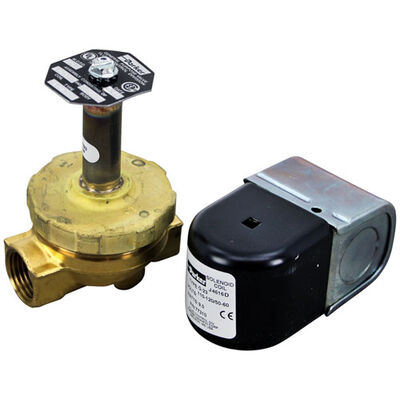
The water inlet valve plays a crucial role in the operation of a commercial dishwasher, serving several important functions that are vital to its efficient performance. The water inlet valve regulates the flow of water into the dishwasher. It ensures that the right amount of water is supplied to the machine based on the selected wash cycle, maintaining the appropriate water level for optimal cleaning performance. The dishwasher inlet valve is responsible for the timing and sequencing of water entry into the dishwasher. It opens and closes at specific intervals to allow water to fill the machine, activate detergent and rinse aid dispensers, and initiate the cleaning process. The water inlet valve contributes to temperature control by allowing the flow of hot water into the dishwasher during the wash cycle. This is essential for effective cleaning, as hot water helps to dissolve grease, sanitize dishes, and remove stubborn food residue.
| Table of Contents: Signs of a bad water inlet valve on a commercial dishwasher Preparing commercial dishwasher water inlet valve for replacement How to replace a commercial dishwasher water inlet valve? Testing and troubleshooting commercial dishwasher water inlet valve Maintenance tips to prolong the life of the water inlet valve |
Signs of a bad water inlet valve on a commercial dishwasher
symptoms of a bad dishwasher water inlet valve on a commercial dishwasher can impact its performance and efficiency.
- Insufficient water or overfilling: When the water inlet valve fails, it can result in the dishwasher not getting enough water to properly clean dishes, or conversely, an overfilling of water causes flooding.
- Low water pressure: A malfunctioning water input valve can cause low water pressure over the wash cycle. This can lead to ineffective cleaning since the dishes may not receive enough water to be thoroughly cleaned.
- No water flow: A defective water inlet valve may fail to allow any water to flow into the dishwasher. This can lead to the dishwasher not initiating the cleaning cycle or stalling mid-cycle due to lack of water.
- Water leakage: A damaged dishwasher water connection or stuck water inlet valve can cause leakage around the valve, leading to water accumulation beneath or around the dishwasher. This indicates a potential issue requiring immediate attention.
- Unusual noises: A malfunctioning water inlet valve can cause abnormal noises, such as buzzing, humming, or rattling, during water filling into the dishwasher. These noises are often an indication of valve problems.
- Irregular temperature: If the water inlet valve is not effectively regulating the water temperature, the dishwasher may need help to maintain the appropriate water temperature throughout the wash cycle, leading to efficient cleaning and sanitization of dishes.
- Visible corrosion or mineral build-up: Corrosion, deposits, or mineral build-up around the water inlet valve are clear indicators of a potential malfunction. These issues can impact the valve’s ability to open and close properly, affecting water flow.
Know more about Jackson Dishwasher Troubleshooting Guide
Preparing commercial dishwasher water inlet valve for replacement
Preparing commercial dishwasher parts for replacement requires careful attention to ensure a smooth and successful transition.
Turn off power and water supply: Begin by turning off the dishwasher's electricity at the circuit switch and disconnecting the water supply connection that connects to it.
Drain the system: Run a short cycle or manually remove any remaining water in the dishwasher and the water inlet line.
How to replace a commercial dishwasher water inlet valve?
Here's a comprehensive step-by-step guide to commercial dishwasher repair and replacement. Before beginning the replacement process, switch off the power supply to the dishwasher at the circuit breaker and shut off the water supply line feeding the dishwasher.
- Access the water inlet valve: Most commercial dishwashers have a water entry valve placed at the bottom, front, or back of the device. To reach the valve, remove either the lower front or back access panel.
- Disconnect water supply: Ensure that any residual water in the line is collected in a container and that the area is dried to minimize spillage.
- Remove electrical connections: If the water inlet valve is electrically powered, carefully disconnect the electrical wiring or connectors attached to the valve. Labeling the wires or taking a picture to aid reconnection is essential.
- Detach mounting screws: Loosen and replace the mounting screws or brackets holding the water inlet valve to the dishwasher chassis or enclosure.
- Remove old valve: Gently replace the old water input valve from it's place, taking care not to harm any other components.
- Prepare new valve: Unpack the new water inlet valve and ensure it matches the specifications of the old valve. Check for any damage and verify that all necessary components are included.
- Install new valve: Properly place and fix the new water inlet valve with the screws that mount it or hooks. Replace the water source and the wiring to the new valve, making that the fittings are appropriate and safe to use.
- Perform a leak check: Turn on the water supply, restore power to the dishwasher, and check for any leaks through the new water inlet valve. Address any leaks immediately if they are detected.
- Test the functionality: Initiate a test cycle to ensure that the new water inlet valve is functioning correctly.
- Final inspection: Once the test cycle is complete and no issues are detected, reassemble the access panels and perform a final visual inspection to verify that the dishwasher shut off valve is secure and that there are no leaks.
Check out our Commercial dishwasher buying guide
Testing and troubleshooting commercial dishwasher water inlet valve
When inspecting and troubleshooting a commercial dishwasher inlet valve, it's critical to take a methodical approach to discover and resolve any potential problems. Begin by visually evaluating the water inlet valve for symptoms of dishwasher water inlet valve leaking,,physical deterioration, corrosion, or mineral deposits. Make sure the valve is correctly attached to the water supply line and there are no apparent leaks. If the water entry valve is powered by electricity, use a multimeter to ensure electrical continuity. Disconnect the electrical links to the valve and use your multimeter to check for continuity between the valve terminals. No continuity indicates that the solenoid is malfunctioning and has to be replaced.
With the water supply line connected, initiate a test cycle on the dishwasher and observe the water flow into the unit. Ensure that the water inlet valve opens and allows a steady flow of water into the dishwasher. A restricted or insufficient flow may indicate a clog or a faulty valve. Run a test cycle while observing the water inlet valve and surrounding connections for any leaks. Even a small leak can indicate a faulty valve or improper connection.
Troubleshooting the Water Inlet Valve:
Ensure that the water inlet valve is receiving an adequate supply of water. If the water inlet valve does not open to allow water into the dishwasher, verify that the electrical connections are secure and the solenoid is receiving the appropriate voltage during the cycle. If electrical continuity is confirmed, but the valve does not open, the solenoid may need replacement. If the water inlet valve fails to regulate temperature, check the thermostat and heating elements to ensure they are functioning correctly. Address any issues with these components to restore proper water temperature control. If the dishwasher is consistently overfilling or underfilling during operation, it may indicate a faulty water inlet valve. Check the valve for proper functionality and ensure that it is receiving the appropriate signals during the wash cycle.
Read Hobart commercial dishwasher troubleshooting tips
Maintenance tips to prolong the life of the water inlet valve
Maintaining the water inlet valve in a commercial dishwasher is crucial to ensuring its longevity and efficient performance. Regularly clean the water inlet valve to prevent mineral buildup or debris that can affect its functionality. Ensure that the water supply to the dishwasher is of good quality. Hard water with significant mineral content can cause deposits and scale building in the water input valve. Install a water softener if necessary to reduce minerals buildup. Inspect the fittings and connections surrounding the water inlet valve regularly for evidence of leaks or seepage. Any leaks should be repaired as soon as possible to avoid causing harm to the valve and surrounding components. Clean filters help to prevent debris from entering the water inlet valve, minimizing the risk of clogs or damage. water inlet valve is electrically operated, periodically check the electrical connections, wires, and solenoids for any signs of wear or damage.
Regular maintenance, such as cleaning, monitoring water quality, checking for leaks, and addressing operational issues promptly, can significantly prolong the life of the water inlet valve and the dishwasher as a whole. Additionally, in water inlet valve replacement aware of potential issues like clogging, leaks, and the cost of replacement can help operators and maintenance staff proactively manage and care for the water inlet valve. By following best practices and implementing preventive measures, businesses can ensure the smooth operation of water inlet valve dishwashers while maximizing the longevity and reliability of the water inlet valve, ultimately contributing to a more efficient kitchen operation.
Here are our curated Commercial dishwasher maintenance tips
FAQs
Can a commercial dishwasher water inlet valve get clogged?
Yes, sediment and debris in the water can cause clogging, leading to reduced water flow.
How much does it cost to replace dishwasher water inlet valve?
Replacement costs range from $50 to $200, varying based on factors like the dishwasher model and installation fees.
How to stop commercial dishwasher water inlet valves from leaking?
Tighten loose connections, inspect for damage, and replace worn-out seals or valve if necessary, or consult a professional technician for commercial dishwasher repair service.