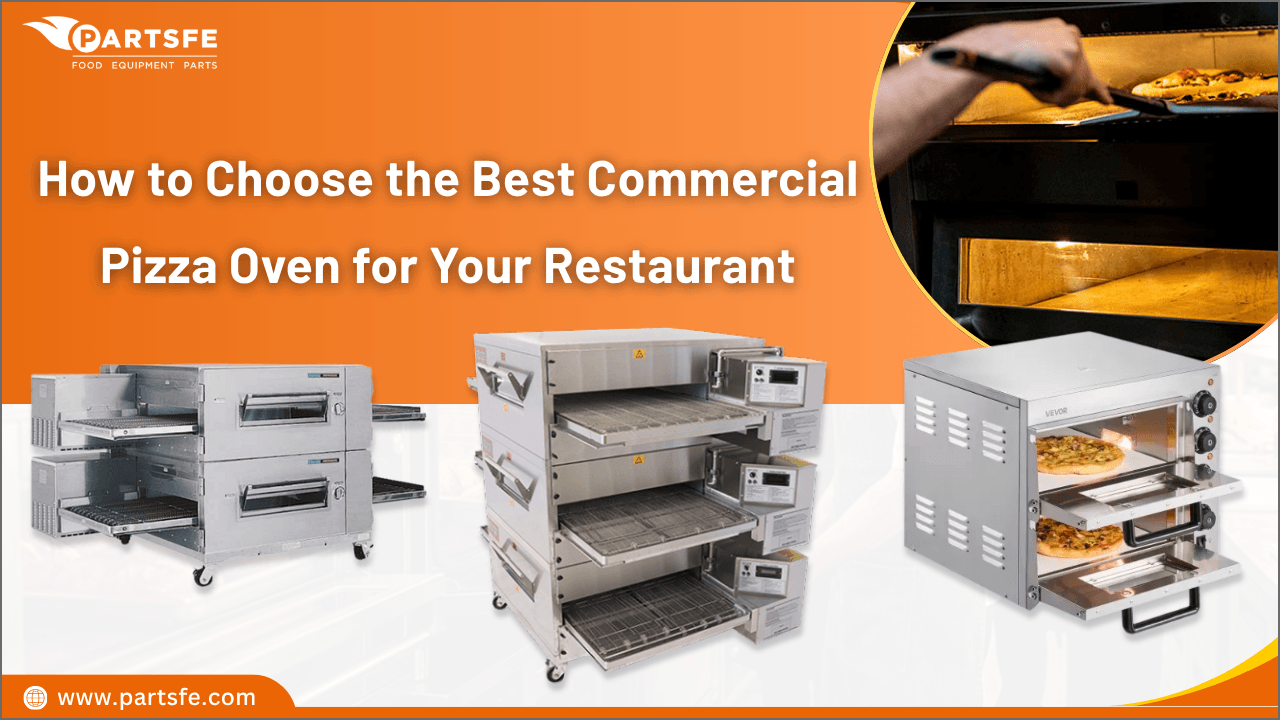
How to Choose the Best Commercial Pizza Oven for Your Restaurant
Choosing a commercial pizza oven is a major equipment investment for any restaurant that serves pizza. The right oven affects cooking capacity, bake quality, and service speed, making it an important part of daily kitchen operations. Since different ovens are built for different production demands, selecting the right model requires more than simply comparing prices or sizes.
Restaurants vary in the number of pizzas they prepare, the style of pizza they serve, and the space available in the kitchen. An oven that works well for a busy pizzeria may not be suitable for a café or full-service restaurant. Understanding the strengths of each oven type can help you select equipment that matches your menu and workload while simplifying maintenance and future replacement of commercial oven parts.
This blog covers commercial pizza oven types, key features, and tips for choosing the right model for your restaurant.
Why Choosing the Right Commercial Pizza Oven Matters for Restaurant Success
A commercial pizza oven plays a significant role in daily restaurant operations. Beyond baking pizzas, it influences production capacity, product consistency, and the ability to keep up with customer demand during busy service periods. Since every restaurant has different menu requirements, order volumes, and kitchen layouts, selecting the right oven is an important step in building an efficient pizza operation.
Why the Right Pizza Oven Matters
-
Supports daily pizza production requirements
-
Promotes consistent baking results across orders
-
Maintains service speed during peak hours
-
Accommodates different pizza styles and menu requirements
-
Fits available kitchen space and layout considerations
-
Influences energy consumption and operating costs
-
Supports efficient kitchen operations
Choosing a pizza oven that aligns with your restaurant's production needs and service expectations can help ensure reliable performance throughout the day.
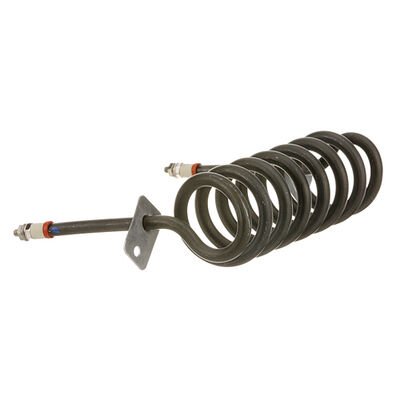
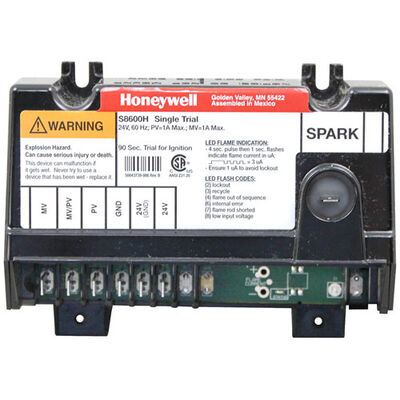
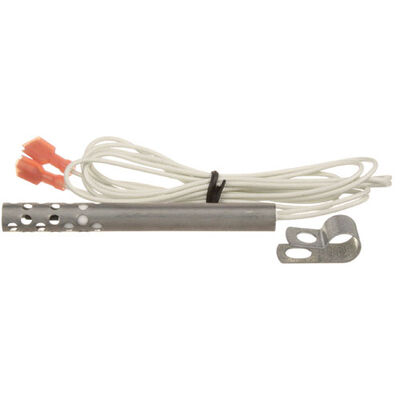
Shop high-quality commercial kitchen equipment parts at PartsFe to keep your pizza ovens running efficiently. Find quality replacement parts like igniters, thermostats, heating elements, and control boards for consistent performance and reduced downtime.
What Are the Different Types of Commercial Pizza Ovens?
Commercial pizza ovens are designed to meet a wide range of production requirements, cooking styles, and kitchen configurations. Each oven type offers distinct characteristics that can influence baking performance, output capacity, and overall kitchen operations. Understanding these differences can help restaurants compare available options more effectively.
The table below compares commercial pizza ovens based on temperature range, bake time, cost, and key advantage.
|
Pizza Oven Type |
Typical Temperature Range |
Average Bake Time |
Approx. Price Range |
Key Advantage |
|
Conveyor Oven |
450°F–600°F (232°C–315°C) |
4–7 minutes |
$3,000 – $25,000+ |
Delivers consistent results with minimal supervision |
|
Deck Oven |
550°F–700°F (288°C–370°C) |
4–8 minutes |
$3,000 – $20,000+ |
Produces traditional-style pizzas with crispy crust |
|
Wood-Fired Oven |
700°F–900°F (370°C–482°C) |
3–5 minutes |
$2,000 – $12,000+ |
Creates authentic smoky flavor and artisan-style pizzas |
|
Convection Oven |
300°F–500°F (204°C–260°C) |
8–10 minutes |
$1,000 – $5,000 |
Versatile cooking for pizzas and other menu items |
|
Countertop Oven |
400°F–600°F (204°C–315°C) |
5–10 minutes |
$500 – $3,000 |
Compact design suitable for small kitchens |
Each oven type offers unique advantages, making it important to choose a model that aligns with your restaurant's production requirements and menu offerings.
Key Features to Look for in a Commercial Pizza Oven
Commercial pizza ovens vary in size, performance, and functionality, making it important to evaluate key features before making a purchase. Factors such as production capacity, temperature control, energy usage, and maintenance requirements can influence which oven is best suited for your restaurant.
Temperature Range and Maximum Heat Output
The maximum temperature an oven can achieve determines the type of pizza you can produce. Traditional Neapolitan pizzas require temperatures between 800°F and 900°F and cook in 60–90 seconds. New York-style pizzas typically bake at 550°F–700°F, while thick-crust and pan pizzas often require lower temperatures and longer bake times.
If your menu includes artisan or Neapolitan pizzas, choose an oven capable of reaching at least 800°F. Purchasing an oven with insufficient heat capacity can limit menu options and affect crust texture.
Recovery Time Between Bakes
Recovery time refers to how quickly the oven returns to its set temperature after pizzas are loaded or removed. During peak service hours, poor recovery times can result in longer cook times and inconsistent product quality.
Look for ovens with:
-
High-BTU burners (gas models)
-
Powerful heating elements (electric models)
-
Superior insulation
-
Thick baking decks that retain heat
Fast temperature recovery is especially important for high-volume pizzerias.
Cooking Surface Material
The baking surface directly affects crust texture and heat transfer.
Common deck materials include:
-
Cordierite stone: Provides even heat distribution and excellent crust development.
-
Ceramic decks: Retain heat well and produce crisp bottoms.
-
Steel decks: Heat quickly but may not create the same artisan crust characteristics as stone surfaces.
For authentic pizza production, stone or ceramic cooking surfaces generally deliver the best results.
Production Capacity
Evaluate how many pizzas the oven can produce per hour rather than simply considering its physical size.
Ask:
-
How many pizzas fit in the oven simultaneously?
-
What is the average cook time?
-
What is the hourly output during peak periods?
For example:
-
Small countertop ovens may produce 15–30 pizzas per hour.
-
Mid-sized deck ovens often produce 50–100 pizzas per hour.
-
Conveyor ovens can exceed 150 pizzas per hour.
Choose capacity based on projected sales volume, not current demand alone.
Independent Temperature Zones
Multiple cooking chambers or independently controlled deck sections provide greater flexibility.
This allows operators to:
-
Cook different pizza styles simultaneously.
-
Run one chamber during slow periods to save energy.
-
Prepare appetizers, flatbreads, and other menu items at different temperatures.
Independent temperature control improves efficiency and menu versatility.
Energy Efficiency and Insulation
Poor insulation leads to heat loss, increased energy consumption, and uncomfortable kitchen conditions.
Look for:
-
Double-wall construction
-
High-density insulation
-
Sealed doors
-
Energy-efficient burners or heating elements
Well-insulated ovens maintain stable temperatures while reducing utility expenses over the life of the equipment.
Digital Controls and Programmable Settings
Modern commercial pizza ovens often include programmable controls that allow operators to save recipes and cooking profiles.
Useful features include:
-
Digital temperature displays
-
Programmable bake times
-
Multi-stage cooking programs
-
Automatic shutoff functions
-
Diagnostic alerts
These features improve consistency and reduce operator error.
Ventilation Requirements
Ventilation requirements can significantly impact installation costs.
Before purchasing, determine:
-
Whether a Type I hood is required
-
Available kitchen ventilation capacity
-
Local code requirements
-
Utility connections needed
Some ventless commercial pizza ovens can reduce installation expenses and offer more placement flexibility.
Explore How the Revolutionary Combi Oven is Shaping Culinary Trends and helping commercial kitchens improve cooking efficiency, consistency, and menu versatility.
Choosing the Best Pizza Oven Based on Your Restaurant Type
The best commercial pizza oven depends on how your restaurant operates, the volume of pizzas you serve, and the style of pizza on your menu. Since every foodservice business has unique requirements, comparing oven types based on your restaurant concept can help simplify the selection process.
Traditional Pizzerias
Traditional pizzerias that focus primarily on pizza production typically benefit from deck ovens or stone-hearth ovens. These ovens provide direct heat transfer to the crust, creating the crisp texture and even browning customers expect from classic pizzas.
Deck ovens are particularly suitable for:
-
New York-style pizzas
-
Artisan pizzas
-
Hand-tossed crusts
-
Specialty pizza menus
Because they allow operators to adjust pizza placement within the oven, deck ovens offer greater control over the final product compared to automated systems.
High-Volume Pizza Chains
Restaurants serving hundreds of pizzas daily often rely on conveyor ovens. These ovens automate the cooking process by moving pizzas through a heated chamber at a consistent speed.
Benefits include:
-
Consistent results across multiple locations
-
Reduced staff training requirements
-
Faster production during peak hours
-
Higher hourly output
Conveyor ovens are ideal for delivery-focused operations and franchise restaurants where speed and consistency are top priorities.
Fine Dining and Artisan Restaurants
Restaurants emphasizing premium ingredients and authentic pizza-making techniques often choose wood-fired or stone-hearth ovens. These ovens can reach temperatures above 800°F, producing a crisp exterior and light, airy crust within minutes.
Wood-fired ovens are best suited for:
-
Neapolitan pizza programs
-
Open-kitchen concepts
-
Upscale dining experiences
-
Restaurants seeking authentic flavor profiles
In addition to cooking performance, they create a visual centerpiece that enhances the guest experience.
Small Cafes and Quick-Service Restaurants
Operations with limited kitchen space often benefit from compact countertop pizza ovens. These units require less floor space while still providing sufficient capacity for moderate pizza sales.
They work well for:
-
Cafes
-
Sandwich shops
-
Convenience stores
-
Small quick-service restaurants
Countertop models allow operators to add pizza to the menu without investing in large-scale kitchen renovations.
Food Trucks and Mobile Pizza Businesses
Mobile operations require ovens that balance performance with space and power limitations. Compact gas-fired or portable stone-hearth ovens are commonly used because they heat quickly and fit within restricted layouts.
Important considerations include:
-
Footprint size
-
Fuel efficiency
-
Heat-up time
-
Weight and portability
Selecting the right oven helps food truck operators maintain quality while maximizing available workspace.
Restaurants with Diverse Menus
Restaurants that serve pizza alongside baked pasta, sandwiches, flatbreads, and appetizers should consider versatile deck or convection pizza ovens. These ovens can handle multiple menu items while maintaining consistent cooking performance.
A versatile oven helps operators:
-
Maximize equipment utilization
-
Reduce the need for additional cooking equipment
-
Improve kitchen workflow
-
Expand menu offerings without significant capital investment
Selecting an oven based on your restaurant's service style and production requirements can help ensure the equipment supports your menu and operational goals. A well-matched oven can contribute to consistent results and a more efficient pizza-making process.
Discover From Oven to Serve: Experience Pizza in Minutes with Moduline’s HHF Multifunction Holding Systems for faster service and consistent food quality.
Summary: Finding the Best Commercial Pizza Oven for Long-Term Performance
Choosing the right commercial pizza oven is important for maintaining consistent pizza quality and smooth kitchen operations. Each oven type offers different strengths in terms of cooking performance, speed, and cost, so the best choice depends on your restaurant’s menu, production needs, and kitchen setup.
Before finalizing a purchase, it is important to compare key factors like temperature range, bake time, and investment cost. Careful evaluation helps ensure the oven supports both daily operations and long-term business goals.
Key Takeaways
-
Different ovens suit different cooking styles and production levels.
-
Temperature range, bake time, and cost are key comparison factors.
-
The right oven improves consistency and kitchen efficiency.
-
Matching the oven to your restaurant type ensures better results.
-
Careful selection leads to a more reliable long-term investment.
FAQs
Are deck ovens better than conveyor pizza ovens?
Deck ovens suit traditional pizza styles with better crust quality, while conveyor ovens are better for high-volume kitchens needing speed and consistent output.
How much does a commercial pizza oven cost?
Commercial pizza ovens range from about $500 for small countertop models to $15,000+ for large conveyor or specialized ovens, depending on type, size, and features.
What size pizza oven does a restaurant need?
It depends on peak demand and menu volume. Small cafés need compact ovens, while busy pizzerias require larger units for multiple pizzas during peak hours.
Do gas or electric pizza ovens cook better?
Gas ovens heat faster and suit high-volume cooking, while electric ovens offer more stable temperature control and are easier to install in many kitchen setups.
How long do commercial pizza ovens last?
A well-maintained commercial pizza oven typically lasts 8 to 15 years or more, depending on usage, build quality, cleaning practices, and operating conditions.
|
Disclaimer: This blog is for informational purposes only and provides general information about commercial pizza ovens, including types, features, and use cases. Specifications and pricing may vary by oven type, brand, and model. |