How Smart Pump Technology Reduces Downtime in Commercial Dishwashers in 2026
In a busy commercial kitchen, every minute counts, and dishwasher downtime can throw off service, stress staff, and slow operations. Chefs and managers need equipment that keeps up with high-volume demands without constant monitoring or emergency repairs. Preventive maintenance solutions are essential to avoid costly interruptions and ensure smooth workflow.
Smart pump technology is revolutionizing commercial dishwashers in 2026. By adjusting water flow, monitoring performance, and predicting maintenance needs, these systems enhance commercial dishwasher efficiency, reduce downtime, and maintain consistent cleaning quality, allowing chefs to focus on cooking and managing the kitchen instead of troubleshooting equipment.
Why Smart Pump Technology Is Essential for Commercial Dishwashers in 2026
Commercial kitchens are evolving faster than ever, and dishwashing is no longer just a back-of-house chore. Smart pump technology is becoming a game-changer for efficiency, hygiene, and operational insight.
Key Features of Smart Pump Technology:
-
Adaptive Cleaning Based on Load Composition: Smart pumps detect dish type and soil level, adjusting water pressure and cycle intensity automatically.
Example: Bits of meat, starch, or sauces that aren’t pre-scraped can stick to dishes, but adaptive cleaning ensures they are fully removed without extra cycles. -
Predictive Wear Analysis: By monitoring motor strain and micro-vibrations, smart pumps forecast part fatigue and schedule maintenance proactively.
Example: Heavy grease and oil buildup on pots or pans can stress components, but predictive analysis prevents unexpected breakdowns during peak service. -
Real-Time Contamination Alerts: Sensors monitor water clarity and residue mid-cycle to prevent soil redeposition.
Example: Hard water minerals or protein films from eggs and dairy are detected before they settle, keeping dishes and glassware spotless. -
Integration with Kitchen Workflow Software: Dishwashers sync with POS and inventory systems to optimize cycle timing around busy service periods.
Example: Separates heavily soiled items from lightly soiled plates to prevent cross-contamination and improve overall cleaning efficiency. -
Extended Lifecycle Through Self-Optimization: Pumps adjust operating parameters to reduce mechanical stress and extend equipment life.
Example: Ensures detergent fully dissolves and rinse aids function properly, preventing soil redepositing and minimizing the need for repeat washes.
How Smart Pumps Reduce Downtime, Ensure Spotless Dishes, and Save Energy in High-Volume Kitchens
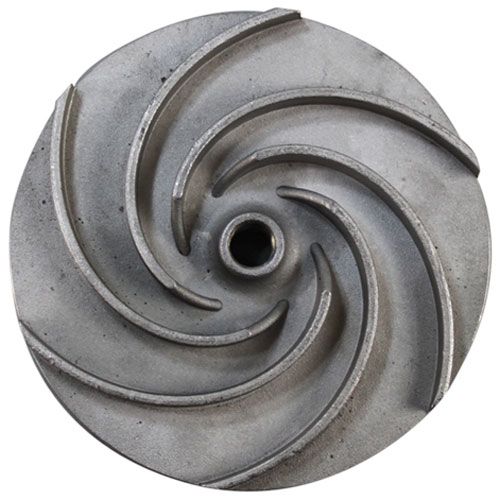
Smart pump technology keeps high-volume kitchens running efficiently and reduces unexpected downtime. A drain pump in a dishwasher ensures spotless, germ-free dishes in professional kitchens, delivering every plate and utensil that meets strict hygiene standards while saving energy.
Key Functions of Smart Pumps for High-Volume Kitchens:

|
Tip: Monitor water and energy consumption to cut waste while maintaining cleaning quality. Use silent modes to create a quieter, stress-free kitchen. |
Explore 11 essential commercial dishwasher maintenance tips to avoid downtime and ensure spotless, hygienic results in high-volume kitchens.
How Smart Pumps Detect Issues Before Equipment Failure
Smart intelligent pump systems in commercial dishwashers do more than clean dishes; they actively monitor performance to detect potential problems before they turn into costly downtime.
Common Issues Detected by Smart Pumps:
-
Overloading the Dishwasher: Smart pumps sense when too many dishes are loaded or spray arms are blocked, preventing water circulation problems and avoiding leaks or spills.
-
Clogged or Dirty Filters: Sensors detect back pressure from food particles in filters or drains, alerting staff before water backs up onto the floor.
-
Faulty Door Seals or Gaskets: Pumps monitor water containment, identifying worn seals that could cause leakage under high-pressure cycles.
-
Incorrect Detergent or Excess Soap: Suds sensors detect over-foaming, preventing overflow from too much detergent and keeping operations safe.
-
Pump or Spray Arm Issues: Smart systems track circulation efficiency and spray arm alignment, flagging broken or misaligned components before they disrupt cleaning.
-
Improper Loading of Tall or Oddly Shaped Items: Sensors can detect items blocking doors or spray paths, reducing the risk of water spillage.
-
Drain or Plumbing Problems: Flow monitoring identifies slow or blocked drains, preventing pooling and overflow.
-
Excessive Water Pressure: Incoming water pressure is monitored to ensure it remains within safe limits, thereby avoiding system stress and leaks.
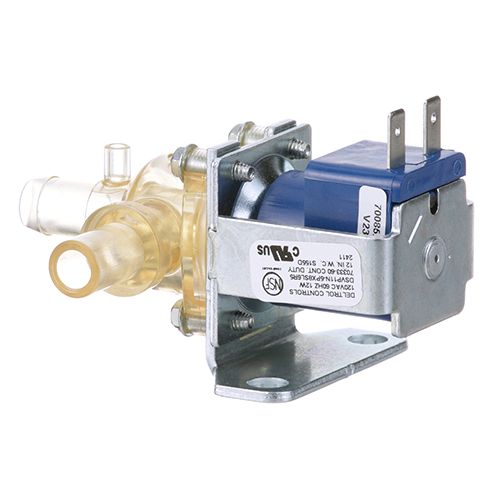
Performance Tip: Install your commercial dishwasher with correct water pressure, drain slope, electrical connections, and solenoid valves. Proper setup keeps the smart pump efficient, prevents leaks or backflow, and avoids downtime. This ensures smooth workflow, spotless dishes, and minimal maintenance.
Operational Benefits of Smart Pump Technology for Commercial Kitchens
Smart pump technology isn’t just about cleaning dishes—it fundamentally transforms kitchen operations by anticipating inefficiencies, protecting equipment, and streamlining high-volume service.
Key Operational Advantages of Smart Pumps:
|
Operational Benefit |
How It Works |
Practical Impact for Kitchens |
|
Self-Calibrating Flow Adjustments |
Detects subtle shifts in load distribution or water resistance and auto-calibrates spray coverage. |
Ensures every dish is cleaned evenly, even with mixed loads, reducing repeat washes. |
|
Early Biofilm Detection |
Monitors water turbidity and temperature fluctuations to spot early microbial buildup. |
Keeps dishes germ-free, maintaining hygiene standards without extra manual inspection. |
|
Load Pattern Learning |
Learns kitchen usage trends to optimize cycle sequencing during peak hours. |
Prevents bottlenecks and ensures dishwashing keeps pace with high-volume service. |
|
Partial Cycle Recovery |
Allows interrupted cycles (door openings, power fluctuations) to resume mid-cycle. |
Saves time and avoids redoing full cycles, improving operational efficiency. |
|
Micro-Pressure Compensation |
Detects minor pressure variations from scaling, partial clogs, or water supply inconsistencies. |
Maintains consistent cleaning performance across all racks, avoiding spots or residue. |
|
Dynamic Evaporation Control |
Adjusts flow and temperature to reduce excess steam inside the dishwasher. |
Minimizes condensation on surrounding surfaces, improving staff safety and comfort. |
|
Energy Spike Prevention |
Monitors instantaneous power draw to prevent sudden spikes. |
Protects dishwasher components and electrical systems, reducing maintenance risks. |
|
Silent Operational Modes |
Fine-tunes flow to reduce vibration and noise. |
Creates a quieter kitchen environment, reducing stress during peak service. |
Best Practice: Use self-calibration and load-pattern learning to optimize dishwashing cycles. Regularly check pressure and flow to ensure spotless, germ-free results. Leverage biofilm detection and partial cycle recovery to maintain hygiene and reduce downtime. Keep an eye on energy use to protect equipment.
Find out how built-in top control dishwashers use Microban technology to keep dishes germ-free and maintain a hygienic kitchen effortlessly.
Summary: The Future of Downtime-Free Commercial Dishwashing
The future of commercial dishwashing is shifting toward intelligence, adaptability, and anticipation. Smart pump technology allows kitchens to predict challenges before they arise, maintain consistent hygiene, and optimize operations in high-volume environments. By leveraging advanced monitoring and adaptive controls, chefs and kitchen managers can focus on service quality and efficiency rather than constantly troubleshooting dishwashing issues.
Key Takeaways:
-
Pumps adjust water and detergent flow in real time based on dish type and soil level, reducing waste and ensuring precision cleaning.
-
Fine-tuned flow minimizes vibration and noise, creating a calmer, safer kitchen environment during peak service.
-
Water temperature is maintained precisely even under fluctuating conditions, preventing microbial buildup and ensuring hygiene.
-
The system adapts to brief interruptions like door openings or slow water supply without restarting cycles, saving time and resources.
-
Sensors detect micro-strain and mechanical stress early, enabling preventive maintenance before unexpected downtime occurs.
-
Smart flow adjustments reduce excess steam, protecting staff and kitchen surfaces while improving operational safety.
Looking for commercial dishwashers for your restaurant or high-volume kitchen? Shop top-quality replacement parts and accessories for restaurant equipment from PartsFe. We offer drain pumps, spray arms, filters, gaskets, detergent dispensers, cleaning tablets, and descaling agents with fast shipping to keep your high-volume kitchen running efficiently and your dishes spotless every time.
References:
https://www.activeelement.org/selecting-a-commercial-dishwasher/
https://www.energystar.gov/products/commercial_dishwashers
https://www.energy.gov/femp/purchasing-energy-efficient-commercial-dishwashers
FAQs
How many GPM does a commercial dishwasher use?
Requirements for machine size can be calculated by estimating the amount of traffic that will be served in a facility's food service area. Most dishwashers use between 2.0 and 7.0 gallons per minute (gpm) for a complete cycle of cleaning and sanitation.
Why are smart pumps worth the investment for small and large restaurants?
Even small operations benefit from less disruption and better efficiency, while larger operations see bigger absolute savings due to high usage, making smart pumps a valuable long-term investment.
Are smart pump upgrades easy to retrofit on existing dishwashers?
Retrofitting depends on the dishwasher model and control system. Some units allow sensor and pump upgrades, but others may need professional assessment to ensure compatibility and maintain warranty coverage.
How much does it cost to install a smart pump commercial dishwasher?
Installation costs vary depending on machine size, plumbing, and electrical requirements. Basic units may require $500–$1,500 for installation, while high-capacity conveyor dishwashers with advanced pumps can cost several thousand dollars.