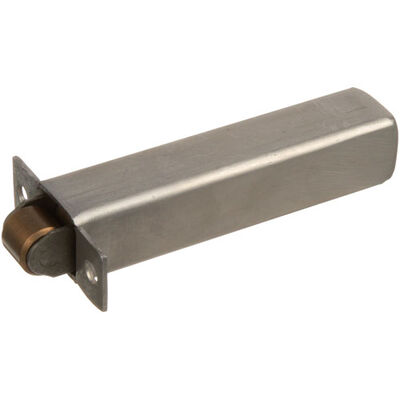
How to Clean and Maintain Your Bradley Eyewash Station for Peak Safety
A clean and well-maintained Bradley eyewash station is vital in any commercial kitchen, where accidents with hot oils, cleaning chemicals, and sharp tools can happen in an instant. In such fast-paced environments, having a fully functional eyewash station can prevent minor injuries from turning into serious problems. Over time, grease, dust, and mineral buildup can reduce its effectiveness; therefore, regular attention is essential to ensure it remains ready for use. Proper maintenance doesn’t have to be complicated. Regularly flushing the unit, checking Bradley eyewash station parts for damage, and following the manufacturer’s instructions helps ensure it works perfectly when needed. With consistent care, your Bradley eyewash station becomes a dependable safety feature, protecting staff and ensuring kitchen safety standards are maintained.
Why Regular Cleaning of Bradley Eyewash Stations Matters for Workplace Safety
Commercial kitchens face unique safety challenges, from hot oils to cleaning chemicals. Properly maintained Bradley eyewash stations ensure staff are protected when accidents happen.
-
Prevent Bacterial Growth in High-Use Environments: Kitchens are naturally humid and messy. Regular cleaning prevents bacteria or mold from accumulating in the station.
-
Ensure Instant Operation During Emergencies: A clogged or malfunctioning eyewash station can lead to severe eye injuries. Routine checks keep it ready for immediate use.
-
Maintain Compliance with Health & Safety Standards: Weekly inspections and maintenance help meet OSHA and ANSI requirements, essential for commercial kitchen operations.
-
Protect Your Investment: Regular cleaning prevents corrosion, mineral buildup, and chemical damage, helping it last longer.
-
Promote a Safety-First Kitchen Culture: A clean, fully functional station shows staff that their well-being is a top priority.
-
Minimize Risk of Workplace Accidents: Properly maintained eyewash stations reduce the risk of secondary injuries during emergency use.
-
Ensure Proper Functionality: Weekly inspections help confirm correct water flow, pressure, and temperature, as recommended by OSHA and ANSI standards.
Regular cleaning and maintenance of Bradley eyewash stations in commercial kitchens is essential for protecting staff, ensuring compliance, and keeping operations running smoothly.
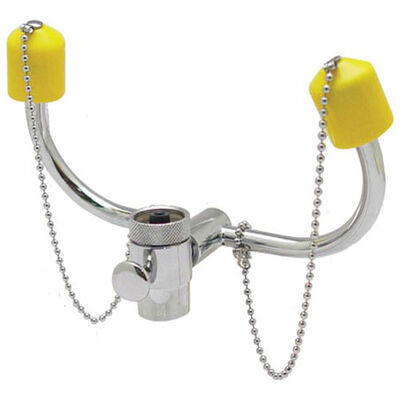
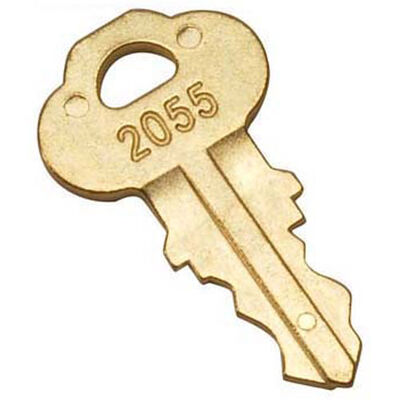
Looking to keep your eyewash station safe and fully functional? PartsFe offers essential parts like yellow plastic dust cap, liquid soap valve, and replacement dispenser keys from Lincoln, Henny penny and Vulcan Hart maintain peak safety and ensure your eyewash station is ready for emergencies with genuine, high-quality parts from PartsFe.
Essential Tools and Supplies for Cleaning a Bradley Eyewash Station
Maintaining a Bradley eyewash station requires the right tools and cleaning kit to keep it safe and ready for use.
Cleaning Tools
-
Soft-bristle brushes or toothbrushes for scrubbing small parts
-
Use microfiber cloths or lint-free wipes to clean surfaces.
-
A bucket or tray to hold cleaning solutions
-
Adjustable wrench for removing spray heads
-
Non-abrasive sponge to avoid damaging components
Cleaning Solutions & Sanitizers
-
Mild dish soap or neutral pH cleaner for routine cleaning
-
OSHA-approved sanitizer for disinfecting
-
White vinegar or descaling solution for mineral buildup
-
Warm water for rinsing and flushing
Safety Gear
-
Nitrile or latex gloves to protect hands from chemicals
-
Safety goggles to shield eyes during cleaning
-
Aprons or chemical-resistant clothing for full protection
Optional Replacement Parts
-
Replacement spray heads for worn or damaged units
-
Flow control washers to maintain proper water pressure
-
Dust covers to keep the unit clean between uses
-
O-rings or gaskets for sealing connections
-
Anti-scald valves for tempering systems to ensure safe water temperature
Having these tools and supplies ready ensures your eyewash station is thoroughly cleaned, sanitized, and ready for use whenever an emergency arises.
Step-by-Step Process to Clean and Sanitize Bradley Eyewash Stations
Proper cleaning of Bradley eyewash stations ensures reliability. Following a clear step-by-step eyewash station cleaning procedure maintains safety and hygiene.
Step 1: Create a Controlled Cleaning Zone
Place a barrier or cone around the station and a mat underneath to catch water and debris.
Step 2: Pre-Rinse to Loosen Deposits
Run the eyewash for 10–15 seconds to flush dust, grease, or stagnant water. Collect the initial runoff to check for debris or discoloration.
Step 3: Remove Spray Heads Carefully
Detach spray heads, valves, and covers. Inspect threads, washers, and nozzles for wear. Keep small parts on a magnetic tray.
Step 4: Deep-Soak Components
Soak spray heads and valves in warm soap-water with a bit of vinegar for 15–20 minutes. Use a soft brush to scrub nozzle tips and crevices.
Step 5: Flush and Sanitize Internals
Run warm water through the system, then flush with an approved sanitizer. Tilt spray heads slightly to avoid air pockets.
Step 6: Micro-Surface Scrubbing
Use a toothbrush or micro brush to clean under spray head hoods, around seals, and mounting brackets.
Step 7: Rinse and Inspect
Rinse thoroughly and check for mineral deposits. Swirl nozzles in the rinse water to detect trapped debris.
Step 8: Reassemble With Precision
Reattach components, aligning O-rings and washers. Hand-tighten first, then lightly secure with a wrench.
Step 9: Test Flow and Spray Pattern
Run for 1–2 minutes to ensure consistent flow, full coverage, and safe temperature.
Step 10: Weekly Activation
Flush weekly to prevent stagnation and keep water lines clear. Log the date and inspector’s name.
Tip: Keep a small maintenance log and include notes on unusual debris or slow flow. This helps spot issues before they become problems.
Check out how to replace a commercial dishwasher water inlet valve to keep your kitchen running smoothly.
Preventive Maintenance Checklist to Keep Bradley Eyewash Stations Inspection-Ready
Preventive maintenance goes beyond routine flushing and cleaning it ensures your Bradley eyewash station is ready to perform in an emergency while extending equipment lifespan. Implementing a structured schedule protects staff and helps meet regulatory standards.
Weekly Tasks
-
Activate the eyewash for 1–3 minutes to eliminate stagnant water and bacteria
-
Verify the water flow is consistent and reaches both eyes effectively
-
Check that the surrounding floor is slip-free and free of debris
-
Ensure dust covers or protective caps are intact and undamaged
Monthly Tasks
-
Conduct a gentle deep-clean of spray heads, nozzles, and bowls, paying attention to hidden corners and crevices
-
Inspect valves, O-rings, and seals for wear, corrosion, or leakage
-
Confirm that station lighting is adequate and emergency signage is clearly visible
-
Review that the instructions for use are legible and up to date
Quarterly or Semiannual Tasks
-
Test thermostatic or tempering valves for proper water temperature control
-
Examine plumbing lines for blockages, leaks, or mineral buildup
-
Document all inspections, maintenance, and repairs to create a reliable audit trail
Tip: Periodically rotate the water source or flush connected lines using an eyewash station cleaning solution to reduce biofilm buildup, an often-overlooked factor in eyewash safety.
Explore DIY home repair: how to clean and replace a dishwasher drain pump to keep your appliance running efficiently and prevent costly repairs.
Common Bradley Eyewash Station Issues and How to Fix Them Quickly
Even well-maintained Bradley eyewash stations can face issues that affect safety and performance. Promptly cleaning an eyewash station and resolving problems ensures the unit remains fully functional and ready for emergencies.
|
Issue |
Cause / Hidden Factors |
Quick Fix |
|
Weak or uneven water flow |
Clogged spray heads, low water pressure, or partially closed valves |
Soak spray heads in descaler, flush piping, check valves, test flow |
|
Missing or damaged dust covers |
UV damage, chemical exposure, or frequent handling |
Replace with Bradley covers, keep spares, inspect weekly |
|
Water too hot or too cold |
Faulty tempering valves, seasonal water changes, or poor pipe insulation |
Recalibrate or replace valves, insulate pipes, and maintain 60–100°F |
|
Leaking valves or connections |
Corrosion, worn gaskets, or micro-fractures |
Tighten fittings, replace gaskets or corroded parts, test for leaks |
|
Rust or mineral buildup |
Hard water, chemical exposure, infrequent flushing |
Descale spray heads and bowl, scrub, flush weekly |
|
Sticking or hard-to-activate handles |
Dirt, mineral deposits, or a worn mechanism |
Clean, lubricate, replace worn parts, cycle weekly |
|
Obstructed access or poor visibility |
Clutter, dim lighting, or workplace changes |
Clear 10-second path, remove obstacles, add signage and lights |
Conclusion: Keeping Your Bradley Eyewash Station Clean, Reliable, and Safety-Ready
Maintaining a Bradley eyewash station is essential for employee safety and regulatory compliance. Knowing how to use the Bradley eyewash station properly, along with regular cleaning, preventive maintenance, and prompt fixes, ensures it works effectively during emergencies. A well-kept eyewash station also extends its lifespan and reduces unexpected repair costs.
Key Takeaways:
-
Clean and sanitize the eyewash station weekly or per ANSI/OSHA guidelines.
-
Inspect spray heads, valves, and dust covers regularly for wear or damage.
-
Flush the system periodically to prevent mineral buildup and microbial growth.
-
Ensure the station is accessible, clearly marked, and free from obstructions.
-
Keep detailed maintenance logs for inspections and compliance audits.
-
Test the activation handle and water flow regularly to ensure proper operation.
-
Replace worn or damaged parts immediately to avoid emergency failures.
Consistent care and monitoring keep your Bradley eyewash station reliable and ready for emergencies. By following proper cleaning and maintenance practices, you protect your team and maintain a safe, compliant workplace. Regular attention not only prevents malfunctions but also ensures peace of mind, knowing your safety equipment will perform when it matters most.
FAQs
How often should an eyewash station be cleaned?
Eyewash stations should be cleaned and sanitized at least once a week to prevent the buildup of bacteria and debris. Regular maintenance ensures the station functions properly during emergencies.
What is the OSHA rule for eyewash stations?
OSHA requires that emergency eyewash stations be immediately accessible and provide a continuous flow of clean water. Stations must comply with ANSI/ISEA Z358.1 standards for proper performance and safety.
How long does it take to flush eyewash stations?
ANSI standards recommend flushing eyewash stations for at least 15 minutes during an emergency. Routine weekly flushing for 1–3 minutes helps remove stagnant water and maintain system hygiene.
What is the OSHA checklist for eyewash inspection?
The OSHA checklist includes verifying water flow, temperature, accessibility, and proper signage. Inspect spray heads, dust covers, valves, and document all maintenance and testing activities.