Manitowoc Ice Machine Cleaning Explained: Best Practices for Hygiene & Efficiency
A commercial ice maker from Manitowoc is made of stainless-steel and plastic. It's quick to scrub dirt and grime off the unit, but you still want to make sure you clean up dangerous microorganisms that can make people sick.
Manitowoc ice machines are essential in high-volume commercial kitchens, producing large amounts of ice daily for restaurants, bars, hotels, and hospitals. Without proper maintenance, these machines can accumulate bacteria, mold, and mineral scale, which affects ice quality and poses health risks.
Understanding the right cleaning techniques is crucial for keeping ice hygienic and machines running efficiently. In this guide, we explain step-by-step Manitowoc ice machine cleaning procedures, share best practices for long-term hygiene, highlight common mistakes to avoid, and provide tips for maintaining consistent ice production and peak performance.
Why Regular Manitowoc Ice Machine Maintenance Improves Efficiency
Manitowoc ice machines are built for constant ice production, but efficiency drops if neglected. Regular maintenance prevents downtime and hidden issues, keeping ice clean, safe, and consistent. This also ensures the machine operates smoothly and meets high-demand commercial kitchen needs.
Here’s How Regular Maintenance Boosts Efficiency:
-
Prevents Hidden Flow Restrictions: Debris or biofilm in water lines can reduce ice quality. Regular inspections remove blockages before they affect production.
-
Optimizes Sensor Accuracy: Sensors controlling water levels and ice thickness may drift over time. Cleaning and calibration keep output precise and consistent.
-
Reduces Microbial Hotspots: Drain pans and reservoirs can harbor bacteria even when the machine looks clean. Targeted cleaning keeps ice hygienic and odor-free.
-
Detects Subtle Mechanical Wear: Gears, belts, and motors can degrade silently, lowering efficiency. Routine checks catch minor issues before costly breakdowns.
-
Balances Energy Use and Output: A well-maintained machine produces ice with less strain. This lowers electricity use while keeping production steady.
-
Improves Ice Texture and Clarity: Scale buildup affects cube uniformity and clarity. Removing it ensures clear, slow-melting ice for drinks and food service.
-
Extends Predictable Production Cycles: Proper upkeep maintains consistent freeze and harvest cycles, critical for high-demand kitchens and catering services.
Regular focus on these factors ensures Manitowoc ice machines deliver reliable performance, efficient production, and hygienic ice in commercial kitchens.
Tired of dealing with ice machine issues and replacement parts that don’t last? Explore PartsFe, your trusted supplier of high-quality kitchen equipment spare parts for commercial restaurants at unbeatable prices. We stock water pumps, gaskets, evaporator plates, bin liners, and more from top brand Manitowoc, Hoshizaki, and more with fast shipping straight to your kitchen.
How to Clean Manitowoc Ice Machine: Step‑by‑Step Process
Proper cleaning of an ice machine involves removing hidden buildup, microbial hotspots, and scale to maintain ice quality and efficiency. Always consult your specific Manitowoc ice machine cleaning manual for guidance on any unique components or cleaning requirements.
Tools Required for Cleaning a Manitowoc Ice Machine:
-
Food-safe sanitizer
-
Descaling solution
-
Soft-bristled brushes
-
Small detail brushes
-
Non-abrasive scrubbing pads
-
Spray bottles
-
Buckets
-
Tubing brushes
-
Measuring cup
-
Microfiber cloths
-
Funnel
Step 1: Deep Soak Removable Parts
Remove components like bin liners, screens, and water distribution tubes, then soak them in a manufacturer-approved cleaner. Inspect for cracks or rough spots where bacteria can hide.
Step 2: Target Hidden Scale Areas
Apply descaling solution to evaporator plates, behind brackets, and inside water channels. Let the solution dwell to dissolve stubborn mineral deposits.
Step 3: Precision Scrubbing
Scrub all interior surfaces, paying attention to corners, seams, and under the ice maker head. Use soft brushes to avoid scratches that trap bacteria.
Step 4: Controlled Rinse
Rinse thoroughly with clean water, including tubing and hidden cavities. The ice maker water pump circulates water to form ice efficiently. Ensure no residue or cleaner remains to avoid contamination.
Step 5: Advanced Sanitization
Apply food-safe sanitizer to all surfaces and removable parts, especially gaskets and seals. Allow full contact time as per instructions without rinsing afterward.
Step 6: Reassembly and Performance Check
Reassemble all components, reconnect water and power, and run a short cycle. Check ice clarity and listen for unusual sounds to ensure proper operation.
Safety Note: Before beginning any maintenance or cleaning, switch off the power supply and disconnect the water line. Remove all ice and drain any remaining water from the unit. Always wear protective gloves and eye protection to reduce the risk of injury during the process.
Watch this video to learn simple ways to keep your ice machine clean and reliable while preventing bacterial growth.
Best Practices for Long‑Term Manitowoc Ice Machine Hygiene
Maintaining a Manitowoc ice machine in a high-volume commercial kitchen requires more than routine cleaning. Adopting proactive, less-known practices helps prevent hidden bacterial growth, reduces mechanical wear, and keeps ice quality consistently high. Follow the best practices outlined below for optimal efficiency.
1. Structured Cleaning Schedule:
-
Daily Checks: Remove small ice fragments stuck in augers or drain channels. Inspect water inlets for discoloration or sediment.
-
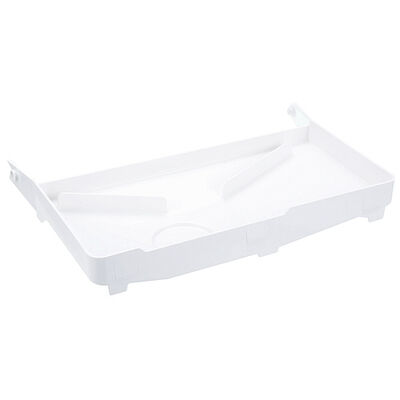
Weekly Maintenance: Wipe down exterior panels, accessible internal surfaces, and water reservoirs. Scrub gaskets and ice maker drip pans removes microbial buildup.
-
Monthly Deep Clean: Disassemble removable parts like ice distribution tubes, screens, and bin liners. Inspect and clean hidden crevices that often harbor bacteria.
-
Quarterly or Bi-Annual Service: Perform full descaling and deep sanitization. Replace gaskets, seals, and any worn tubing to prevent leaks and contamination.
2. Water Quality Optimization: Install sediment and carbon filters to trap micro-debris and chlorine, which can degrade internal components like the condenser, water pump, and evaporator plate. Monitor water hardness monthly; excessive minerals accelerate scale buildup, even with filters. Adjust or add water softeners if needed.
3. Inspections and Data Tracking: Keep a digital or paper log of all cleaning cycles, component replacements, and water quality checks. Perform visual inspections to catch early signs of microbial growth or scale that routine cleaning might miss.
4. Advanced Staff Training: Train staff on proper hand hygiene and safe ice-handling techniques to prevent cross-contamination. Show them how to remove ice without touching surfaces that contact food or beverages.
Pro Tip: Check behind evaporator brackets and under flanges quarterly. These hidden areas often accumulate biofilm before it becomes visible.
Common Manitowoc Ice Machine Cleaning Mistakes to Avoid
Even experienced operators can make errors that reduce cleaning effectiveness or cause hidden damage. Knowing these uncommon pitfalls ensures your maintenance keeps the ice machine safe, efficient, and reliable. Here are a few common mistakes to avoid.
-
Overlooking Hidden Biofilm Zones: Failing to clean behind evaporator brackets, under flanges, and inside tubing allows microbial biofilm to accumulate. These areas often go unnoticed but can impact ice quality and promote bacterial growth.
-
Using Excessive Water Pressure: High-pressure rinsing can force contaminants into tubing, sensors, or tight seals, creating hard-to-clean spots. Controlled, low-pressure rinses prevent damage while effectively flushing debris.
-
Neglecting Ice Harvest Mechanisms: Operators often skip checking the auger, harvest blades, or ice chute during routine cleaning. Residual ice fragments here can trap scale or biofilm, affecting ice consistency and clarity.
-
Inconsistent Water Treatment Monitoring: Ignoring changes in water hardness or chlorine levels leads to accelerated scale buildup even with regular cleaning. Monitoring water quality regularly prevents hidden mechanical strain and flavor issues.
-
Reassembly Without Function Checks: Putting parts back together without testing sensors, water flow, and ice clarity can mask hidden issues. Minor misalignments can reduce production efficiency or allow leaks that go unnoticed until major damage occurs.
Quick Staff Checklist:
-
Stick to Manitowoc-approved cleaners and sanitizers to protect machine components.
-
Avoid unapproved chemicals that can damage metal or sensors.
-
Rotate approved products occasionally to prevent residue buildup and maintain ice taste and clarity.
Find out 5 signs that indicate you need to clean or replace your ice machine.
Summary: Keeping Your Manitowoc Ice Machine Clean for Hygiene & Peak Performance
Maintaining your Manitowoc ice machine goes beyond routine cleaning; addressing hidden scale, biofilm, and sensor calibration is critical for reliable performance. Proactive maintenance ensures consistent ice clarity, prevents microbial growth in unseen areas, and reduces energy strain on the machine. Combined with staff training and data tracking, these measures help commercial kitchens maintain hygiene and peak ice production over the long term.
Key Takeaways:
-
Check and clean hidden crevices, drain pans, and tubing regularly to prevent unseen microbial growth.
-
Monitor sensor calibration and water flow to maintain even ice production and prevent mechanical strain.
-
Rotate approved cleaning solutions periodically to avoid residue buildup that affects ice quality.
-
Inspect ice harvest mechanisms and augers for trapped fragments that can harbor bacteria.
-
Track water hardness and adjust filtration or softening proactively to prevent scale before it forms.
-
Maintain a digital or physical log of inspections, deep cleaning, and part replacements to catch trends before they become problems.
FAQs
How do I run a clean cycle on a Manitowoc ice machine?
Fill the machine with manufacturer-approved cleaning solution and follow the specific clean cycle instructions in your model’s manual. Ensure all removable parts are soaked, scrubbed, and sanitized before restarting.
How often should a Manitowoc ice machine be cleaned?
Daily wipe-downs of accessible surfaces, weekly inspection of water and ice contact parts, and monthly or quarterly deep cleanings are recommended. High-volume commercial kitchens may require more frequent maintenance.
What cleaner to use on a Manitowoc ice machine?
Only use cleaners and sanitizers approved by Manitowoc for your specific model. Avoid household chemicals or acidic solutions that can damage seals, coatings, or sensors.
Can I run vinegar through my ice machine to clean it?
No, vinegar is not recommended as it can corrode metal components and void warranties. Always stick to Manitowoc-approved cleaning solutions for safe, effective results.
|
Disclaimer: This article provides general advice for the care and maintenance of Manitowoc ice machines in commercial settings. Users must follow their machine’s manual and recommended safety practices. |