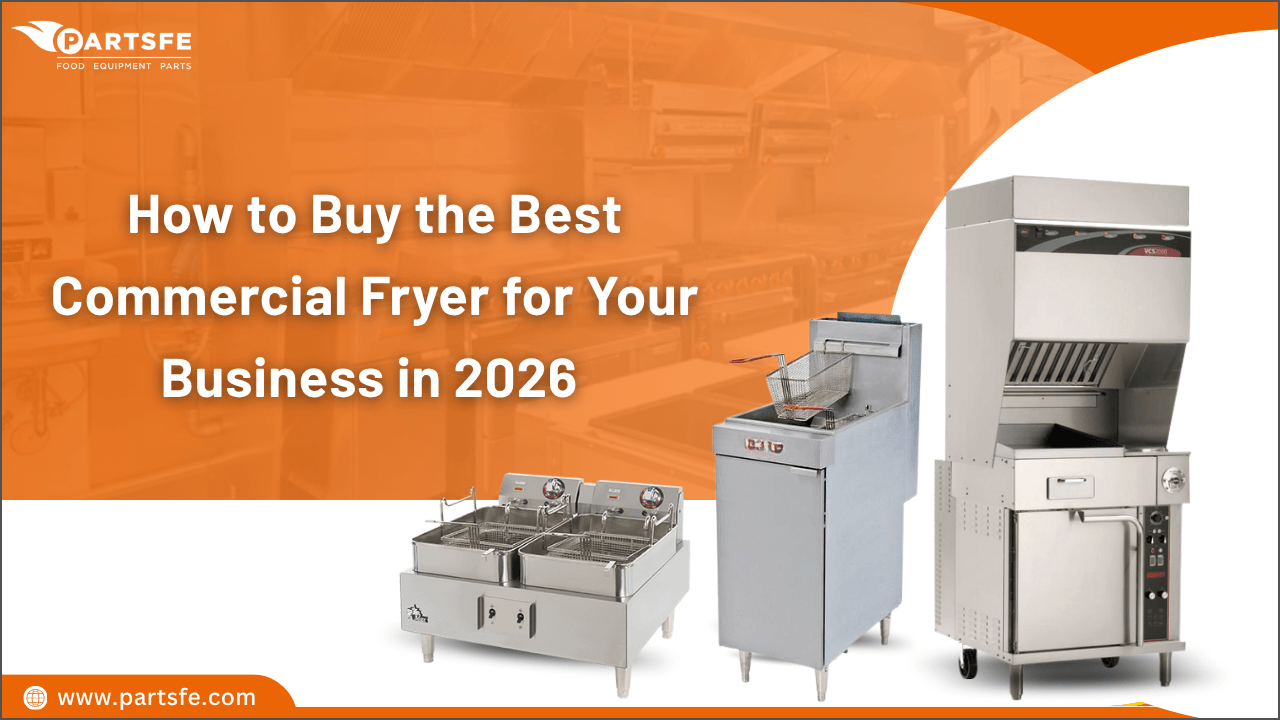
How to Buy the Best Commercial Fryer for Your Business in 2026
Choosing a commercial fryer is not just about comparing price tags. The right fryer affects cooking speed, food quality, oil usage, energy costs, kitchen space, and daily production. A busy restaurant may need a high-capacity floor fryer, while a café or food truck may benefit from a compact countertop model.
In 2026, businesses also have more options for energy-efficient, temperature-controlled, ventless, and specialized frying equipment. Before buying, consider your menu, expected food volume, available utilities, kitchen layout, ventilation, maintenance and replacement of fryer components, and long-term operating costs.
This guide explains the main commercial fryer types and the features that matter when making your choice
What Are the Different Types of Commercial Fryers for Businesses?
Commercial fryers can be classified in different ways. Some are categorized by frying design, while others are categorized by installation style, size, or ventilation system. Understanding these differences makes it easier to choose the right fryer for your business.
Commercial Fryer Types Based on Frying Design
These fryer types are classified by how the fryer is built and how it heats and cooks food.
1. Open Pot Fryers
Open pot fryers have an open frying area with the heating system positioned below the fry pot. They are versatile and can handle common menu items such as French fries, chicken, seafood, and vegetables.
Best for: Restaurants and commercial kitchens with varied frying menus.
2. Tube Fryers
Tube fryers use heating tubes located inside the fry tank. The space beneath the tubes creates a cooler zone where food particles can settle, helping reduce the chance of crumbs burning in the oil.
Best for: High-volume operations that frequently fry breaded chicken, fish, and similar foods.
3. Flat-Bottom Fryers
Flat-bottom fryers have a smooth tank bottom and are designed for foods that produce less sediment. They can provide a broad frying area and are commonly used for products such as seafood, donuts, and specialty fried foods.
Best for: Businesses frying delicate or low-sediment foods.
4. Pressure Fryers
Pressure fryers cook food in a sealed frying chamber, allowing pressure to build during cooking. This method is particularly common for fried chicken because it can help cook food quickly while retaining moisture.
Best for: Chicken restaurants and businesses specializing in pressure-fried foods.
5. Ventless Commercial Fryers
Ventless commercial fryers use integrated filtration or vapor-management technology to reduce the need for conventional exhaust arrangements, depending on the specific model and local requirements.
Best for: Kitchens with limited conventional ventilation options.
Important: Ventless does not automatically mean that no ventilation, fire protection, or other installation requirements apply. Always check the manufacturer's specifications and local codes.
Commercial Fryer Configurations Based on Installation and Size
These are not separate frying designs like open pot or tube fryers. Instead, countertop and floor fryers describe where the fryer is installed and how much kitchen space it occupies.
1. Countertop Fryers: Countertop fryers are compact units designed to sit on a work surface. They generally have smaller capacities than floor models and are useful when kitchen space is limited.
Best for: Cafés, food trucks, concession stands, small restaurants, and other space-limited operations.
2. Floor Fryers: Floor fryers are larger, freestanding units that generally provide greater oil capacity and production capability than countertop models.
Best for: Busy restaurants, hotels, cafeterias, institutional kitchens, and other high-volume operations.
Which Fryer Is Best for Different Businesses?
Different businesses require different fryer types based on their menu, cooking volume, available space, and ventilation needs.
|
Business |
Recommended Fryer Type |
Main Consideration |
|
Restaurants |
Open Pot or Tube Fryer |
Handles varied menus and regular frying volumes |
|
Cafés |
Open Pot Fryer |
Suitable for smaller batches and varied fried foods |
|
Food Trucks |
Open Pot or Ventless Fryer |
Supports compact operations and limited ventilation |
|
Hotels |
Tube or Open Pot Fryer |
Suitable for high-volume food production |
|
Schools |
Open Pot or Tube Fryer |
Supports batch cooking and frequent service |
|
Ghost Kitchens |
Open Pot or Ventless Fryer |
Fits varied menus and space-conscious kitchens |
Overall, commercial fryers vary by design, ventilation, and configuration. Knowing these differences helps businesses choose the right option for their menu, volume, and kitchen space.
Shop commercial kitchen equipment parts at PartsFe to keep your appliances running smoothly. Find fryer replacement parts from top brands like Pitco, Frymaster, Vulcan, and more to support consistent cooking performance, reduce downtime, and extend equipment life.
Key Features to Look for When Buying a Commercial Fryer in 2026
When buying a commercial fryer, look beyond price and capacity. The right features can improve cooking consistency, reduce operating costs, simplify maintenance, and support safer daily operation.
-
Oil Capacity: Choose an oil capacity that matches your batch size and peak-hour demand. A fryer that is too small may slow production, while an oversized unit can waste space and energy.
-
Fast Temperature Recovery: Fast recovery helps the oil return to the cooking temperature after adding cold food. This is important for maintaining consistent cooking results during busy service periods.
-
Accurate Temperature Control: Look for precise thermostatic or digital controls that maintain the desired frying temperature. Consistent temperature control helps prevent undercooked food and excessive oil breakdown.
-
Energy Efficiency: Compare the fryer's energy consumption, heating efficiency, insulation, and recovery performance. A more efficient model can help lower long-term operating costs.
-
Oil Filtration System: Built-in or compatible filtration can remove food particles from the oil and make oil management easier. This is especially useful for businesses that fry frequently.
-
Safety Features: Important features may include high-limit protection, automatic shutoff, flame-failure protection, and safe drainage systems. Check that the fryer meets applicable commercial kitchen safety requirements.
-
Easy Cleaning and Maintenance: Choose a fryer with an accessible fry tank, convenient drain system, and easy-to-clean surfaces. Simple maintenance can reduce downtime and help extend equipment life.
-
Size and Installation Requirements: Measure your available space and check the fryer's gas, electrical, ventilation, clearance, and drainage requirements before purchasing.
-
Programmable Controls: Digital displays, programmable cooking settings, timers, and automatic controls can help standardize cooking and reduce operator errors.
Overall, prioritize features that support consistent cooking, efficient operation, easy maintenance, and safe use rather than choosing a fryer based on purchase price alone.
How to Choose the Right Commercial Fryer for Your Business
The best fryer should match your operation rather than simply offering the largest capacity or most features.
Step 1: Analyze Your Menu
Start by identifying the foods you fry most often. French fries, chicken, seafood, donuts, and specialty products can have different frying requirements.
If your menu contains many different fried foods, a versatile open pot fryer may be more practical. A chicken-focused operation may benefit from a pressure or tube fryer.
Step 2: Estimate Peak-Hour Demand
Calculate how much fried food you need during your busiest service period.
For example, a small café serving occasional fried appetizers does not need the same fryer capacity as a restaurant producing hundreds of portions during dinner.
Step 3: Determine the Available Space
Measure the fryer location before comparing models. Account for the fryer itself as well as clearance, filtration equipment, storage, employee movement, and cleaning access.
Step 4: Choose Gas or Electric
Gas fryers generally offer high heat output and fast recovery, while electric models can provide efficient heat transfer and may be easier to install in locations without suitable gas service.
Your decision should consider utility availability, installation costs, energy rates, ventilation, and local requirements.
Step 5: Compare Oil Management Features
If frying represents a major part of your business, oil management should be a priority. Look for filtration systems, easy-drain designs, oil-quality monitoring, and features that reduce oil waste.
Step 6: Calculate the Total Cost of Ownership
Don't compare fryers based only on the initial purchase price.
Consider:
Total cost = Purchase price + Installation + Energy + Oil + Maintenance + Replacement parts
A slightly more expensive fryer may provide better value if it reduces operating costs and downtime.
Step 7: Consider Serviceability
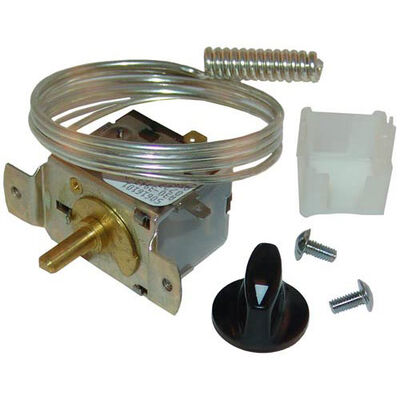
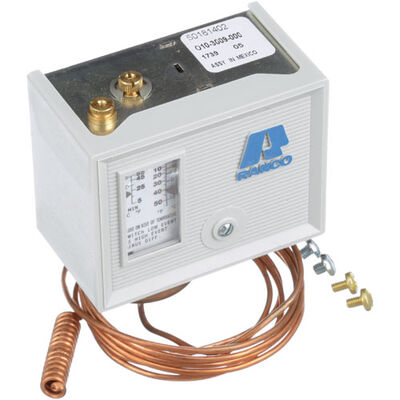
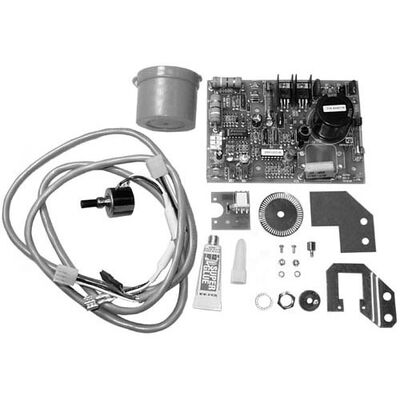
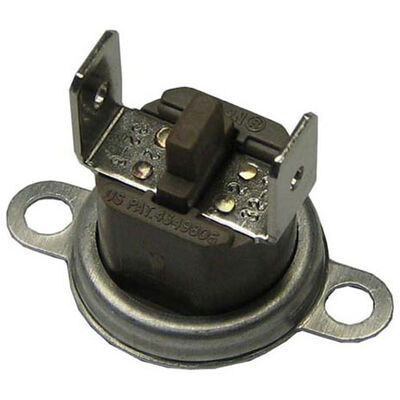
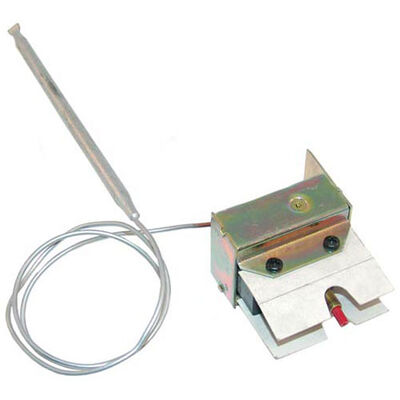
Check whether common replacement components are readily available. Fryer parts such as thermostats, heating elements, burners, temperature probes, control components, baskets, and filtration components may eventually require replacement. Easy access to serviceable components can reduce repair downtime.
Common Commercial Fryer Buying Mistakes to Avoid
Buying a commercial fryer based only on price or capacity can lead to higher operating costs, slow production, and unnecessary maintenance. Avoid these common mistakes before making your purchase.
Choosing Capacity Based Only on Average Volume
A fryer that handles normal demand may struggle during lunch, dinner, weekends, or special events. Base capacity on peak demand.
Ignoring Recovery Time
Two fryers with similar oil capacities can perform differently. Slow recovery can create longer wait times and inconsistent results during busy periods.
Buying the Cheapest Model
A low purchase price does not always mean lower operating costs. Consider energy consumption, oil usage, maintenance, and expected service life.
Forgetting Installation Requirements
Before ordering, confirm that your kitchen can support the fryer. Gas connections, electrical capacity, ventilation, floor space, drainage, and safety clearances can all affect installation.
Overlooking Oil Filtration
Frequent frying produces crumbs and food particles that can degrade oil. A suitable filtration system can make oil management easier and potentially reduce operating costs.
Buying More Capacity Than You Need
An oversized fryer can consume more space and resources without providing meaningful benefits if your operation has low frying demand.
Ignoring Replacement Parts
Even well-maintained commercial equipment eventually needs service components. Check parts availability and service support before committing to a fryer.
Avoiding these mistakes helps you choose a commercial fryer that fits your menu, production needs, kitchen space, and operating budget without unnecessary costs.
Explore The Ultimate Guide to Commercial Air Fryers: How to Choose, Use, and Clean to learn about key features, proper use, cleaning methods, and tips for choosing the right model for your kitchen.
Summary: Making the Right Commercial Fryer Investment for Different Businesses in 2026
Choosing the best commercial fryer depends on your menu, frying volume, kitchen space, and operating needs. Open pot, tube, flat-bottom, pressure, and ventless fryers serve different purposes, while countertop and floor configurations help match the equipment to your available space.
Before buying, compare oil capacity, temperature recovery, energy efficiency, filtration, safety, maintenance, and replacement parts. Considering both the purchase price and long-term operating costs helps you choose a fryer that fits your business and supports efficient daily cooking.
Key Takeaways
-
Match the fryer type to your menu and cooking volume.
-
Choose oil capacity based on peak-hour demand.
-
Consider kitchen space, ventilation, and utility requirements.
-
Compare energy efficiency, temperature control, and filtration.
-
Evaluate safety, maintenance, replacement parts, and total cost.
FAQs
What size commercial fryer do I need for my restaurant?
Choose a fryer based on peak-hour demand, batch size, menu, and available kitchen space. High-volume restaurants may need larger floor fryers or multiple units.
Is a gas or electric commercial fryer better?
Gas fryers can provide strong heat output, while electric models can offer efficient heat transfer. The better choice depends on utilities, installation, energy costs, and kitchen setup.
Which type of commercial fryer is the most energy efficient?
Energy efficiency depends on the fryer’s heating system, insulation, controls, and usage. Compare manufacturer energy ratings and operating costs rather than fryer type alone.
How much oil capacity does a commercial fryer need?
Oil capacity should match your batch size and peak cooking volume. Smaller operations need less capacity, while high-volume kitchens may require larger fryers or multiple units.
|
Disclaimer: This blog is for informational purposes only and provides general guidance to help businesses compare commercial fryer types, features, capacities, and buying considerations. |