How to Diagnose Common Bunn Slush Machine Issues in Commercial Kitchens
In commercial kitchens, Bunn slush machines are crucial for serving cold, refreshing beverages, particularly in high-traffic environments such as cafes, concession stands, and restaurants. However, like any equipment, these machines can occasionally experience issues that affect performance and product quality. Knowing how to quickly identify common problems is essential for reducing downtime and keeping customers satisfied. Whether it's a machine that won't freeze, an inconsistent slush texture, or unusual noises during operation, early detection can often prevent more costly repairs. This guide will walk you through the most frequent issues encountered with Bunn slush machine parts and provide practical steps for identifying the root causes. By using the right methods, you can ensure your machine operates efficiently and lasts longer.
Understanding How a Bunn Slush Machine Works
To effectively diagnose issues with a Bunn slush machine, it’s important to first understand how it operates. These machines are designed to mix and freeze beverages into a slush consistency using a combination of refrigeration, agitation, and temperature control.
Here’s a breakdown of the key components and how they work together:
-
Mix Hopper: This is where the liquid beverage mix is poured. It feeds into the freezing cylinder during operation.
-
Freezing Cylinder: The core of the machine, this is where the beverage mix is cooled and frozen into slush. Refrigerant flows around the cylinder to reduce temperature.
-
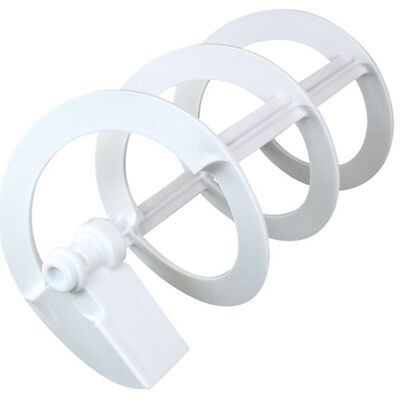
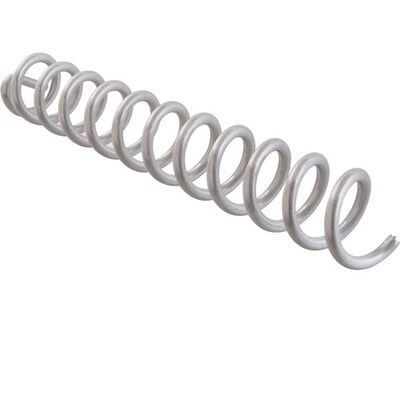
Agitator (Auger): A rotating blade that continuously stirs the mixture inside the freezing cylinder, preventing ice buildup and ensuring a uniform slush texture.
-
Compressor: This component powers the refrigeration system, enabling the cooling process necessary for freezing.
-
Fan and Condenser: These components help dissipate heat from the refrigerant, maintaining an optimal temperature for freezing.
-
Control Panel: Operators use this to set modes (such as chill or freeze), adjust temperature, and monitor machine status.
When operators understand these components and their roles, they can more easily pinpoint where problems may be happening.
Is your Bunn slush machine causing issues in your commercial kitchen? PartsFe has the parts you need to keep it running smoothly. Browse thermostats, auger motors, and refrigerant kits from leading brands like Bunn, Grindmaster, and Electro Freeze to restore your machine’s efficiency and performance.
Common Operational Issues in Bunn Slush Machines
Bunn slush machines can develop performance issues over time, impacting consistency and reliability. Early identification helps ensure smoother operation and minimizes downtime.
Machine Not Freezing Properly
-
Low or incorrect mix levels
-
Faulty compressor or refrigerant leak
-
Dirty condenser coils are blocking heat dissipation
Slush Too Runny or Too Thick
-
Incorrect mix ratio (too much water or syrup)
-
Temperature settings not optimized
-
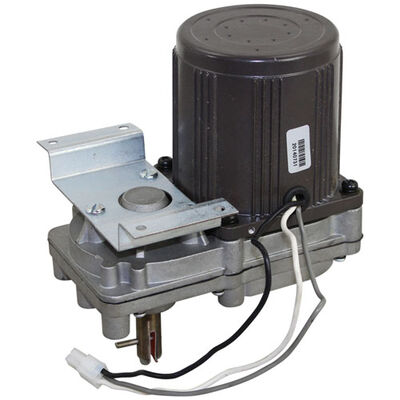
Auger is not turning properly due to motor or gear issues
Noisy Operation
-
Loose or worn auger bearings
-
Foreign objects stuck in the freezing chamber
-
Issues with the compressor or fan motor
Leaking Machine Problems
-
Seals and gaskets that are worn or damaged
-
Overfilled mix hopper
-
Cracks in the freezing chamber or drip tray
Unit Not Powering On
-
Faulty power cord or outlet
-
Blown fuse or internal electrical fault
-
Malfunctioning control board
Regular inspection and maintenance of parts for Bunn slush machine can help catch many issues early, preventing service interruptions.
Diagnosing Freezing and Cooling Problems in Bunn Slush Machines
Freezing and cooling issues are among the most common problems. Follow these steps for effective Bunn slush machine troubleshooting:
Step 1: Check the Mix Ratio
-
Use Correct Ratio: Use the correct water-to-syrup ratio as specified by the mix manufacturer.
-
Avoid Dilution: Avoid diluting the mix with extra water, which can prevent freezing.
-
Use Fresh Mix: Always prepare a fresh mix and avoid using expired products.
Step 2: Inspect Mix Levels
-
Maintain Proper Fill: Keep the mix hopper filled to the recommended level to cover the auger fully.
-
Prevent Overheating: Avoid running the machine with low mix levels to prevent the auger from overheating.
-
Refill Promptly: Refill promptly if the mix level drops below the minimum line.
Step 3: Verify Machine Settings
-
Correct Mode: Ensure the machine is set to “Freeze” mode rather than “Chill” or “Clean.”
-
Adjust Temperature: Adjust temperature controls according to product guidelines in the Bunn slush machine manual.
-
Reset Settings: Reset the machine if settings have been accidentally changed.
Step 4: Examine the Auger
-
Clear Obstructions: Turn off the machine and check for any debris or blockages around the auger.
-
Inspect Components: Check the auger motor and belts for signs of wear and replace them if needed.
-
Lubricate Bearings: Lubricate bearings if applicable to keep the auger turning smoothly.
Step 5: Clean the Condenser Coils
-
Prioritize Safety: Always unplug the machine before cleaning to prevent electrical risks.
-
Clear Debris: Regularly clean coils using a soft brush or vacuum to remove dust and dirt.
-
Ensure Airflow: Ensure proper airflow around the machine to prevent overheating.
Step 6: Check the Compressor
-
Listen for Issues: Listen for unusual noises or silence, which may indicate compressor issues.
-
Verify Cooling Fan: Verify the cooling fan is running and the machine is well ventilated.
-
Professional Repair: Contact a technician for compressor repair or refrigerant recharge if needed.
Step 7: Contact a Technician
-
Get Expert Assistance: If troubleshooting doesn’t fix the problem, contact a professional technician for service.
-
Safe Diagnosis: Technicians experienced in Bunn slush machine repair can diagnose electrical faults and refrigeration problems safely.
-
Schedule Maintenance: Schedule regular maintenance to avoid major breakdowns in the future.
Check out this guide on Manitowoc Ice machine troubleshooting for quickly identifying and resolving common issues, such as slow ice production, unusual noises, or error codes, for optimal performance.
Troubleshooting Consistency and Mixing Issues
Consistency and mixing problems in Bunn slush machines can impact beverage quality and customer satisfaction. Here are some fixes for common underlying causes:
-
Air Entrapment: Before pouring the mix into the hopper, gently stir to release trapped air bubbles. Use a slow, steady pour to reduce air incorporation.
-
Seals and Gaskets: Regularly inspect and replace worn or damaged seals to maintain a tight, contaminant-free freezing chamber and ensure proper mix consistency.
-
Agitation Speed: Adjust the agitator speed according to the machine’s manual or manufacturer guidelines to achieve optimal mixing without over-agitating.
-
Overfilled Hopper: Always fill the hopper only up to the recommended maximum level to prevent spillage and allow the auger to operate efficiently.
-
Temperature Fluctuations: Maintain a stable electrical supply and minimize door openings during operation to avoid temperature swings that disrupt freezing and mixing.
-
Use Recommended Mix Types: Always use mix formulas designed for slush machines to ensure proper freezing, texture, and machine compatibility.
Applying these fixes can help restore smooth, consistent slush texture and improve overall machine performance.
Fixing Noise, Vibration, and Electrical Issues in Bunn Slush Machines
Noise, vibration, and electrical issues can disrupt the performance of Bunn slush machines and cause potential damage. Promptly diagnosing and fixing these problems ensures smooth, safe operation.
-
Tighten Loose Components: Check and tighten any loose screws, bolts, or panels that may cause rattling or vibration during operation.
-
Inspect and Replace Worn Bearings: Worn or damaged bearings in the auger or motor can create excessive noise and vibration. Replace them as needed.
-
Level the Machine: Place the machine on a stable, even surface to avoid unnecessary shaking or vibrations.
-
Inspect Electrical Connections: Examine power cords, plugs, and internal wiring for damage or wear, and replace any frayed or loose parts to prevent shorts or power failures.
-
Test and Replace Fuses or Circuit Breakers: Faulty fuses or breakers can cause intermittent power issues. Test regularly and replace defective parts promptly.
-
Examine the Compressor and Fan Motors: Unusual noises may indicate motor wear or failure. Clean the fan blades and vents, and replace motors if necessary.
-
Avoid Overloading the Machine: Operating the machine beyond recommended capacity can strain electrical components and increase noise.
If your bunn slush machine leaking, these preventive measures will keep it running smoothly.
Preventing Leaks and Overflow in Bunn Slush Machines
Leaks and overflow issues can cause downtime, messes, and costly repairs in commercial kitchens. Proper maintenance and handling are key to preventing these common problems in Bunn slush machines.
-
Regularly Inspect Seals and Gaskets: Regularly check seals and gaskets for signs of wear, cracks, or brittleness from cleaning chemicals, and replace them promptly to ensure a secure, leak-free seal.
-
Check and Tighten Spigots and Nozzles: Inspect dispensing points regularly for loose fittings or damaged seals. Tighten connections or replace parts to prevent drips and leaks.
-
Avoid Overfilling the Hopper: Always fill the mix hopper to the recommended level. Overfilling can cause overflow, leading to damage in internal components.
-
Ensure Proper Reassembly After Cleaning: Make sure all O-rings and seals are correctly installed during reassembly. Missing or misplaced parts often cause slow leaks after maintenance.
Following these simple steps helps prevent leaks and overflow, ensuring your Bunn slush machine runs efficiently and reliably.
Maintenance and Best Practices for Long-Term Reliability
To ensure your Bunn slush machine delivers consistent performance over time, regular maintenance and smart usage habits are crucial. Here are some best practices focused on long-term reliability that complement routine cleaning and leak prevention:
-
Use Filtered Water: Using filtered water helps reduce mineral buildup inside the machine, protecting internal components and improving taste.
-
Regularly Calibrate Temperature Controls: Periodically check and calibrate the thermostat to maintain accurate freezing temperatures for consistent slush quality.
-
Inspect and Replace Belts: Monitor drive belts for signs of wear or slackness and replace them before they fail to avoid downtime.
-
Keep the Machine Covered When Not in Use: Protect the machine from dust and debris by covering it during off-hours to prevent contamination and mechanical issues.
-
Check Drain Lines and Valves: Inspect and clear drain lines regularly to prevent clogs that could cause leaks or slow drainage.
-
Monitor Noise and Vibration Levels: Be alert to unusual sounds or vibrations, which can indicate early mechanical problems needing attention.
Following these practices will extend the lifespan and improve the reliability of your Bunn slush machine beyond regular maintenance.
Refer to this guide on keeping ice bins and dispensers clean and efficient to ensure proper hygiene, prevent contamination, and maintain optimal ice quality and machine performance.
Conclusion
A Bunn slush machine is an invaluable workhorse in commercial kitchens that depend on cold, refreshing frozen beverages. But like any advanced appliance, it needs careful monitoring, early problem detection, and routine preventive maintenance. For those learning how to use a Bunn slush machine, diagnosing cooling, mixing, electrical, and leakage problems takes a systematic approach founded on understanding internal mechanics. With proper troubleshooting skills, adherence to maintenance schedules, and timely part replacement, operators can maximize uptime, maintain consistent product quality, and avoid costly downtime.
FAQs
Why is my slushy machine not working?
This can happen due to electrical faults, compressor malfunctions, or blocked condenser coils. Confirm your power supply, check fuses, and ensure the machine is placed in a well-ventilated spot.
Why is my slush machine not freezing on one side?
This usually indicates uneven refrigerant distribution or a failing evaporator system. It may also stem from dirty coils on one side or a defective sensor.
How do I clean a Bunn slush machine?
Turn off and unplug the machine, then disassemble removable parts like the hopper and auger for thorough washing. Clean all parts with warm, soapy water and wipe down the exterior before reassembling.
How do I reset a Bunn slush machine?
Turn off the machine and unplug it for about 5 minutes to allow it to reset. Plug it back in and power on to restore default settings and clear minor errors.