How to Troubleshoot and Fix Common Vulcan Charbroiler Issues Expert Tips and Solutions
A Vulcan charbroiler is a vital piece of equipment in any commercial kitchen, known for delivering high performance and consistent grilling results during busy service hours. However, even the most durable models can face issues over time that impact cooking quality and efficiency. Regular maintenance and quick troubleshooting are key to avoiding costly downtime and ensuring smooth kitchen operations.
From uneven heating and ignition problems to grease buildup and temperature control issues, knowing how to identify and fix these common challenges is essential for chefs and kitchen staff. In this guide, we’ll share expert troubleshooting tips and proven solutions to help commercial kitchens keep their Vulcan charbroilers running safely and efficiently.
Understanding Vulcan Charbroilers: Key Components and Function
Vulcan charbroilers are essential in commercial kitchens for their durability, high performance, and ability to deliver evenly grilled dishes. Knowing how each Vulcan charbroiler's parts work together helps maintain consistency, ensures safety, and makes troubleshooting easier.
Key Vulcan Charbroilers Parts and Their Functions:
-
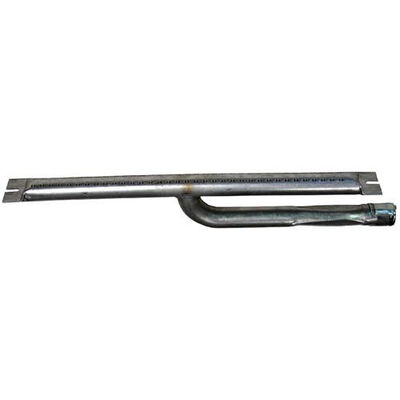
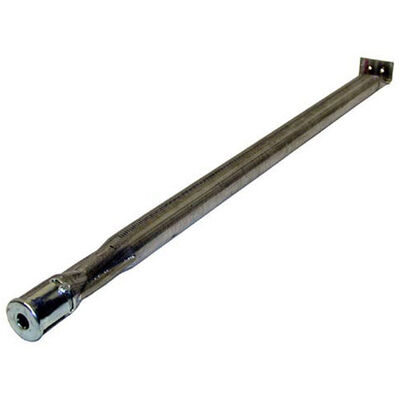
Burners: Provide direct flame or radiant heat. Heavy-duty cast iron burners in models like the VACB/VCCB series ensure even heat distribution.
-
Radiants / Emitter Panels: Absorb and spread heat across the cooking surface; in IRX/VTEC models, they convert heat into infrared waves for efficient cooking.
-
Grates: Heavy cast iron cooking surface, often reversible, allowing control of sear marks and grease runoff.
-
Deflector Trays / Heat Deflector Panels: Reflect heat upward while protecting internal components, as seen in the VACB25 model.
-
Crumb Tray / Grease Drawer: Collects grease, char, and debris beneath the deflector tray; regular cleaning ensures safe and efficient operation.
-
Ignition / Pilot System: Standing pilot or spark ignition safely starts and maintains burners.
-
Gas Supply, Controls, and Valves: Regulate fuel flow and heat output; any issues can reduce performance.
-
Ventilation / Exhaust: Proper hood ventilation removes combustion by-products, prevents overheating, and maintains consistent operation.
Understanding these components helps commercial kitchen staff maintain performance, improve food quality, and extend the charbroiler’s lifespan.
Looking to fix your Charbroiler and get it back to peak performance? PartsFe offers replacement parts from burner valves to ignition modules and thermocouples. Shop top-quality parts from leading brands like Vulcan, Wells, and Garland to ensure your grill runs efficiently and safely.
Signs Your Vulcan Charbroiler Needs Attention
Even the most reliable Vulcan charbroilers can show early signs of wear or malfunction. Recognizing these issues quickly helps prevent downtime and maintain food quality.
-
Uneven Cooking Across Grates: Some areas cook hotter or cooler than others, causing inconsistent searing and unevenly cooked food.
-
Delayed or Failed Ignition: Burners take longer to light or fail, often due to pilot, spark system, or gas flow issues.
-
Excessive Grease or Smoke Build-Up: Thick smoke or frequent flare-ups signal clogged radiants, grease trays, or insufficient cleaning.
-
Visible Cracks or Warping on Grates: Warped or cracked grates reduce heat efficiency and may affect food safety.
-
Gas Odor or Hissing Sounds: Unusual gas smells or hissing near valves indicate potential leaks and require immediate attention.
-
Temperature Control Inaccuracy: Settings no longer match actual cooking temperatures, pointing to faulty thermostats or gas regulators.
Common Causes of Vulcan Charbroiler Issues
Even high-quality Vulcan charbroilers can develop problems if key components or systems fail. Identifying the root causes helps prevent downtime and keeps the kitchen operating efficiently.
-
Grease and Debris Buildup: Accumulated grease or food particles in burners, radiants, or trays restrict airflow and reduce efficiency.
-
Worn or Damaged Burners: Cracked, corroded, or misaligned burners lead to uneven heat distribution or burner failure.
-
Faulty Ignition or Pilot Systems: Malfunctioning spark igniters or Vulcan pilot lights prevent proper burner operation.
-
Gas Supply Issues: Low pressure, leaks, or clogged gas valves restrict fuel flow and impair heating performance.
-
Neglected Routine Maintenance: Failure to clean or inspect grates, crumb trays, and deflector panels accelerates component wear.
-
Temperature Control Failures: Malfunctioning thermostats, regulators, or control knobs prevent accurate heat regulation.
-
Improper Installation or Ventilation: Incorrect hood placement, restricted airflow, or improper unit leveling causes stress on internal components.
Troubleshooting and Fixing Common Issues in Vulcan Charbroilers
Vulcan charbroiler issues can arise even in durable units used in busy commercial kitchens. Recognizing them early helps maintain consistent cooking performance and prevent costly downtime.
1. Low Heat Output
Burners fail to reach the set temperature, causing slower cooking and undercooked food.
Symptoms: Cooking is uneven or delayed, affecting kitchen workflow.
Possible Causes: Clogged burners, faulty gas valves, low gas pressure, or regulator issues.
Solution: Clean burners thoroughly and inspect gas valves and regulators. Replace any faulty components to restore full heat output.
2. Uneven Heat Distribution
Certain areas of the grill are hotter or cooler, leading to inconsistent cooking.
Symptoms: Food may be overcooked in one area and undercooked in another.
Possible Causes: Misaligned or dirty burners, warped grates, or clogged radiants.
Solution: Realign burners and clean radiants; replace warped grates to ensure even heat across the cooking surface.
3. Ignition Failures
Burners fail to ignite or ignite intermittently, disrupting cooking operations.
Symptoms: Delays during startup or during service when burners need to be relit.
Possible Causes: Faulty spark igniters, pilot lights, or interrupted gas flow.
Solution: Clean or replace spark igniters and pilot lights. Check gas lines for blockages or leaks and fix as needed.
4. Excessive Smoke or Flare-Ups
Heavy smoke or sudden flare-ups affect food quality and kitchen safety.
Symptoms: Flames or smoke rise unexpectedly, increasing the risk of burns and overcooked food.
Possible Causes: Grease buildup, dirty crumb trays, or blocked deflector panels.
Solution: Clean grates, trays, and deflector panels regularly. Ensure proper ventilation to prevent flare-ups and smoke.
5. Temperature Control Issues
The heat setting does not match actual cooking temperatures, making cooking unpredictable.
Symptoms: Food may burn or remain undercooked despite proper settings.
Possible Causes: Faulty thermostats, control knobs, or gas regulators.
Solution: Test thermostats, knobs, and regulators. Replace any defective parts and recalibrate for accurate heat control.
Check out this guide on charbroilers: types, installation, cleaning & troubleshooting for everything you need to know about maintaining and operating your charbroiler efficiently.
Ignition Problems in Vulcan Charbroilers: Troubleshooting Spark and Pilot Issues
Ignition issues can disrupt workflow if burners fail to light consistently. Vulcan Charbroilers troubleshooting helps identify spark igniter or pilot problems for safe, efficient operation.
Spark Ignition Failures
Burners do not ignite using the electronic spark system.
Signs: Clicking sounds without flame, intermittent ignition, or complete failure to light.
Possible Causes: Worn or dirty spark electrodes, loose wiring, or faulty ignition modules.
Steps to Fix:
-
Turn off the unit and gas supply.
-
Clean spark electrodes with a soft brush or cloth.
-
Check and tighten all wiring connections.
-
Replace faulty ignition modules if cleaning and reconnections don’t restore function.
Pilot Light Issues
Standing pilot lights fail to stay lit, causing burners to go out.
Signs: Flames extinguish after ignition, burners won’t operate reliably.
Possible Causes: Blocked pilot tubes, dirt or debris, or malfunctioning thermocouples.
Steps to Fix:
-
Turn off the gas supply and allow the unit to cool.
-
Clean pilot tubes with a thin wire or compressed air.
-
Inspect thermocouples for wear or damage.
-
Replace any faulty thermocouples and relight the pilot.
Addressing Excessive Smoke in Vulcan Charbroilers
Excessive smoke can affect food quality, kitchen safety, and ventilation efficiency. Regular cleaning and proper heat management help minimize smoke production.
Signs: Food absorbs unpleasant odors; flare-ups are more frequent.
Possible Causes: Grease accumulation on grates, clogged crumb trays, or blocked deflector panels.
Steps to Fix:
-
Turn off the charbroiler and allow it to cool.
-
Remove grates, crumb trays, and deflector panels.
-
Clean all components thoroughly to remove grease and debris.
-
Check ventilation and ensure no obstructions before resuming cooking.
Gas Leaks in Vulcan Charbroilers
Gas leaks pose a serious safety hazard and require immediate attention. Detecting leaks early prevents fire risks and ensures consistent burner performance.
Signs: Smell of gas near the unit, hissing sounds, or uneven flame.
Possible Causes: Loose connections, damaged hoses, or worn gas valves.
Steps to Fix:
-
Immediately turn off the gas supply and ventilate the area.
-
Inspect all connections for tightness.
-
Replace damaged hoses or faulty valves.
-
Test the unit for leaks with a soap-and-water solution before resuming use.
Regular maintenance of the Vulcan Charbroiler ignitor ensures consistent burner ignition and prevents downtime. Timely repairs keep the charbroiler safe, efficient, and reliable.
Check out this guide on grill temperature control on commercial gas grills to master temperature regulation for perfect grilling results every time.
Preventative Maintenance Tips for Vulcan Charbroilers
Proper preventative maintenance keeps Vulcan charbroilers efficient, extends their lifespan, ensures safety, and prevents costly repairs while maintaining consistent cooking results.
1. Daily Cleaning
-
Remove and clean grates, deflector trays, and crumb trays to prevent grease buildup.
-
Wipe down the exterior with a mild detergent to remove food residue and spills.
-
Ensure burners are free of debris to maintain even heat distribution.
2. Weekly Checks
-
Inspect ignition systems and pilot lights for proper operation.
-
Check gas connections, valves, and hoses for any signs of leaks or wear.
-
Clean radiants and emitter panels to maintain optimal heat transfer.
3. Monthly Maintenance
-
Examine thermocouples, spark electrodes, and control knobs for signs of damage or wear.
-
Inspect and clean ventilation hoods to prevent smoke buildup and fire hazards.
-
Check for proper burner alignment and even flame distribution.
4. Annual Professional Service
-
Schedule a certified technician to inspect gas regulators, manifolds, and internal components.
-
Replace worn parts, test for leaks, and calibrate burners for optimal performance.
These preventative measures, along with regular reference to the Vulcan charbroiler manual, help reduce equipment failure, improve cooking consistency, and extend the charbroiler’s lifespan.
Wrapping Up: Key Expert Tips for Vulcan Charbroilers
Getting the most out of your Vulcan charbroiler comes down to proper heat control and smart cooking techniques. Preheating and managing burner settings carefully ensures even cooking and optimal searing every time. Paying attention to how heat zones work can elevate the quality of your dishes.
Expert Tips:
-
Preheat thoroughly before placing food on the grates.
-
Adjust burners to match the type of food for consistent results.
-
Avoid overcrowding the cooking surface to maintain even heat distribution.
-
Use proper tools, like tongs or spatulas, to handle food safely and efficiently.
-
Rotate or flip food strategically to achieve uniform cooking and char marks.
By keeping these strategies in mind, you can consistently achieve professional-quality results. Smart placement and careful monitoring make all the difference in flavor, texture, and presentation. With a little practice, every dish can come out perfectly cooked.
FAQs
How can I fix my Vulcan charbroiler when it isn’t heating evenly?
Uneven heat is usually caused by misaligned burners, clogged radiants, or dirty crumb trays. Cleaning these parts and checking that the unit is level often fixes the issue.
Why does the pilot light on my Vulcan charbroiler keep going out?
A dirty pilot tube or faulty thermocouple can cause the pilot to go out. Clean or replace these parts and check for drafts that might extinguish the flame.
How should I respond if I smell gas near my Vulcan charbroiler?
A gas smell could indicate a leak, which is a serious hazard. Turn off the gas, inspect all connections, and replace any damaged hoses or fittings immediately.
Why are the grates on my Vulcan charbroiler warped, and can I replace them?
Grates warp over time due to high heat and heavy use. They can be replaced with model-specific parts, and proper installation ensures even cooking.
How do I reduce excessive smoke coming from my Vulcan charbroiler?
Excessive smoke usually comes from grease buildup or clogged radiators. Clean these components and ensure proper kitchen ventilation to reduce smoke.