Preventing Top 3 Imperial Broiler Burner Issues A 6-Month Maintenance Checklist
Imperial broiler burners are essential for maintaining consistent heat and delivering high-quality cooking results in busy commercial kitchens. However, with constant exposure to grease, food residue, and high temperatures, these burners can gradually lose efficiency and develop performance issues if not properly maintained.
Without regular care, even a high-quality broiler can experience reduced heat output, delayed operation, and uneven cooking, impacting both productivity and food quality. A proactive maintenance routine helps avoid these disruptions and keeps your equipment running smoothly.
This blog explains the top Imperial broiler burner issues and a practical 6-month maintenance checklist to prevent them
How Imperial Broiler Burners Work and Why Issues Occur
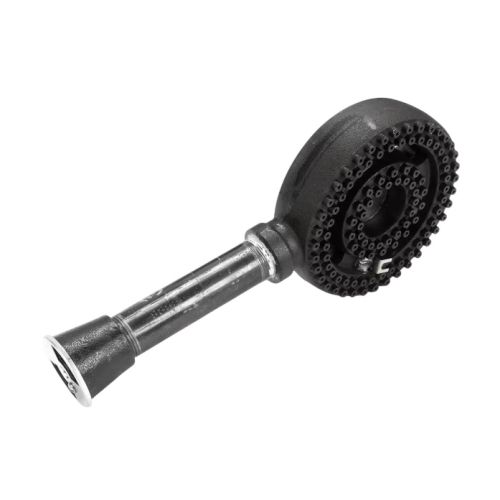
Imperial broiler burners are designed to deliver consistent, high heat by mixing gas with air and igniting it to create a stable flame. This flame travels through burner ports and spreads evenly across the cooking surface, allowing for uniform heat distribution and precise cooking results. The system relies on proper gas flow, clean burner openings, and a reliable ignition process to maintain steady performance in busy commercial kitchens.
Despite this efficient design, several factors can lead to burner issues over time:
-
Grease and food debris build up and clog burner ports
-
Carbon deposits form due to continuous exposure to high temperatures
-
Worn-out or dirty ignition components affect proper startup
-
Improper gas pressure or restricted airflow disrupts flame consistency
-
Misaligned burners cause uneven heat distribution
-
Lack of routine cleaning and preventive maintenance
If these problems are ignored, they can gradually reduce efficiency, increase energy consumption, and impact cooking quality. Regular maintenance of essential Imperial burners through timely inspection and cleaning is essential to ensure long-term reliability and consistent performance.
Top 3 Imperial Broiler Burner Issues You Must Watch For
Imperial broiler burners are designed for durability and high performance, but continuous use in demanding kitchen environments can lead to certain common issues. Over time, grease buildup, heat exposure, and lack of maintenance can affect how efficiently the burners operate and impact overall cooking results.
The most common burner issues to watch for include:
-
Clogged Burner Ports: Burner ports are small openings where gas flows to create flames. When these ports become clogged with grease or debris, the flame becomes weak or uneven. This directly affects cooking performance and can also increase fuel consumption.
-
Ignition Failure: Ignition systems are responsible for lighting the burners. Dirt buildup, worn-out igniters, or loose connections can prevent the burner from igniting properly. This can lead to delays during busy kitchen hours and disrupt overall workflow.
-
Uneven Flame Distribution: Uneven flame distribution occurs when burners are partially blocked, misaligned, or affected by inconsistent gas pressure. This results in hot and cold spots on the cooking surface, making it difficult to achieve uniform and reliable cooking results.
Addressing these issues early through regular inspection and maintenance along with using quality Imperial parts can help prevent performance loss, reduce downtime, and ensure your broiler continues to operate efficiently.
Warning Signs Your Broiler Burner Needs Immediate Attention
Broiler burners rarely fail suddenly; most issues develop gradually and show clear warning signs before turning into major problems. Paying attention to these early indicators can help you maintain consistent cooking performance, avoid unexpected downtime, and ensure a safe working environment in your kitchen.
Some common signs that indicate your broiler burner needs immediate attention include:
-
Flames appearing yellow or flickering instead of a consistent blue color
-
Delayed ignition or burners not lighting properly
-
Uneven heating or noticeable hot and cold spots
-
Unusual gas smell or signs of incomplete combustion
-
Popping or irregular noises from the burner
-
Visible grease buildup or carbon deposits on burner components
Neglecting these warning signs may cause decreased efficiency, higher operating costs, and increased safety risks. Taking quick action through cleaning, inspection, or necessary repairs will help keep your broiler functioning reliably.
6-Month Maintenance Checklist to Prevent Burner Issues
Regular maintenance plays a key role in keeping Imperial broiler burners efficient, safe, and reliable. A structured 6-month maintenance routine helps identify early signs of wear, prevent common issues, and ensure consistent cooking performance in busy commercial kitchens.
The checklist below provides a clear breakdown of maintenance tasks by time period for better planning and execution.
|
Time Period |
Maintenance Task |
Purpose |
|
Monthly |
Clean burner ports and remove grease buildup |
Maintain proper flame flow and efficiency |
|
Monthly |
Inspect ignition system |
Ensure smooth and reliable ignition |
|
Monthly |
Check flame color and stability |
Detect early combustion issues |
|
Every 3 Months |
Deep clean burners and remove carbon deposits |
Improve heat distribution and performance |
|
Every 3 Months |
Inspect gas lines and connections |
Prevent leaks and ensure safety |
|
Every 3 Months |
Check burner alignment |
Maintain even flame distribution |
|
At 6 Months |
Replace worn or damaged components |
Ensure consistent performance |
|
At 6 Months |
Check and adjust gas pressure |
Maintain optimal burner output |
|
At 6 Months |
Full system inspection |
Identify hidden faults or wear |
|
At 6 Months |
Professional servicing |
Ensure safe and efficient operation |
Following this maintenance schedule consistently helps reduce unexpected breakdowns, improve energy efficiency, and extend the overall lifespan of the broiler burner system.
Summary: Maximize Broiler Performance with Preventive Care
Maintaining your broiler burners with regular care is essential for consistent performance and long-term reliability. By addressing common issues early and following a structured maintenance routine, you can avoid unexpected breakdowns, improve cooking efficiency, and ensure better food quality in your kitchen operations.
Preventive maintenance not only extends the lifespan of your equipment but also helps reduce energy costs and safety risks. A simple 6-month checklist, combined with timely cleaning and inspections, can keep your broiler running smoothly even in high-demand environments.
Key Takeaways:
-
Regular cleaning prevents burner port blockages and performance issues
-
Identifying issues early reduces repair costs and unexpected downtime
-
Consistent flame quality is essential for even cooking results
-
Scheduled boosts efficiency and extends equipment lifespan
-
Regular professional servicing supports safe and reliable operation
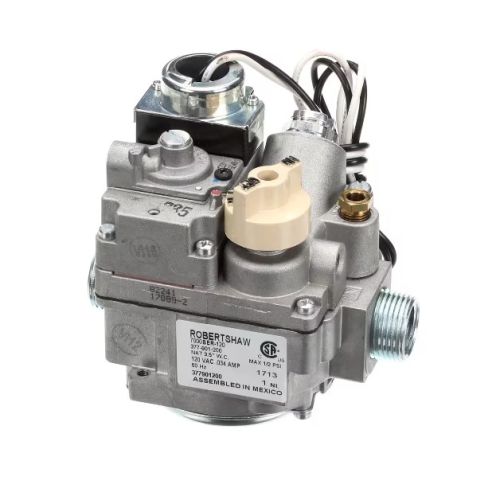
Shop high-quality commercial kitchen equipment parts at PartsFe to keep your Imperial broiler running efficiently. Find essential components like burners, igniters, gas valves, and control parts for reliable performance, easy maintenance, and long-lasting kitchen efficiency.
FAQs
Why is my broiler burner flame uneven?
Uneven flame is caused by clogged ports, dirty burners, misalignment, or gas pressure issues, leading to poor heat distribution and inconsistent cooking results.
How do I clean clogged burner ports on a broiler?
Turn off the gas, cool the burner, and gently clear the ports using a soft brush or needle. Avoid enlarging holes, then wipe clean and ensure all openings are clear before use.
How often should broiler burners be serviced?
Clean monthly, deep clean every 3 months, and schedule full professional servicing every 6 months to ensure safe, efficient, and reliable burner performance in commercial kitchens.
How do I know if my broiler burner needs replacement?
Replace if you see cracks, corrosion, repeated ignition failure, weak flames, or poor performance even after cleaning and maintenance, indicating permanent burner damage or wear.
|
Disclaimer: This blog is for informational purposes only and provides general maintenance guidance for Imperial broiler burners. |