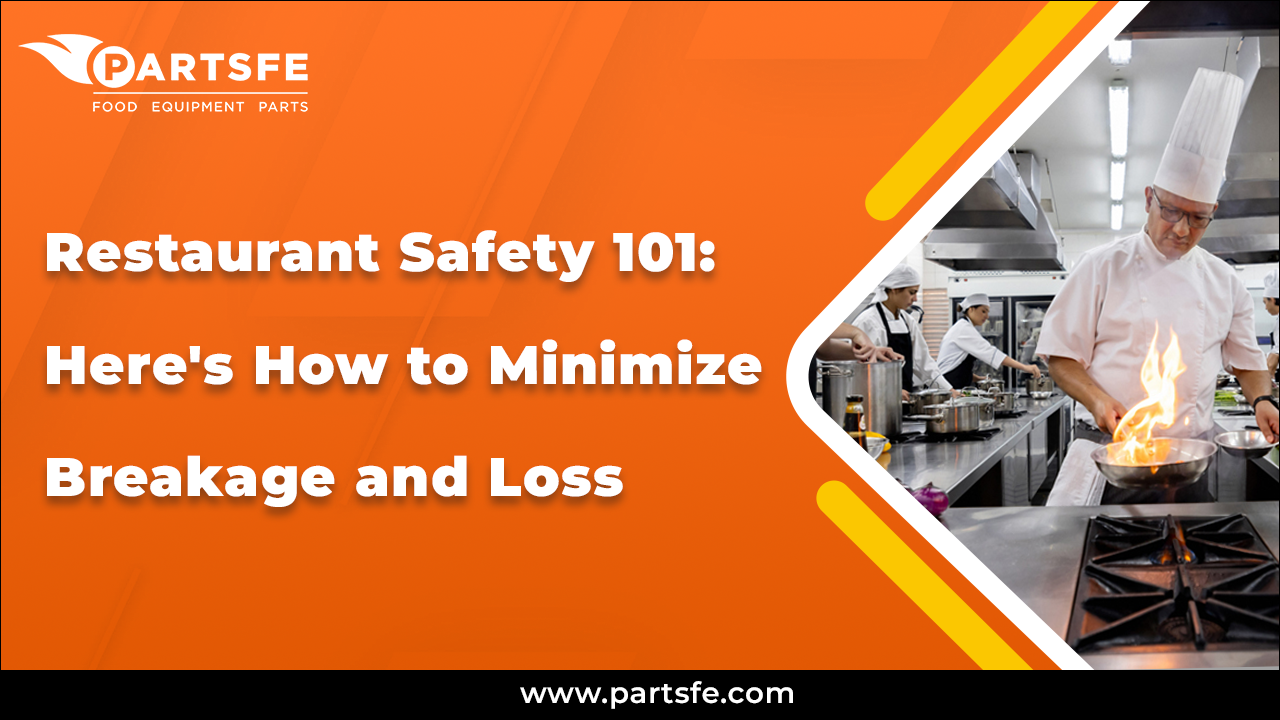
Restaurant Safety 101: Here's How to Minimize Breakage and Loss
In any restaurant, minimizing breakage and loss is crucial for maintaining smooth operations and controlling costs. Broken dishes, damaged equipment, or lost supplies can quickly add up, affecting both your budget and the overall efficiency of the kitchen. However, with the right strategies in place, these issues can be minimized. In this article, we’ll explore practical tips and best practices for preventing breakage and loss in your restaurant, from training staff to implementing proper storage techniques. By focusing on these key areas, you can reduce waste, enhance safety, and create a more productive and cost-effective environment.
|
Table of Contents |
The Impact of Commercial Kitchen Breakage
In a commercial kitchen, when items break, it is inconvenient, expensive, and will seriously impact business, which may lead to financial loss, operational delays, and even safety risks. Understanding the impact then can help create strategies to reduce breakage and maintain efficiency.
-
Financial Loss: Replacing broken dinnerware, glassware, and equipment can be expensive, especially if these items are costly. Over time, these costs can add up to a significant burden on your restaurant's budget, causing unnecessary financial strain. Minimizing breakage helps protect your bottom line.
-
Operational Delays: In case of breakages, your restaurant will face shortages in dinnerware or glassware, and this may delay the service of meals. Longer waiting times may lead to frustrated customers and a possible loss of revenue. Effective service requires having the right equipment at the right time.
-
Increased Safety Risks: Broken plates, glassware, or kitchen tools pose serious safety risks to both staff and customers. Sharp edges from broken glass or utensils can cause injuries, leading to medical costs and liability issues. Implementing safety protocols reduces these risks.
-
Damage to Reputation: The customers notice chipped or mismatched dinnerware. This might make them think that the place is not clean or does not pay attention to detail, which could harm their overall dining experience. Maintaining equipment is essential to creating a positive reputation.
Looking for reliable commercial restaurant equipment parts? At PartsFe, we offer a wide selection of high-quality parts for ovens, ice machines, refrigerators, and more. From heating elements and thermostats to compressors and fan motors, we’ve got everything you need. Shop online today for fast delivery and top-notch customer service to keep your kitchen running smoothly!
Types of Restaurant Breakages
Restaurant owners, chefs, and managers need to understand the different types of breakages that frequently occur, knowing the areas likely to be damaged will help them target the correct strategies to prevent loss. Whether glassware, dinnerware, or cooking equipment, knowing where the damage mostly occurred may help you focus your preventing efforts there. This would ensure that you maintain both safety and efficiency in operations.
Safe Glassware Washing
Glassware is one of the most delicate objects in a restaurant, such as glasses, wine glasses, and mugs. Chips might easily break when mishandling, poor stacking, or slippery hands are involved. Even slight impacts can crack or fracture glassware. Glassware needs to be taken care, during service and storage to prevent breakages. When using a dishwasher, glassware needs to be loaded with great care, without overcrowding and with gentle cycles to reduce breakage due to bad washing techniques.
Dishware Durability
Plates, bowls, and serving platters are prone to breakage from careless handling, poor storage, or improper dishwasher loading. If not arranged correctly in the dishwasher, dishware can suffer from additional damage. Even though a dish may still function, its presentation and utility can be compromised. To minimize breakage, stack dinnerware carefully, handle items gently, and opt for sturdier materials. Regular checks for wear and tear, especially after dishwashing, can be made to identify potential damage and avoid further issues.
Cooking Equipment Damage
While less common, damage to cooking equipment can be costly. The stovetop grates, mixers, fryers, and many other tools gradually wear out due to their functionality failure or breakage over time. If they are not serviced regularly or are used incorrectly, their lifespan may be reduced significantly. Regular servicing and inspections can prevent costly replacement.
Utensil Damage
Most knives, spatulas, and tongs used in kitchens easily get damaged. This usually occurs when such items are either dropped or left out to become scorched on a high fire. Utensils may lose their sharpness, warp, or break. With regular maintenance, correct usage, and proper storage, these utensils may last long, thus requiring minimal replacements.
Cracks in Storage Container
The majority of food storage is done through plastic or glass. Sometimes, due to mishandling, these can crack and break. Then, contamination or loss of stored products may occur, which can affect aspects of both safety and inventory control. Damage prevention is done by making sure that the material of the container is durable enough and maintained with care during storage and cleaning.
For additional ways to enhance efficiency and reduce breakage in your kitchen, check out our article on how to modernize your commercial kitchen with display system technology.
Safety Tips to Minimize Breakage
A proactive measure against breakage is to follow key strategies in proper handling, smart storage, and training. You can reduce the risks or setbacks to dinnerware, glassware, and equipment significantly by availing this practice to the employees. This calls for a need to encourage and inculcate a culture of care and attention in the kitchen and dining halls. Let us look at these practices in detail to steer this from happening or ensure minimal breakage in your operations.
Proper handling
-
Slow and steady movement: Make sure that your employees deliberately and cautiously move things without having accidents. Slipping or fast movements tend to result in falling or bumping things, thus breaking them.
-
Two-Handed lifting: Heavy items such as serving trays or piles of plates are more likely to be steady when lifted by two hands instead of one. Dropping or damage on the product would be minimized by this technique, while preventing strain in the body.
-
Do not overcrowd: Overloading trays or carts can result in falling or displacement of items. Staff should carry fewer items at once for better control and less breakage.
-
Always hold Glassware at the bottom or base: Tell your staff not to hold glasses at the rim, as that may add extra pressure on the weakest parts and create them liable to crack or break much more easily.
Smart storage
-
Stack Items Carefully: Pile plates, bowls, and glasses with a care not to put too much pressure on the bottom items. Padding between layers can protect fragile pieces from breakage.
-
Use Dish Racks and Shelving: Invest in some commercial-grade, durable dish racks and shelves. Proper shelving avoids accidental breakage by reducing clutter and ensuring safe storage.
-
Store Fragile Items Separately: Fragile items such as glassware and fine china must be stored apart from hefty, bulky items like dinnerware to avoid breaking. Storage areas for fragile items minimize the possibilities of damage caused by pressure or mishandling.
-
Clean Up Storage Areas Regularly: Always clean up storage areas because food residue and moisture can damage dinnerware. Dryness and organization enhance the longevity of items in your kitchen.
High-Quality Dinnerware and Glassware
Invest in quality dinnerware and glassware that can withstand the rough-and-tumble treatment of a busy kitchen. Porcelain and tempered glass are designed to resist damage and maintain durability. In the long run, the savings pay off through less frequent replacements and a well-presented dining experience.
-
Choose Durable Materials: Spending on high-quality materials like porcelain, tempered glass, or stoneware will reduce breakage frequency. These materials are less likely to crack, offering better durability in a busy restaurant environment. Choosing the right dinnerware increases longevity and saves expense in the long run.
-
Glassware Protection: Use glassware with reinforced stems and thicker bases to reduce the likelihood of cracks from accidental impacts. This added durability will prevent frequent replacements and ensure a safer environment for your staff. Stronger glassware also improves the overall customer experience, making it less likely to break during service.
-
Proper inspections: Regular inspections of dinnerware and glassware for chips or cracks shows the maintenance of safety and quality in products and customers. Damaged items should be replaced to avoid accidents and ensure customers are served with the best quality. They help identify problems before they develop further into breakage.
Staff training
Training your staff is necessary in avoiding breakage for a safe working environment. Instructions on handling breakables are a vital component that clarifies the right ways to move and store fragile items for the staff. Ensuring teamwork promotes smooth communication in busy kitchen settings, diminishing accidents while passing dishes or utensils. Therefore, safety measures regarding broken items are recommended. The use of gloves and immediate cleaning can prevent both your staff and your customers from getting hurt. Training helps minimize damage, and run the kitchen safely.
Also read on: Innovative Staff Empowerment: The Key to Dynamic Kitchen Management
Additional Resources
Several tools and techniques are used in the restaurant for breakage control. Non-slip mats are provided around the dishwashers and drying areas to ensure items do not slide or fall when being unloaded and stacked. Sensitive dishwashing cycles also keep your delicate products free from possible breakage during cleaning processes. Protective shelving covers, again, prevent accidental fall impacts that are most likely resulted in breakages if such were the case. Little efforts make for big changes toward the preservation of your kitchen dishwasher.
Inspect and Maintain Restaurant Equipment Regularly
Regular maintenance is necessary to prevent breakages, especially in dishwashers and dishware items.The washing equipment used in restaurants should be checked frequently and serviced to avoid failure or breakage.
-
Check for Wear and Tear: Look for signs of wear, rust, or malfunction in the dishwashing machines that could damage. Clean filters regularly and check hoses for leaks to avoid damage to the machine or the dishes.
-
Professional Maintenance: Make a routine service call with professional service technicians regarding maintaining dishwashing equipment for better working conditions.
-
Clean utensils: All utensils and dishwashers must be cleaned regularly to ensure that grease, food particles, or detergent does not stay there to cause long term damage or wear.
Breakage in a commercial dishwashing kitchen leads to a lot of expense, safety risks, and disruption of restaurant business. But by taking care of its proper handling, smart storage practices, and quality dishware and dishwashers, restaurant owners and staff can prevent breakage and run things smoothly. By investing in the right dishware, ensuring ongoing training of staff, and regular inspection of dishwashing equipment, you ensure a safe and efficient working environment that will ensure the longevity of your kitchenware and ultimately protect your bottom line.
FAQs
What can you do with broken restaurant equipment?
If a restaurant's equipment, such as a dishwasher, is broken, determine whether it can be repaired or needs to be replaced. Schedule professional service if the item is repairable, and if it cannot be repaired, Always update your inventory and look for durable, dishwasher-safe replacements.
What is the most common tool in a commercial kitchen?
The dishwasher is one of the most common tools in a commercial kitchen, as it helps in cleaning large volumes of dishes, glassware, and utensils very efficiently. This saves time and reduces labor and ensures proper sanitation for ongoing food service.
What is the most important piece of equipment in the commercial kitchen?
The dishwasher is one of the most integral pieces of equipment in a commercial kitchen. Dishes, cutlery, and glass are cleaned efficiently while maintaining hygiene, thus ensuring free flow of operation.
What material is used to make most commercial kitchen equipment?
Most of the stainless-steel equipment is used because of its ruggedness, corrosion resistance, and hygiene. Stainless steel is a perfect material for high heat and also non-reactive which is safe to use for food preparation and storage.