Commercial Oven Heating Element Problems: Here's How to Troubleshoot
Commercial ovens are essential for consistent cooking in restaurants and businesses, but when heating element issues arise, they can disrupt operations. Uneven heating, temperature fluctuations, or a complete failure to heat can compromise the quality of food and lead to costly downtime. Troubleshooting oven heating element problems is crucial for keeping your kitchen running smoothly. In this guide, we’ll walk you through the common signs of heating element failure, step-by-step troubleshooting techniques, and tips for proper maintenance to prevent future issues. Whether you're a chef, kitchen manager, or technician, this article will help you quickly address heating element problems and minimize disruptions.
Understanding the Role of Oven Heating Elements in Commercial Kitchens
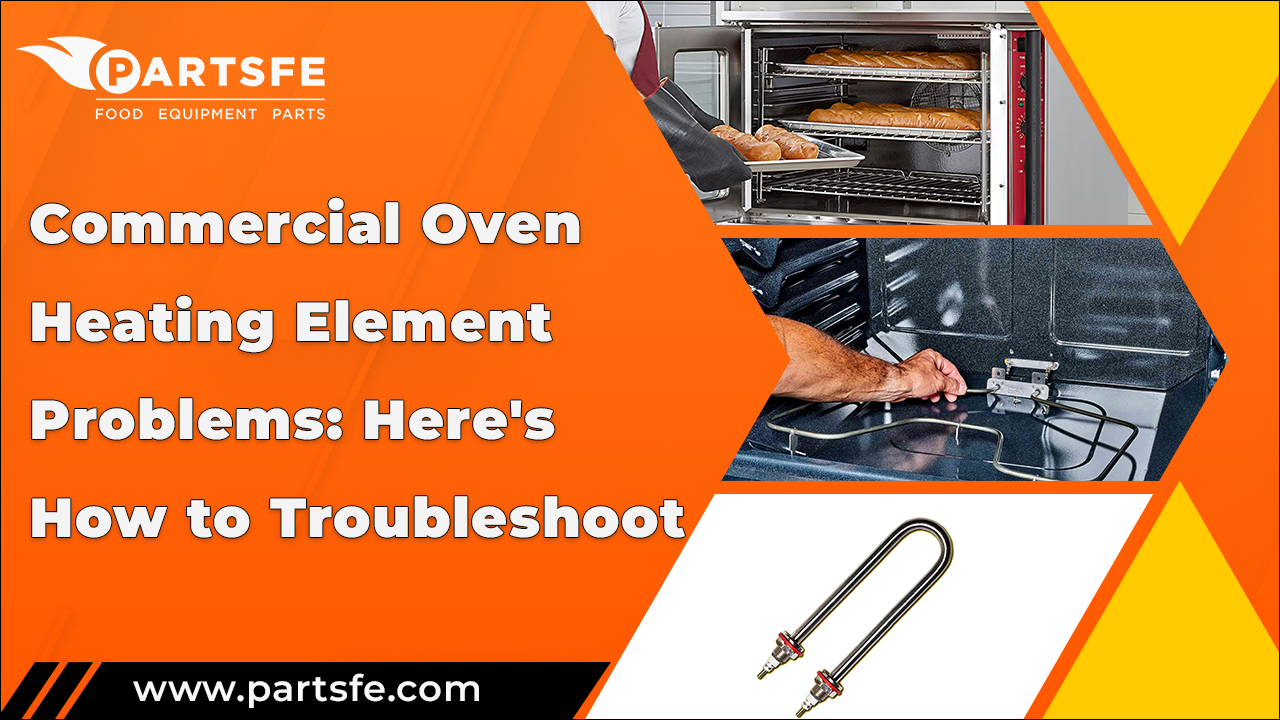
The heating element in a commercial oven is responsible for generating the heat to cook food. Usually, these components produce heat using gas or electricity depending upon the type of oven. In electric ovens a coil or metal strip that heats up as an electric current passes through it serves as the heating element. Because gas ovens use a burner, the fundamentals of heating are still the same. A properly operating electric oven heating element is necessary to provide consistent cooking results in a commercial kitchen where timing and consistency are particularly important. The entire kitchen may be affected by a heating element failure, which could result in extended cooking times, uneven temperatures, or even an oven shutdown.
At PartsFe, we provide top-notch replacement parts for all your oven needs, from heating elements and thermostats to control boards and fan motors. Our easy-to-use online store ensures quick access to reliable, high-quality oven parts, so your kitchen stays efficient and productive.
Signs Your Oven Heating Element May Be Failing
An oven heating element failure displays two distinct warning signs such as temperature irregularities and poor temperature control. The identification of these symptoms will allow you to stop the condition from developing into an expensive and troublesome issue.

Common Heating Element Problems in Commercial Ovens & How to Fix
Common heating element problems can be diagnosed and identified more quickly if you are aware of the basic concerns with heating elements. The most common issues with heating elements are listed here, along with potential fixes to maintain the smooth operating oven.
1. Uneven Heating or Hot Spots
Heating components that experience wear or damage develop fragile structures and tarnish and crack patterns leading to uneven heat distribution. When ovens fail to keep temperatures stable because thermostats are incorrectly calibrated or mismatched the result can be hot patches with uneven cooking.
Tips for Troubleshooting:
-
Examine the component for any cracks: A visual inspection will reveal the damage to the oven's heating element because a cracked or broken element needs oven element replacement.
-
Inspect the oven’s thermostat: Check whether your thermostat accurately detects temperatures because a malfunctioning unit may lead to heating problems.
-
When to contact an expert: A professional needs to check interior components when you cannot find any cracks or your problem stays unresolved after basic modifications. A sign of severe electrical issues exists when this occurs.
2. Oven Not Reaching The Desired Temperature
Because the thermostat may not be able to indicate the element quite often, a malfunctioning thermostat or bad oven heating element repair may prevent the oven from heating to the right temperature. A faulty power supply or wiring, for example, bad wiring or poor connection, which prevents energy from reaching the oven heating element can cause the oven to overheat.
Troubleshooting Tips:
-
Test the heating element: Measure for continuity using the multimeter. The element has to be replaced if no continuity is indicated.
-
Check the thermostat: The wiring and thermostat should be checked for faults as they could be affecting the operation of the oven and temperature control.
-
When to call a professional: When to call a professional:It is also important to seek professional advice if the repair of an oven heating element fails or if you suspect that the thermostat or the power supply is faulty.
3. Heating Element Not Turning On
A faulty oven heating element connector will not switch on if it has a broken connection or an internal fault within the element. In case the oven's fuse is blown or the circuit breaker trips, power supply to the heating element is cut off, and it will not activate.
Troubleshooting Tips:
-
Examine the oven’s power source: Ensure that the oven is well connected to the power supply and receiving electricity.
-
Inspect the element: Test the heating element with a multimeter for continuity and replace it if no continuity is found.
-
When to call a professional: If all these checks are done and the heating element still does not come on, call a professional to inspect the internal wiring and circuit board for more complex problems
Also read on: How To Replace An Oven Thermostat
4. Physical Damage To The Element (Cracks Or Breaks)
Through regular use, commercial oven heating elements may become impaired through wear and tear or actual impact, so they do not perform well at cooking. Cooking is then difficult due to inefficient heating, cooking time is unnecessarily prolonged, or it fails to heat completely.
Troubleshooting Tips:
-
Inspect the wiring: Check that the wiring hooked to the heater element is neither loose nor broken, fraying, or generally damaged in ways that may limit its functionality.
-
Remove the oven’s interior panels: Access the heating element by removing any interior panels or components that may obstruct your view or access to the element.
-
When to call a professional: if you cannot gain access or correct the damage; instead, seek the help of a professional who can safely replace the element without creating further electrical problems.
5. Electrical Issues
Loose connections or bad wiring may disrupt the electrical flow to the electric oven heating element. It might lead to erratic heating or total failure of the heating element. Damaged wiring or connectors are a serious fire hazard apart from bad oven performance. Inspecting and fixing wiring issues periodically is vital for safety and effective operation of the oven.
Troubleshooting Tips:
-
Disconnect Power: Disconnect the oven from the power source before inspecting the wiring so that there will be no chance of electric shock or injury.
-
Inspect the Power Cord: Check the oven's power cord for signs of wear, frays, or cuts. If the power cord is damaged, it needs to be replaced.
-
Check the Terminal Block: Open the terminal block. Check it where the oven is connected via a power cord for loose connection. Replace if damaged oven heating element connector exists.
-
Replace faulty Relays or Switches: There might be some problems in oven's relays or switches even if the wiring problem has been sorted. Use a multimeter to check them, then replace them.
-
When to call a professional: If unsure on how best to inspect or replace the wiring or relays without electrical hazards, then it is best to call a professional technician.
6. Overheating Or Burning Smells
Melting and burning smells coming from the oven heating element melting indicate an issue with the heating element, insulation, or buildup of food debris inside the oven. This can be a problem to its performance and safety.
Troubleshooting Tips:
-
Turn Off and disconnect the power: Ensure the oven is totally powered off and disconnected from the electrical supply before inspecting for any possible accidents.
-
Clean the interior of the oven: Remove all food debris, grease, or spills from the oven interior. Use a non-abrasive cleaner and warm water to wipe down the walls, floor, and ceiling. Regular cleaning helps maintain proper heat distribution and avoids any obstruction of airflow.
-
Inspect oven Ventilation: Check for any blockages caused by grease, food, or dust on the ventilation holes or exhaust fan. Poor ventilation may cause the oven to heat unevenly and can even cause overheating. Clean out any debris with a soft brush or vacuum.
-
When to call a professional: If the oven heating element melting persists or if you’re unable to locate the source of the burning smell, call a professional technician to evaluate the oven's internal components.
7. Frequent Tripping of Circuit Breakers
Frequent circuit tripping tends to indicate overcurrent flow which, in all probability, must be caused by the presence of some form of a short circuit, a wrong or faulty component element, and probably wiring, making it hazardous without being corrected.
Troubleshooting Tips:
-
Check the Oven's power rating: Have the oven rated power checked by looking at voltage and amperage ratings, These must fit into the amp capacity of a circuit breaker.
-
Inspect the circuit breaker: Look visually for damage to the circuit breaker or signs of wear, like scorch marks or corrosion.
-
Inspect the short circuits: Wiring should be examined for exposed wires or burn marks which may indicate short circuits that require immediate repair.
-
Check for overloaded circuits: Ensure the oven is connected to a dedicated circuit and does not share it with other power-hungry appliances that would overload it.
-
When to call a professional: When the circuit breaker keeps tripping, it might be due to a poor installation, so it's time to call a professional who inspects the wiring and changes the heating element replacement if necessary.
Repair vs. Replace the Heating Element in Commercial Ovens
When your oven heating element fails, the decision has to be made as to whether to repair or replace it. This depends on the severity of the issue. If it has been slightly damaged, it may be viable to fix it. However, if it's completely broken or melted, it should be replaced for safety and reliability purposes.
When to Repair:
-
If the oven heating element break has small problems such as loose connectors or broken wires, it can usually be fixed by tightening or replacing the parts.
-
If the element looks worn out but still heats up evenly, the oven heating element repair might be inexpensive.
When to Replace:
-
If the heating element of the oven is cracked or broken, or if the oven healing element has melted, then it needs to be replaced.
-
In case there are electrical problems that cannot be resolved by mere repairs, such as short circuits or broken connectors, it is best to replace the element.
Replacement of the oven heating element based on the model of the oven and cost of labor. If you decide to replace it yourself, then you save on the labor, but you would still have to buy the replacement part.
Read on: How to Replace Heating Element in Commercial Oven
Preventing Future Oven Heating Element Problems
Regular maintenance is the key to preventing future issues with your oven heating element. Clean the oven regularly to avoid buildup that could damage the element. Perform periodic inspections to spot any signs of wear or damage early. Proper use and avoiding overloading also help prolong the element's lifespan.
-
Regular Inspections: Check the oven heating element from time to time for signs of wear, corrosion, or damage. This can be done early on to prevent major problems later.
-
Clean the Oven Frequently: Dirt, grease, and food debris can collect on the heating element, causing it to overheat or wear out prematurely. Clean the oven interior frequently to prevent buildup.
-
Do Not Overload the Oven: Overloading the oven will make the heating element work harder, and this leads to early wearing out. Never overload your oven during cooking.
-
Proper Use of the Oven: Never slam the oven door as this creates tension on the heating element. In addition, the oven door should be well closed to enable optimal temperature conditions without putting strain on the element.
-
Scheduled Professional Maintenance: Consider scheduling regular maintenance with a professional technician to inspect the electric oven heating element and other key components. This can help identify potential issues before they become major problems.
Keep Your Commercial Oven Heating Element in Top Shape
One of the most crucial components in your commercial oven is the oven heating element. If your heating element is located inside your oven and it has either stopped working or the heating element in the oven breaking into a spark, troubleshooting this kind of issue can really be an asset for running a well-coordinated kitchen.
By following the tips in this guide, you’ll be better equipped to handle oven heating element repairs, decide when to replace oven heating elements, and prevent future issues. Regular inspections, maintenance, and prompt action when problems arise will help extend the life of your oven, ensuring consistent cooking performance and minimizing downtime in your kitchen.
FAQs
How to know if a heating element is bad in an oven?
To identify if an oven heating element is bad, look for signs like, the oven not heating up properly, the element not glowing a bright orange color when turned on, visible damage to the element, unusual burning smells, or if food takes significantly longer to cook than usual
Why do oven heating elements fail?
Oven heating elements generally fail due to the constant cycle of extreme temperatures, causing the metal to expand and contract repeatedly, leading to fatigue and eventual breakage
Why is my commercial oven not staying on?
A commercial oven that won’t stay on may have issues with the power supply, thermostat, igniter, or gas line (for gas ovens). These problems often require professional diagnosis and repair.