9 Best Methods to Fix Gas Solenoid Valve Issues in Commercial Grills
Gas solenoid valves play a critical role in commercial grills by controlling the flow of gas safely and efficiently. When these valves malfunction, it can lead to uneven heating, difficulty igniting, or complete shutdown of the grill—disrupting kitchen operations and causing costly downtime. Understanding how to troubleshoot and fix solenoid valve issues is essential for maintaining smooth performance and safety in busy commercial kitchens.
This guide outlines nine effective methods for commercial grill gas solenoid valve repair, covering everything from simple cleaning and electrical checks to replacement techniques. These solutions help chefs and kitchen staff quickly restore optimal function. Keeping your grill’s gas solenoid valve in top condition ensures consistent cooking results and a safer working environment.
What is a Gas Solenoid Valve and How Does It Work in Commercial Grills?
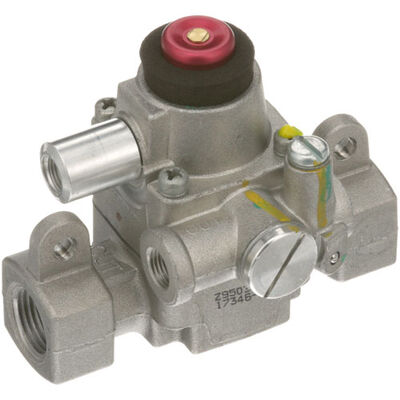
A gas solenoid valve is an automatic device that regulates the flow of gas in commercial grills by opening or closing in response to electrical signals. It is a key safety and control component that manages gas supply efficiently.
How It Works:
-
The valve contains an electromagnetic coil called a solenoid that generates a magnetic field when energized by electricity.
-
This magnetic field moves a plunger or diaphragm inside the valve, opening it to allow gas to flow to the burners.
-
When the electrical current is cut off, a spring pushes the valve closed, instantly stopping the gas flow.
Role in Commercial Grills:
-
The solenoid valve controls gas flow during the ignition process and throughout cooking.
-
When the grill is switched on, an electrical signal opens the valve, allowing gas to reach the burners.
-
If the flame extinguishes unexpectedly, the valve shuts off gas automatically to prevent leaks and potential hazards.
Benefits:
-
Offers precise, reliable control over gas flow for consistent grilling performance.
-
Enhances user safety by preventing gas leaks and fire risks.
-
Helps maintain steady burner operation and optimal cooking temperatures.
-
In summary, the gas solenoid valve is essential for safe, efficient, and dependable commercial grill operation.
Looking to fix your gas solenoid valve quickly? PartsFe offers top-quality parts like solenoid valves, regulators, and burners from leading brands such as Star Manufacturing, Frymaster, and Blodgett. Get the right parts fast and keep your commercial grill running smoothly!
Top Signs Your Commercial Grill Gas Solenoid Valve Is Failing
A failing gas solenoid valve can cause hidden issues. Spotting early signs helps avoid breakdowns and keeps your grill safe.
-
Delayed Gas Flow When Starting the Grill: A delay between turning on the grill and gas flow often means the gas valve not opening grill properly.
-
Electrical Overheating or Burn Marks Near the Valve: Scorch marks or heat around the valve signal electrical issues or coil failure.
-
Erratic Burner Behavior Under Load: Uneven heating or intermittent burner function suggests poor gas flow regulation.
-
Intermittent Valve Clicking Sounds: Multiple or irregular clicking sounds mean the valve may be rapidly opening and closing.
-
Frequent System Reset or Error Codes: Unexpected resets or error messages related to the gas flow point to valve problems.
-
Gas Odor Without Flame: Smelling gas when the flame is off means it’s time for grill gas leak detection to find leaks or sealing issues.
Common Causes of Gas Solenoid Valve Issues
Gas solenoid valves in commercial grills can develop problems due to various underlying factors. Understanding these causes helps prevent failures and keeps your grill running safely and efficiently.
-
Contaminated Gas Supply: Dirt, dust, or debris in the gas line can clog the valve’s internal components. This buildup restricts gas flow and causes the valve to malfunction.
-
Electrical Power Fluctuations: Voltage spikes can damage the solenoid coil, causing erratic valve operation or failure, sometimes needing a gas grill regulator reset.
-
Exposure to Moisture: Moisture entering the valve causes corrosion and rust on metal parts. Over time, this damages the valve’s functionality and causes leaks.
-
Gas Pressure Issues: Too high or too low gas pressure can strain the valve’s components, causing it to malfunction or fail prematurely.
-
Improper Installation or Alignment: Incorrect mounting or misaligned fittings place stress on the valve. This can cause leaks or prevent the valve from opening and closing properly.
-
Faulty Control System: Malfunctioning thermostat or ignition controls can send incorrect signals to the valve. This causes it to open or close at the wrong times, stressing the solenoid.
-
Excessive Heat Exposure: High temperatures near the grill can degrade electrical coils and valve materials. Prolonged heat exposure shortens the valve’s lifespan.
Safety Precautions Before Troubleshooting Your Gas Solenoid Valve
Before gas solenoid valve troubleshooting, always follow safety precautions to protect yourself and ensure safe repairs.
-
Turn off the gas supply completely before inspecting the valve.
-
Disconnect the power source to avoid electrical shocks.
-
Ensure the grill is cool to prevent burns or fire hazards.
-
Work in a well-ventilated area to avoid gas buildup.
-
Use proper personal protective equipment, like gloves and safety glasses.
-
Keep a fire extinguisher nearby in case of emergencies.
-
Avoid using open flames or sparks near the grill during troubleshooting.
-
Follow manufacturer guidelines and safety instructions strictly.
9 Best Methods to Fix Gas Solenoid Valve Issues in Commercial Grills
Commercial grills rely heavily on gas solenoid valves for safe, efficient operation. When issues arise, these unique methods can help you fix problems effectively:
1. Ultrasonic Cleaning for Precision Debris Removal: Use ultrasonic cleaners for grill solenoid valve cleaning to remove dirt and grease that regular cleaning misses, ensuring smooth valve movement.
2. Coil Rewinding Instead of Replacement: If the solenoid coil is damaged but the core is intact, consider professional coil rewinding to save costs and restore valve function without a full replacement.
3. Installing Inline Gas Filters: Add an inline gas filter before the valve to trap contaminants from the gas supply, preventing future clogging and extending valve lifespan.
4. Thermal Insulation Wraps: Wrap the valve in heat-resistant insulation to protect it from excessive grill heat, reducing thermal stress and prolonging coil and seal life.
5. Pulse Testing with a Multimeter: Use pulse testing techniques to diagnose intermittent coil failures or wiring issues, providing more accurate troubleshooting than static tests.
6. Applying Food-Safe Lubricants on Moving Parts: Use specialized, food-safe lubricants on valve components to reduce friction and prevent sticking without contaminating food.
7. Retro-fitting Smart Sensors: Install smart sensors to monitor valve temperature and operation in real-time, allowing early detection of faults before failures occur.
8. Magnetic Field Optimization: Fine-tune the solenoid’s magnetic field by adjusting coil tension or using stronger magnets to improve valve response speed and reliability.
9. Controlled Gas Pulse Cycling: Use a controlled pulse of gas pressure during valve startup to dislodge minor blockages internally without dismantling the valve.
These advanced methods blend technology and smart maintenance for a long-lasting, trouble-free gas solenoid valve in your commercial grill.
Check out this guide on grill temperature control on commercial gas grills for mastering perfect cooking every time.
How to Test if Your Gas Solenoid Valve Fix Worked
After fixing a gas solenoid valve in your commercial grill, it’s essential to perform a complete test to ensure everything is functioning safely and properly. Follow these 7 steps:
Step 1: Reconnect Power and Gas
-
Ensure the grill is powered off before starting.
-
Slowly reopen the main gas valve to restore flow.
-
Reattach the electrical connections to the solenoid valve.
-
Confirm that wires are tight and properly insulated.
Tip: Double-check that all gas valves (both main and appliance-side) are fully open to avoid ignition failure.
Step 2: Listen for the Solenoid Click
-
Turn on the grill or manually energize the valve.
-
Stand close and listen carefully for a clicking sound.
-
The click means the solenoid coil is activating properly.
-
No sound may indicate an electrical failure in the coil or wiring.
Tip: Use a screwdriver to your ear with the tip on the valve body to amplify quiet clicks.
Step 3: Observe Burner Ignition and Flame Quality
-
Ignite all burners and observe how quickly they light.
-
Look for a steady, even, and blue flame across all burners.
-
Weak, flickering, or yellow flames indicate poor gas flow.
-
Confirm that all burners maintain flame during operation.
Tip: If only one or two burners act irregularly, the issue may not be the valve but a blocked burner line.
Step 4: Check Gas Pressure with a Gauge
-
Connect a manometer or pressure gauge at the valve test port.
-
Record both inlet and outlet pressures for accuracy.
-
Compare readings to the manufacturer’s specifications.
-
Too high or too low pressure can point to valve blockage or regulator issues.
Tip: A drop in outlet pressure despite a normal inlet reading often signals an internal valve restriction.
Step 5: Perform a Leak Test
-
Mix water with a small amount of dish soap.
-
Apply the solution around all fittings and joints.
-
Watch for bubbles forming at any connection point.
-
Tighten or reseal fittings immediately if bubbles appear.
Tip: Use a spray bottle for even coverage and easier detection of tiny leaks.
Step 6: Run Built-In Diagnostic Checks (if available)
-
Access the grill’s diagnostic panel or service mode.
-
Scan for fault or error codes related to the valve.
-
Clear old codes after repair and run a fresh scan.
-
Monitor the system for new alerts during test operation.
Tip: Note down all error codes before clearing—repeating codes can help identify underlying problems.
Step 7: Conduct a Short Cooking Cycle
-
Turn the grill on and run it under normal cooking conditions.
-
Observe flame consistency, ignition timing, and heating speed.
-
Listen for any clicking, pulsing, or strange sounds.
-
Ensure burners stay lit with no interruptions or dropouts.
Tip: Monitor closely during startup and shutdown—solenoid valves often show faults at these transition points.
If all of these steps are completed successfully, your gas solenoid valve repair has worked, and your commercial grill is ready for safe, consistent use.
Preventing Future Gas Solenoid Valve Problems in Commercial Grills
Gas solenoid valves are critical to safe and efficient grill operation. Preventive care helps avoid unexpected failures and reduces commercial grill burner issues caused by valve problems.
-
Use Gas Line Moisture Traps: Moisture in gas lines can lead to internal corrosion of the valve. Installing moisture traps keeps the gas dry and prolongs valve lifespan.
-
Schedule Coil Resistance Testing: Periodically test the resistance of the solenoid coil using a multimeter. Sudden drops or spikes can indicate impending failure before it happens.
-
Apply Anti-Vibration Mounts: If the grill vibrates during use, it can loosen connections and stress the valve. Using anti-vibration pads or mounts reduces mechanical wear on fittings and wires.
-
Seal Valve Connections with Food-Safe Thread Compound: Instead of basic tape, use food-grade thread sealants to create more durable, vibration-resistant seals that won’t degrade over time.
-
Log Runtime Hours for Valve Maintenance Cycles: Track the valve’s total operating hours and schedule replacements or servicing based on usage, not just calendar intervals.
-
Conduct Thermal Imaging Inspections: Use a thermal camera to detect unusual heat patterns in the valve or coil, which can signal overheating or restricted gas flow.
-
Use Smart Solenoid Valves with Self-Diagnostics: Upgrade to smart valves that alert you to issues like power loss, coil failure, or restricted flow, allowing preemptive action before failure occurs.
By applying these advanced preventive strategies, you can significantly extend the life of your gas solenoid valves and ensure uninterrupted grill performance in your commercial kitchen.
Check out this guide on how to clean grill grates: effective methods for sparkling, residue-free grilling every time.
Conclusion
Effectively fixing gas solenoid valve issues is vital to maintaining the safety and efficiency of commercial grills. The 9 methods discussed provide practical and proven solutions that address common valve problems, from electrical faults to mechanical blockages. Implementing these techniques ensures reliable gas flow and consistent grill performance.
Regularly diagnosing and repairing solenoid valve issues is an essential part of commercial kitchen grill maintenance. This not only prevents unexpected downtime but also extends the lifespan of your grill. By following these best methods, grill operators can keep their equipment in top condition, ensuring smooth kitchen operations and safe cooking environments.
FAQs
What is the life expectancy of a gas solenoid valve?
A gas solenoid valve typically lasts 5 to 10 years with proper maintenance. Its lifespan depends on usage frequency and environmental conditions.
How do you reset a gas solenoid valve?
To reset, turn off the gas supply and power, wait a few minutes, then turn them back on. This allows the valve to reset and resume normal function.
What are symptoms of a bad regulator on a gas grill?
Common signs include uneven flame, difficulty lighting, or the grill shutting off unexpectedly. A faulty regulator can cause inconsistent gas flow.
How to fix gas solenoid valve in grill?
First, disconnect power and gas, then clean or replace the valve if clogged or damaged. If issues persist, professional repair or replacement may be needed.