Preventing Breakdowns: How to Troubleshoot Your International Cold Storage Walk-In Freezer Like a Pro
Maintaining the reliability and performance of your International Cold Storage freezer is essential for any business that depends on commercial refrigeration. A walk-in freezer that fails can jeopardize inventory, disrupt operations, and drive up energy costs. This long-form guide will walk you through everything you need to know, from understanding the key parts of your unit, identifying common problems to mastering walk‑in freezer troubleshooting and maintenance strategies like a pro.
Whether you own a restaurant, grocery store, or distribution center, learning to troubleshoot your International cold storage freezer will save you time and money. Ready to dive in? Let’s start by exploring why reliability matters so much with your walk-in freezer.
Why International Cold Storage Walk-In Freezer Reliability Matters
A walk-in freezer is the backbone of your cold storage operations. It preserves food, ingredients, medicines, and many other perishables by maintaining a safe, consistent temperature. When your freezer’s reliability falters:
-
Inventory spoils, causing financial loss
-
Energy consumption spikes due to inefficient operation
-
Customer trust and regulatory compliance risk damage
Consistent cooling is crucial. Even small temperature fluctuations can cause ice buildup, frost, or bacterial growth. Recognizing problems early and performing commercial freezer maintenance can prevent costly emergency repairs and extend your freezer’s lifespan.
Before troubleshooting, it’s helpful to understand your freezer’s key components.
Struggling with walk-in freezer breakdowns? PartsFe offers replacement parts like compressors, pressure controls, and evaporator fans from leading brands such as Danfoss, Emerson, and Carrier. Visit PartsFe today for durable solutions to your freezer needs!
Understanding the Key Components of Your International Cold Storage Walk-In Freezer
A walk-in freezer is a complex system of interconnected parts, all working together to maintain optimal storage conditions. Familiarizing yourself with these key components will help you identify and address potential issues during troubleshooting.
-
Compressor: The compressor is vital in the refrigeration cycle, compressing and circulating refrigerant to maintain low temperatures. Without it, the freezer cannot effectively absorb heat from the stored goods.
-
Condenser Coils: Condenser coils expel heat from the refrigerant to the outside air, crucial for maintaining efficient cooling. Keeping these coils clean ensures the system runs smoothly and doesn’t overheat.
-
Evaporator Coils: Evaporator coils absorb the heat from inside the freezer, lowering the temperature. Dirty or frosted coils reduce efficiency, causing the system to work harder and consume more energy.
-
Thermostat: The thermostat controls the freezer's temperature by regulating when the compressor activates. It ensures the environment remains within the desired range, protecting perishable goods from temperature fluctuations.
-
Door Seals and Gaskets: Door seals and gaskets prevent warm air from entering the freezer, maintaining the internal temperature. If damaged, they can cause inefficiency by allowing air leakage and forcing the system to overwork.
-
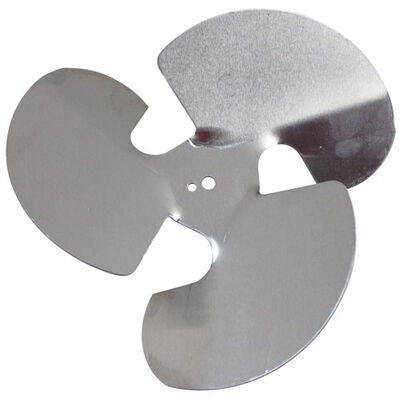
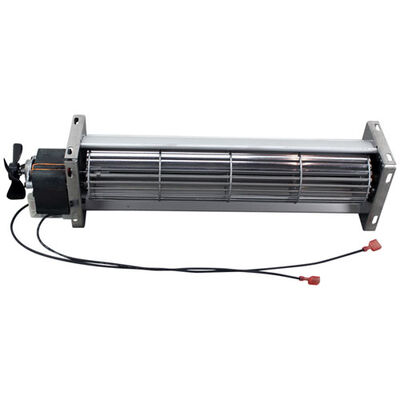
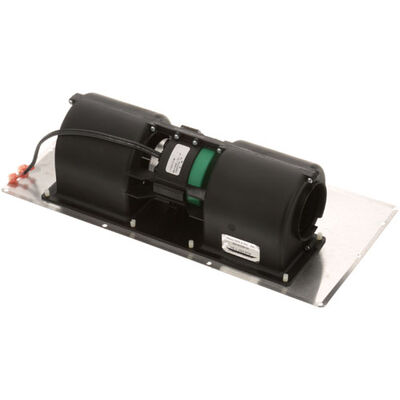
Fans: Fans ensure even air circulation, distributing cold air throughout the freezer. When fans are faulty, certain areas may become warmer, affecting the consistency and quality of stored products.
-
Defrost System: The defrost system manages frost buildup on the coils, preventing airflow blockages. A malfunctioning system leads to ice accumulation, reducing cooling performance and increasing energy usage.
A walk-in freezer not cooling can stem from several interconnected issues. Understanding key components helps identify and troubleshoot the problem.
Identifying Common Issues in International Cold Storage Walk-In Freezers
Several frequent problems can significantly impact the performance of your International Cold Storage walk-in freezer. Recognizing these issues early is crucial for maintaining efficiency and preventing costly repairs or product loss.
-
Temperature Fluctuations: Inconsistent cooling can spoil inventory and disrupt storage conditions for perishable goods. Identifying the source—such as thermostat malfunction or airflow issues—prevents product loss and ensures reliable temperatures.
-
Frost or Ice Buildup: Excessive frost or ice can block airflow and put added strain on the compressor. This reduces cooling efficiency, leading to higher energy consumption and potential system damage if not addressed.
-
Door Seal Failures: Worn or cracked door seals allow warm air to enter the freezer, compromising temperature control. This forces the system to work harder, leading to inefficiency and increased operational costs.
-
Unusual Noises: Buzzing, rattling, or other strange noises from the compressor or fans can indicate mechanical faults. These issues could signal parts in need of repair or replacement to avoid further damage.
-
High Energy Bills: A sudden rise in energy costs suggests that the compressor may be malfunctioning or there could be insulation issues. Identifying the root cause helps prevent unnecessary energy waste and lowers costs.
-
Walk‑in Freezer Compressor Problems: Overheating or a failing compressor can lead to complete freezer shutdowns. Timely professional repair can prevent system failure and extend the life of the equipment.
-
Walk‑in Freezer Defrosting Issues: Malfunctioning defrost systems cause frost buildup, reducing airflow and cooling efficiency. If not resolved, this can lead to further mechanical strain and energy inefficiency.
Step-by-Step Troubleshooting Process for Your International Cold Storage Walk-In Freezer
Proper troubleshooting is key to maintaining your walk-in freezer's efficiency. Follow this commercial refrigeration troubleshooting guide for your International Cold Storage walk-in freezer to quickly identify and resolve cooling issues.
Check Temperature Settings
-
Confirm the thermostat is set to the manufacturer's recommended temperature range.
-
Verify the temperature display or readout matches the actual internal temperature using a separate thermometer.
-
Adjust the thermostat if it’s too high or low, causing inconsistent cooling.
-
Regularly check temperature settings, especially during season changes or after power outages.
Inspect Door Seals
-
Visually inspect the seals for cracks, tears, or signs of wear.
-
Check for any debris that could prevent the door from closing tightly.
-
Perform the "dollar bill test": Place a bill in the door and try to pull it out. If it slides easily, the seal is loose.
-
Replace door seals if they are damaged or too worn to ensure a tight seal.
Examine Evaporator and Condenser Coils
-
Clean condenser coils to remove dirt, dust, and grease build-up using a soft brush or vacuum.
-
Inspect evaporator coils for any visible ice build-up or frost accumulation.
-
Remove any obstructions blocking airflow to the coils.
-
Check if the coils are free of rust, corrosion, or damage that could affect performance.
Assess Frost Buildup
-
Check for excessive frost around the evaporator coils, inside the freezer, or on the freezer walls.
-
Monitor frost accumulation patterns—does it build up quickly? This could indicate a malfunctioning defrost system.
-
Inspect door seals for wear and tear; compromised seals may allow warm air in, causing frost.
-
Clean the evaporator coils and check for proper defrost cycles to avoid blockages.
Listen for Strange Noises
-
Listen for any buzzing, rattling, or clanging sounds from the compressor or fans.
-
Buzzing noises from the compressor might suggest a refrigerant issue, while rattling from the fan could mean loose or damaged parts.
-
Verify the fan blades are rotating freely and not obstructed.
-
If mechanical issues are suspected, consult a professional technician for repairs.
Test Fans
-
Confirm that both the evaporator and condenser fans are running properly.
-
Ensure the fans are rotating in the correct direction for proper airflow.
-
Listen for irregular sounds from the fan motor, which could indicate wear or impending failure.
-
Make sure the fan blades are free from ice, debris, or dust build-up that could impede airflow.
Check Defrost System
-
Inspect the defrost heater to ensure it’s functioning properly.
-
Test the defrost cycle and ensure it’s activating at the correct intervals.
-
Look for any frost build-up around the evaporator coils, which could indicate the defrost system is not working properly.
-
Replace malfunctioning defrost components such as heaters, timers, or sensors to restore proper function.
Evaluate Compressor Function
-
Monitor the compressor for signs of overheating or irregular cycling.
-
Listen for loud noises or unusual vibrations that could indicate a malfunction.
-
Ensure the compressor is running at the correct pressure and temperature if it’s running continuously, it may be struggling.
-
If the compressor is overheating or not cycling properly, it may require professional repair or replacement.
This hands-on, methodical approach to walk‑in freezer troubleshooting guide empowers you to diagnose and often fix problems before they escalate.
Check out this guide on Continental refrigerator troubleshooting to learn how to fix common issues and keep your unit running smoothly!
Preventive Maintenance Tips for International Cold Storage Walk-In Freezers
Regular maintenance is your best defense against breakdowns. Follow these expert walk‑in freezer maintenance tips:
-
Schedule Routine Cleaning: Regularly clean coils, fans, and the interior to prevent dirt buildup and ensure optimal airflow. This reduces strain on the system and improves efficiency.
-
Inspect and Maintain Door Seals: Check door seals for wear and tear to maintain an airtight seal. Clean, repair, or replace them as necessary to prevent energy loss.
-
Defrost System Checks: Ensure the defrost system operates correctly by adjusting its frequency based on your usage. Prevent frost buildup to maintain cooling efficiency.
-
Temperature Monitoring: Install alarms and sensors to track temperature deviations in real-time. Early detection allows for timely adjustments, protecting your stored goods.
-
Airflow Management: Keep storage organized so vents remain unobstructed. Proper airflow ensures even cooling and reduces the risk of temperature fluctuations.
-
Professional Servicing: Schedule annual inspections with a qualified technician to identify potential issues before they escalate. Regular servicing helps maintain the longevity of your system.
-
Electrical Checks: Verify that all wiring and electrical connections are secure and functioning properly. This reduces the risk of electrical failures and potential hazards.
-
Consistent Upkeep: A routine maintenance schedule minimizes costly downtime and extends the lifespan of your freezer. Staying proactive helps ensure it runs efficiently year-round.
Consistent upkeep minimizes costly downtime and keeps your freezer running efficiently.
Check out this guide on how to clean commercial refrigerator condenser coils to ensure optimal performance and energy efficiency!
When to Call a Professional for International Cold Storage Freezer Repairs
While many issues can be managed in-house, some signals indicate it's time to engage a professional for International Cold Storage freezer repair:
-
Compressor failures or abnormal compressor noises
-
Electrical component faults or wiring damage
-
Persistent temperature control problems despite troubleshooting
-
Defrost system malfunctions beyond basic checks
-
Refrigerant leaks or signs of refrigerant loss
Professionals have specialized tools and training to safely and effectively International Cold Storage freezer repair these critical parts, ensuring your walk-in freezer's longevity.
Conclusion: Extending the Life and Performance of Your International Cold Storage Walk-In Freezer
Preventing breakdowns in international cold storage walk-in freezers relies on consistent maintenance and early issue detection. Regularly check components like thermostats, seals, and refrigerant levels to identify and address potential problems before they cause major disruptions.
Staying proactive with inspections and repairs ensures optimal freezer performance and avoids costly downtime. Keeping detailed records of maintenance activities helps identify recurring issues and enhances the overall lifespan of the system. With the right approach, cold storage runs efficiently, ensuring both cost savings and product integrity.
FAQs
What common issues occur in International Cold Storage freezers?
Temperature fluctuations, frost buildup, door seal failures, compressor problems, and defrosting issues are common.
Why is my International Cold Storage freezer not cooling?
Causes include dirty coils, malfunctioning compressor, faulty thermostat, refrigerant leaks, or door seal issues.
How often should I maintain my International Cold Storage freezer?
Routine cleaning and inspections should be monthly; professional servicing is recommended annually.
Can I troubleshoot my freezer myself?
Yes, basic checks like temperature settings, door seals, and coil cleaning are manageable, but complex issues require professionals.
What causes frost buildup in International Cold Storage freezers?
Frost buildup often results from faulty door seals, humid air intrusion, or a malfunctioning defrost system.