Rubbermaid Ice Cooler Parts Breakdown: What to Fix vs Replace
Rubbermaid ice coolers are essential for keeping food and beverages cold during outings, picnics, or kitchen use. Frequent use can wear down components like lids, hinges, and gaskets, leading to cracks, leaks, or reduced cooling performance. Understanding which parts can be repaired versus replaced helps save time, money, and frustration, ensuring your cooler continues to function efficiently.
Identifying the problem is the first step in proper maintenance, since some parts can be repaired or swapped out, while more severe damage requires full replacement. Rubbermaid ice cooler parts keep ice fresh and storage efficient, helping your kitchen stay organized and your ingredients properly chilled.
What Are the Key Rubbermaid Ice Cooler Parts and How Do They Impact Ice Retention?
Rubbermaid ice coolers keep your drinks and food cold through a combination of carefully designed parts. Each component plays a specific role in maintaining ice longer and preventing leaks, and knowing how they function can help you decide whether to repair or replace them.
Key Parts and Their Role in Ice Retention:
|
Part |
Function |
Impact on Ice Retention |
|
Lid |
The lid acts as the main barrier against outside heat and keeps cold air trapped inside the cooler. |
Cracks or warping let cold air escape, reducing ice life. |
|
Gasket/Seal |
The gasket or seal creates an airtight closure around the lid, preventing warm air from entering. |
Damaged gasket allows warm air in, melting ice faster. |
|
Hinges |
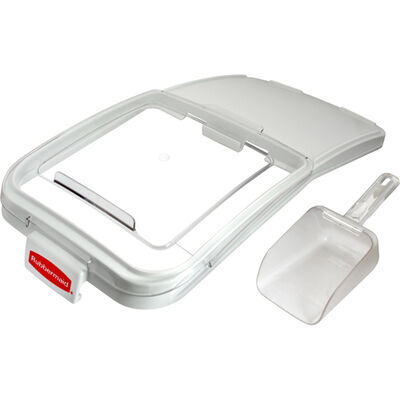
Hinges hold the lid securely in place and allow it to open and close smoothly. |
Loose or broken hinges misalign the lid, compromising the seal. |
|
Body/Insulated Walls |
The insulated walls trap cold air inside the cooler and maintain the internal temperature. |
Cracks or punctures reduce insulation, causing faster ice melt. |
|
Drain Plug |
The drain plug allows melted water to be drained efficiently while maintaining a tight seal when closed. |
Leaks let cold water escape, lowering cooling efficiency. |
|
Handles |
Handles enable safe and stable transport of the cooler, reducing the risk of tipping. |
Weak handles can tip the cooler, jostling ice and contents. |
Which Rubbermaid Ice Cooler Parts Can Be Fixed Without Full Replacement?
Even a durable Rubbermaid ice cooler can develop minor issues over time with regular use. Fortunately, several commonly worn components can be replaced individually rather than discarding the entire unit. Addressing these parts early helps maintain cooling performance and extend the overall lifespan of the cooler.
Common Cooler Parts That Can Be Repaired or Replaced:
-
Lid Alignment Pins: If the lid starts closing unevenly or leans to one side, the small alignment pins may be worn or bent. Adjusting or replacing these pins restores proper closure without touching the hinges.
-
Internal Drain Gasket: Slow leaks aren’t always caused by the drain plug itself; the internal gasket can wear out over time. Replacing this gasket stops hidden seepage and helps keep ice from melting prematurely.
-
Handle Mounting Brackets: Cracked or weakened mounting brackets can make handles feel loose or unstable. Swapping only the brackets restores strength and safe carrying without replacing the entire handle.
-
Lid Stop Tabs: When the lid falls back too far or strains the hinges, worn stop tabs are often the culprit. Reinforcing or replacing these tabs prevents misalignment and protects the lid from damage.
-
Drain Cap Tether: A frayed or broken tether can result in losing the drain cap, which compromises the cooler’s seal. Replacing just the tether keeps the cap secure without installing a new plug assembly.
-
Tie-Down Slot Reinforcement: Cracks or wear in the tie-down slots can weaken the cooler during transport. Strengthening these slots with epoxy maintains stability without replacing the entire body.
Note: Keep a small maintenance kit handy with spare gaskets, pins, and tethers. Quick replacements prevent minor issues from turning into a full cooler replacement.
Wondering how to repair your ice coolers affordably? Explore high-quality kitchen equipment spare parts supplier for commercial restaurants, for the best prices. We carry essential components like lids, hinges, handles, and drain plugs from top brands like Rubbermaid, Cambro, and True. Fast same-day shipping is available on eligible orders.
When to Replace Rubbermaid Ice Cooler Lids, Hinges, Handles, or Drain Plugs?
Even though coolers are durable, some issues are subtle and often overlooked until they affect performance. Recognizing early signs of wear can prevent small problems from turning into the need for a full Rubbermaid ice cooler parts replacement.
Tools You’ll Need for Replacements:
-
Screwdriver set: Flathead and Phillips to remove and secure screws
-
Replacement parts: Genuine Rubbermaid lids, hinges, handles, or drain plugs
-
Pliers: Useful for removing worn hinges or tight fittings
-
Lubricant (optional): Helps hinges move smoothly if slightly stiff
-
Towel or cloth: To dry any residual water before working on the cooler
Signs That Your Cooler Parts Need Replacement:
-
Lids: Replace the lid if you notice uneven pressure when closing or small gaps forming at the corners. Even minor warping can reduce the airtight seal and cause ice to melt faster.
-
Hinges: Hinges should be replaced when they begin to squeak, wobble, or show tiny cracks. Ignoring these signs can lead to lid misalignment and reduced insulation efficiency.
-
Handles: Replace handles if stress fractures appear near the mounting points or the material starts bending permanently. Weak handles risk breaking during transport, potentially spilling ice and contents.
-
Drain Plugs: Replace the drain plug if water drips even when it is closed, or if the tether shows signs of fraying. Early replacement prevents leaks that gradually reduce ice retention and cooling efficiency.
Tips for Maximizing Rubbermaid Ice Cooler Performance:
-
Pre-chill your cooler to reduce ice melt by filling it with ice or cold water before adding food and drinks.
-
Keep the lid closed to prevent cold air from escaping and maintain ice longer.
-
Use ice packs or large blocks of ice to keep your cooler colder for longer.
-
Repair minor leaks or cracks immediately to prevent bigger problems later.
-
Store your cooler in the shade and avoid placing heavy items on the lid to prevent warping or cracks.
Cost Comparison: Repair vs Replace Rubbermaid Ice Cooler Parts
Rubbermaid ice coolers are built to last, but over time, certain parts can fail. Deciding whether to repair individual components or replace the entire cooler often comes down to cost, convenience, and long-term performance. Looking at less obvious parts and hidden costs can help you make a smarter choice.
Evaluating Costs of Repairing vs Replacing Parts:
|
Part |
Repair Cost |
Replacement Cost |
Notes |
|
Lid |
$5–$15 |
$20–$50 |
Large cracks often require full replacement |
|
Hinges |
$2–$10 |
$10–$25 |
Depends on model and hinge material |
|
Handles |
$2–$8 |
$15–$30 |
Plastic handles are cheap to replace |
|
Drain Plug |
<$5 |
$10–$15 |
Washer replacement is usually cheaper |
|
Gasket/Seal |
$3–$10 |
$10–$20 |
Only replace if repairs fail |
Tip: If a repair costs more than 30–40% of the replacement part’s price or fails to restore full functionality, replacement is typically smarter.
Summary: What to Fix vs Replace in Rubbermaid Ice Cooler Parts for Maximum Performance
Understanding the difference between repairable and replaceable components can keep your Rubbermaid cooler performing at its best in a busy commercial kitchen. Simple Rubbermaid ice cooler parts repairs rike fixing hinges or resealing drain plugs, can extend ice retention and prevent minor issues from disrupting operations. For more serious wear, timely replacement ensures your cooler remains reliable, hygienic, and efficient for daily kitchen use.
Key Takeaways
-
Check structural alignment, not just cracks, because even slight warping can reduce insulation efficiency.
-
Reinforce hinge tension by tightening or adding a shim to extend hinge life and prevent misalignment.
-
Pay attention to drain plug seals, as a worn washer or misaligned plug can cause ice melt.
-
Adjust gaskets or add foam padding, since cold retention depends more on seal pressure than insulation thickness.
-
Keep handles tight, because loose handles can tilt the lid and break the cold seal.
-
Perform proactive micro-repairs to address stress points early and prevent costly replacements.
FAQs
How do I properly install the drain plug on my Rubbermaid cooler?
Insert the drain plug fully into the drain hole and tighten by hand until snug. Make sure the washer or O-ring is in place to prevent leaks; avoid overtightening as this can crack the plug.
How long will a Rubbermaid cooler keep ice for?
A Rubbermaid cooler can keep ice frozen for 1 to 5 days, depending on the model, amount of ice, and how often the lid is opened. Using ice blocks, keeping the cooler in the shade, and minimizing lid openings can help extend ice retention.
How do I prevent mold or odors in my Rubbermaid cooler?
After each use, clean and dry the cooler thoroughly, and leave the lid slightly open during storage to allow air circulation.
How do I clea n my Rubbermaid cooler properly?
Use warm water and mild soap to clean the interior, then rinse thoroughly and air dry. Avoid harsh chemicals that can damage the plastic or gasket.
|
Disclaimer: This guide is for informational purposes only and is not a substitute for professional advice. Repair costs and procedures may vary by model. Always follow manufacturer instructions and safety precautions. |