How to Clean a Commercial Deep Fryer in 7 Easy Steps
Commercial deep fryers are exposed to continuous high-temperature cooking cycles, which leads to rapid buildup of oxidized oil, carbon deposits, and fine food particles inside the fry pot. Over time, this residue affects heat transfer efficiency and causes oil to break down faster, resulting in inconsistent frying results and higher operating costs.
Regular cleaning is essential to keep the fryer operating at stable temperatures, maintain oil quality, and prevent buildup that can damage heating elements or burner tubes. A structured cleaning routine also reduces downtime during peak kitchen hours and improves overall food consistency.
This blog explains how to clean a commercial deep fryer in 7 easy and practical steps while helping protect essential commercial fryer parts for long-term performance.
Why Regular Commercial Deep Fryer Cleaning Is Essential
When fryer oil is repeatedly heated around 325–375°F (163–190°C), it undergoes thermal breakdown and produces oxidized compounds, carbon particles, and sticky polymer deposits. These residues settle in the cold zone and gradually coat heating elements or burner tubes, reducing direct heat transfer into the oil.
If cleaning is delayed:
-
Heat transfer efficiency drops as carbon layers insulate heating coils or gas tubes.
-
Oil darkens faster, often within 2–3 frying cycles instead of the typical 5–7 cycles in clean conditions.
-
Fryer recovery time increases by 15–30 seconds per batch, especially during back-to-back frying.
-
Carbonized sediment hardens in the cold zone, requiring manual scraping during boil-out cleaning.
-
Oil breakdown accelerates, leading to faster smoking and earlier oil replacement.
When these conditions continue over multiple service days, the fryer must operate at longer heating cycles to achieve the same cooking performance, increasing both energy use and oil consumption.
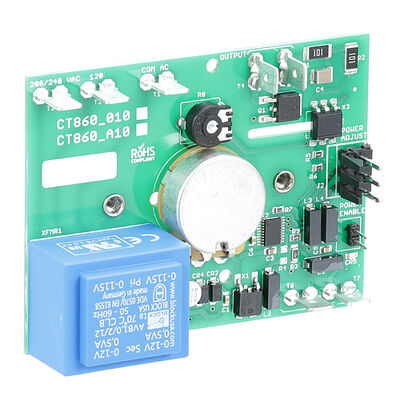
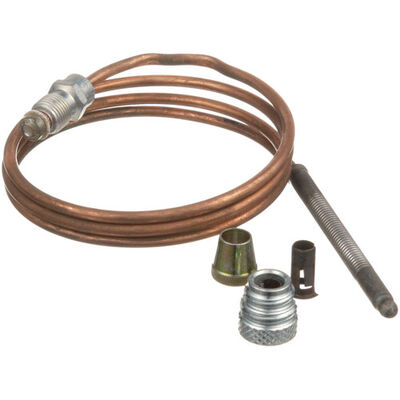
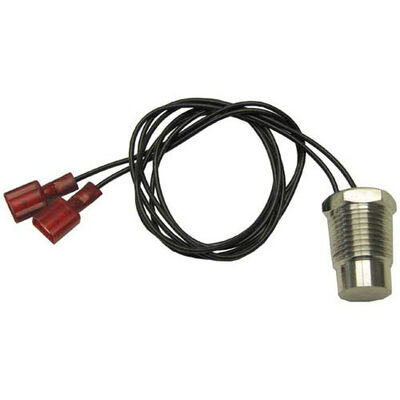
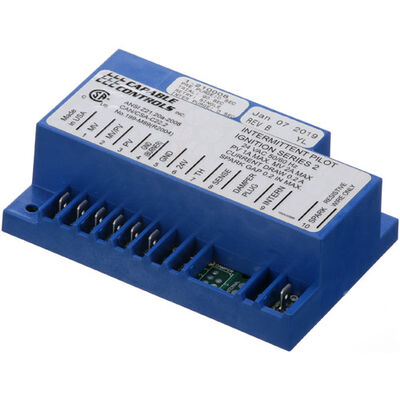
Keep your commercial fryer operating at its best with high-quality commercial appliance parts from PartsFe. Find durable replacement components, including fryer baskets, heating elements, thermostats, drain valves, and high-limit switches to support efficient operation and extend equipment life.
Common Mistakes to Avoid When Cleaning a Commercial Deep Fryer
Commercial deep fryer cleaning requires correct handling of temperature, chemicals, and residue removal. In busy kitchens, skipped steps or incorrect methods can quickly reduce fryer efficiency, damage components, and shorten oil life. Knowing these common mistakes helps ensure a safe and effective cleaning process every time.
Draining Oil at Excessively High Temperatures
Draining oil while it is still very hot increases burn risk and causes loose sediment to circulate, which can clog the drain valve and slow the entire cleaning process.
Using Inappropriate Cleaning Chemicals
Non-food-safe or overly strong degreasers can damage stainless steel surfaces, corrode welded joints over time, and leave residues that affect fresh oil quality.
Scraping Heating Elements With Metal Tools
Using metal scrapers on electric coils or burner tubes can damage protective coatings, reducing heat transfer efficiency and increasing energy consumption.
Ignoring the Cold Zone at the Bottom of the Fry Pot
If sediment is not removed from the cold zone, it re-burns during the next cycle, creating dark oil, off-flavors, and faster oil degradation.
Reusing Boil-Out Solution
Boil-out water becomes saturated with grease after one use. Reusing it reduces cleaning effectiveness and can redeposit dissolved oils onto interior surfaces.
Refilling Oil Before Complete Drying
Even small amounts of water left inside the deep fry pot cause oil splatter during heating and accelerate oil breakdown, shortening usable oil life.
Avoiding these mistakes helps maintain stable frying performance, extends oil life, and reduces unnecessary maintenance issues over time.
How to Clean a Commercial Deep Fryer in 7 Easy Steps
Commercial deep fryers build up carbonized oil, grease, and food particles during daily high-temperature use. If not cleaned on time, this buildup reduces heating efficiency, shortens oil life, and affects food quality. A proper cleaning routine helps keep the fryer stable, safe, and efficient.
Following a structured process also prevents damage to internal parts like heating elements and drain valves while reducing downtime in busy kitchens.
Step 1: Turn Off the Fryer and Allow It to Cool
Switch off the fryer and allow the oil to cool for safe handling. This ensures smoother draining and reduces the risk of burns and splashing during the process.
Step 2: Drain and Dispose of the Used Oil Properly
Drain oil into a filtered container or oil filtration system. Filter reusable oil through a 100–150 micron filter before storage.
Step 3: Remove Fryer Baskets and Clear Out Food Debris
Remove baskets and screens, then clear loose sediment from the cold zone at the bottom of the fry pot.
Step 4: Perform a Fryer Boil-Out with a Cleaning Solution
Fill with water, add boil-out cleaner as per instructions, and heat to 180–200°F for 20–30 minutes to loosen grease.
Step 5: Scrub the Fry Pot and Interior Components
Scrub interior walls, corners, and heating elements using a non-abrasive fryer brush while the solution is still warm.
Step 6: Rinse Thoroughly and Dry All Surfaces
Drain and rinse at least twice with clean water, then dry completely to avoid water contamination in oil.
Step 7: Reassemble the Fryer and Refill with Fresh Oil
Reinstall all parts, close the drain, refill with fresh or filtered oil, and check for proper operation.
Consistent cleaning using these steps helps maintain fryer performance, improves oil quality, and extends equipment life.
Check out How to Replace Your Deep Fryer Filter: Step-by-Step Guide to learn the proper filter replacement process and maintain consistent fryer performance.
Commercial Deep Fryer Maintenance Tips for Longer Equipment Life
Regular maintenance helps a commercial deep fryer maintain consistent heating performance, improve oil efficiency, and reduce unnecessary equipment wear. Following a scheduled maintenance routine also minimizes unexpected breakdowns and extends the service life of key fryer components.
The table below provides a recommended maintenance schedule for commercial deep fryers.
|
Time Period |
Maintenance Task |
Purpose |
|
After every 3–5 cooking cycles |
Filter fryer oil using a filtration system or a fine mesh filter |
Removes food particles and slows oil breakdown |
|
Daily |
Clean cold zone and wipe fryer exterior surfaces |
Prevents carbon buildup and maintains hygiene |
|
Weekly |
Inspect heating elements or burner tubes |
Ensures proper heat transfer and stable performance |
|
Weekly |
Check drain valve for leaks or blockage |
Prevents oil loss and drainage issues |
|
Weekly or Biweekly |
Perform boil-out cleaning with fryer-safe solution |
Removes hardened grease and internal residue |
|
Monthly |
Verify thermostat accuracy with a calibrated thermometer |
Maintains correct frying temperature and reduces oil degradation |
Following this maintenance schedule helps keep the fryer operating efficiently, improves food consistency, reduces oil replacement costs, and extends the lifespan of the equipment.
Explore Fryer Essentials: Maintaining Deep Fryer Pot and Frying Basket for Commercial Kitchen for better fryer performance and maintenance practices.
Summary: Keep Your Commercial Deep Fryer Running at Peak Performance
Cleaning a commercial deep fryer regularly is essential to keep it operating efficiently and producing consistent food quality. Over time, oil breakdown, carbon deposits, and food residue build up inside the fry pot, which can slow heating performance and affect taste. Following a structured 7-step cleaning process ensures these contaminants are removed safely and effectively.
Along with cleaning, routine maintenance practices such as oil filtration, cold zone cleaning, and timely oil replacement help extend equipment life. When these steps are followed consistently, the fryer maintains stable performance, reduces energy strain, and requires fewer repairs over time.
Key Takeaways
-
Regular cleaning removes carbon buildup and improves fryer efficiency.
-
Proper oil management helps maintain food quality and extends oil life.
-
Boil-out cleaning is necessary to remove hardened grease deposits.
-
Cold zone maintenance prevents recurring contamination and off-flavors.
-
Routine inspections reduce breakdowns and improve equipment lifespan.
-
Stable temperature control ensures consistent frying results.
FAQs
What chemical is used to clean a deep fryer?
A food-safe alkaline boil-out cleaner is used to remove grease and carbon buildup. It breaks down hardened oil deposits without damaging stainless steel or leaving harmful residues.
Can I boil water in a deep fryer to clean it?
Yes, but only with a fryer-safe boil-out solution added. Plain water alone won’t remove grease; the heated solution loosens carbon and oil buildup for effective cleaning.
How often should I clean a commercial deep fryer?
Filter oil daily and remove debris. Perform a full deep clean every 7–10 days in high-use kitchens, or every 1–2 weeks for moderate usage.
|
Disclaimer: This blog is for informational purposes only and is intended to provide general guidance on commercial deep fryer cleaning and maintenance practices. |