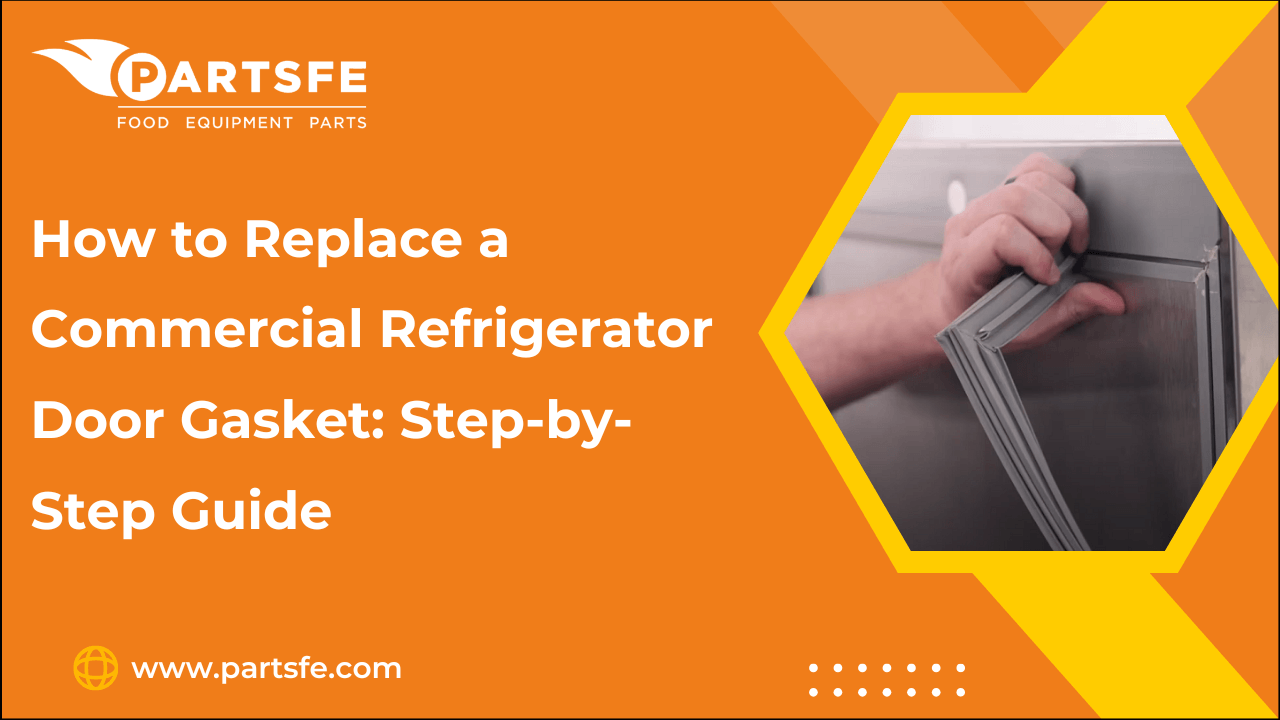
How to Replace a Commercial Refrigerator Door Gasket: Step-by-Step Guide
A damaged or worn-out door gasket on your commercial refrigerator can lead to energy loss, temperature fluctuations, and increased strain on your cooling system. Replacing the gasket promptly is crucial to maintaining proper food storage conditions and keeping energy costs down. Fortunately, this is a relatively straightforward task that you can do yourself with a few basic tools and some attention to detail. Whether you're a business owner, kitchen manager, or maintenance staff member, knowing how to replace a refrigerator door gasket can save you time and money. In this step-by-step guide, we’ll cover everything you need to know to identify a faulty gasket, choose the right replacement, and install it correctly for a secure, airtight seal.
Why Replacing a Commercial Refrigerator Door Gasket is Important
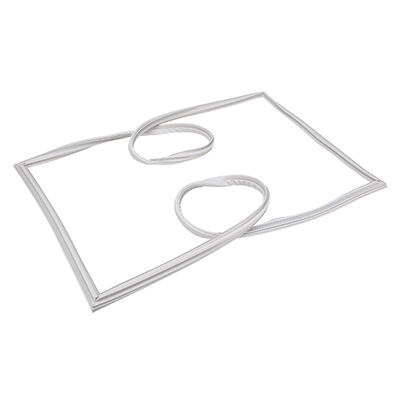
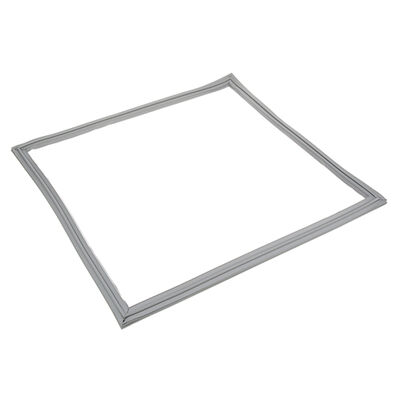
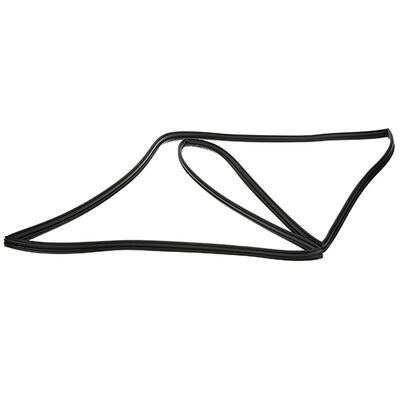
Replacing a commercial refrigerator door gasket is essential to prevent refrigerator door gasket problems like wear and cracking, which can compromise the airtight seal. A damaged gasket lets warm air in and cold air out, reducing efficiency and increasing energy costs. Regular replacement keeps your refrigeration system running smoothly and protects your stored goods.
Key reasons why replacing a commercial refrigerator door gasket is important:
-
Maintains an Airtight Seal: Stops warm air from entering and cold air from leaving, preventing refrigerator door gasket leaking.
-
Improves Energy Efficiency: Reduces the workload on the refrigeration system, lowering energy consumption and utility costs.
-
Preserves Food Quality and Safety: Ensures consistent temperatures, reducing the risk of spoilage and health hazards.
-
Extends Equipment Lifespan: Prevents overworking the compressor and other components.
-
Ensures Regulatory Compliance: Meets health and safety standards required in commercial kitchens and food businesses.
Promptly replacing a worn or damaged gasket and performing timely refrigerator door gasket repair saves money, reduces energy waste, and keeps your refrigerated goods fresh and safe.
Looking for reliable parts to replace your commercial refrigerator door gasket? At PartsFe, you’ll find high-quality refrigerator gaskets, door hinges, and essential condenser fan motors from top brands like Garland, Hobart, and Pitco, everything you need to keep your unit running smoothly.
Essential Tools and Materials Needed for Gasket Replacement
Commercial refrigerator door gasket replacement requires the right tools and materials to ensure a smooth and effective installation. Proper preparation will save time and help achieve a tight, long-lasting door gasket seal.
Here’s what Tools you’ll need:
-
Screwdriver or Nut Driver: To remove the screws holding the door panel or gasket retainer in place, you'll need a screwdriver or nut driver.
-
Heat Gun or Hair Dryer: A heat gun or hair dryer softens the gasket, making it easier to install around corners.
-
Cleaning Supplies: Clean the door frame thoroughly with mild detergent and warm water for better gasket adhesion.
-
Utility Knife or Scissors: Trim the gasket if necessary to get a perfect fit.
-
Contact Adhesive (Optional): Some gaskets need adhesive for a secure hold. Check the instructions.
-
Gloves: To safeguard your hands during the replacement, put on gloves.
-
Putty Knife or Plastic Scraper: To safely remove the old gasket and residue, use a putty knife or plastic scraper.
-
Measuring Tape: Measure the door frame accurately to ensure the new gasket fits properly.
-
Clamp or Clips: Use clamps or clips to hold the gasket in place while the adhesive dries.
-
Flashlight: A flashlight helps inspect tight or dark areas around the door and gasket channel.
The refrigerator gasket replacement procedure will go more quickly and efficiently if you have these supplies and equipment on hand, preserving your refrigerator's peak functionality.
How to Replace the Old Gasket and Install a New One Step-by-Step Guide
Replacing a worn-out refrigerator door gasket is key to keeping your unit efficient and sealed tightly. If you’re wondering how to install refrigerator door gasket properly, follow this detailed step-by-step guide to remove the old gasket and install a new one correctly.
Step 1: Disconnect the Refrigerator
-
To prevent electrical dangers during the repair, always disconnect the refrigerator from the power source first.
-
Additionally, this keeps the compressor from operating needlessly for a long period of time when the door is open.
Step 2: Remove the Old Gasket
-
To reach the gasket, fully open the refrigerator door.
-
Inspect how the gasket is attached some are simply pressed into a channel, others may be held by screws or a retainer strip.
-
Use a screwdriver or nut driver to carefully remove any screws or retainers that may be present.
-
Beginning at one corner, carefully remove the gasket from the door frame.
-
Use a putty knife or plastic scraper to gently remove any leftover adhesive, dirt, or debris in the gasket channel without damaging the door surface.
Step 3: Clean the Door Frame
-
Mix mild detergent with warm water and use a clean cloth or sponge to thoroughly clean the gasket channel and the surrounding door frame.
-
Clear away any dirt, oil, mold, or mildew that might be preventing the new gasket from sealing correctly.
-
Before continuing, use a dry cloth to thoroughly dry the entire area or let it air dry.
Step 4: Inspect and Prepare the New Gasket
-
To inspect the new gasket for flaws or damage, unpack it and set it flat.
-
If the gasket is stiff or difficult to handle, use a heat gun or hair dryer on a low setting to gently warm and soften the rubber, which makes installation easier.
-
Take care not to heat up too much and harm the gasket.
Step 5: Install the New Gasket
-
Start installing the gasket at one corner of the door, pressing it firmly into the gasket channel or onto the door surface.
-
Work your way around the door, making sure the gasket fits snugly without twisting or creating gaps.
-
Reinstall any screws or retainer strips that are used on your model to ensure the gasket is securely fastened.
-
Ensure the gasket is evenly seated and properly aligned along the entire door perimeter.
Step 6: Check the Seal
-
Close the refrigerator door gently but firmly.
-
Examine the gasket surrounding the door edge to make sure there are no openings or weak spots.
-
If you spot gaps, gently adjust or reposition the gasket for a better fit.
-
Use a piece of paper to test the seal by closing the door on it. If the gasket holds it securely, the seal is good.
Step 7: Test and Restore Power
-
Reconnect the refrigerator to the power supply.
-
Monitor the door and gasket over the next several hours to ensure it maintains a proper seal during normal use.
-
Check the refrigerator’s temperature and energy consumption to confirm the gasket replacement has improved efficiency.
Pro Tip: After installing the new gasket, place a heavy book or weight along the door edges and leave it closed for an hour or two. This extra pressure helps “set” the gasket in place, improving the seal and preventing future gaps caused by loose edges.
Check out this guide on whether it’s better to repair or replace a refrigerator to make the best decision for your equipment and budget.
How to Choose the Right Replacement Gasket for Your Commercial Refrigerator
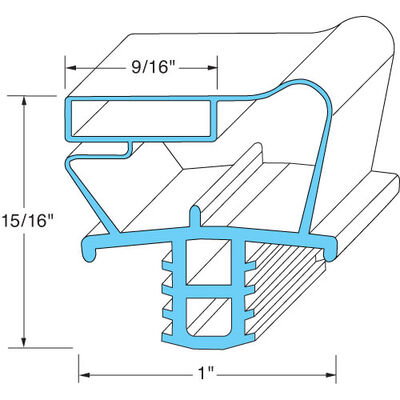
Choosing the right replacement gasket for your commercial refrigerator is essential to ensure a proper seal, maintain energy efficiency, and protect your stored goods. With many gasket types and sizes available, selecting the correct one can feel overwhelming.
Here are some key factors to consider:
-
Check Temperature Compatibility: Some gaskets are designed to withstand very low temperatures without cracking or losing flexibility.
-
Verify Ease Of Installation: Some gaskets come with pre-attached adhesives or flexible designs that simplify installation, saving time and effort.
-
Consider Gasket Flexibility and Resilience: A flexible gasket ensures a tight seal even after frequent door openings and closings.
-
Look for Mold and Mildew Resistant Materials: This helps maintain hygiene and extends the gasket’s lifespan, especially in humid kitchen environments.
-
Access the warranty and customer service: If problems occur, a good warranty and prompt customer care can offer aid and peace of mind.
-
Check for Energy Efficiency Ratings: Some gasket manufacturers provide certifications indicating improved energy savings when using their products.
Types of Commercial Refrigerator Door Gaskets:
Gaskets come in various styles to fit different door configurations and brands. Common types include:
-
Magnetic Gaskets: Use built-in magnets to provide a tight, energy-efficient seal.
-
Compression Gaskets: Rely on pressure from the door to form a secure seal, commonly used in older or heavy-duty models.
-
Push-in Gaskets: Designed to be pushed into a channel around the door frame for easy replacement.
-
Snap-in Gaskets: Snap securely into a groove, making installation quick and tool-free.
-
Dart Style Gaskets: Feature a barbed edge that inserts into a slot on the door, common in many commercial units.
-
Universal Fit Gaskets: Trim-to-size options that can be customized to fit various door sizes and models.
The material and design may vary depending on temperature demands, frequency of use, and equipment brand.
By carefully matching the gasket to your refrigerator’s specifications and usage requirements, you can maintain optimal cooling efficiency and reduce energy costs.
Common Mistakes to Avoid During Refrigerator Door Gasket Replacement
Avoiding common mistakes during gasket replacement is key to maintaining a proper seal and your refrigerator’s efficiency. Errors like poor cleaning, wrong gasket choice, or improper installation can cause leaks and higher energy use.
-
Neglecting to Unplug the Unit: Skipping this important safety step can result in electrical hazards or damage to the compressor.
-
Using the Wrong Gasket: Installing an incorrect gasket that doesn’t fit your specific refrigerator model can cause poor sealing and wasted effort.
-
Neglecting to Clean the Door Frame: Failing to thoroughly clean the gasket channel before installation prevents proper adhesion and can trap dirt or mold, compromising the seal.
-
Forcing the Gasket into Place: Trying to install a stiff or cold gasket without warming it first can cause damage or improper fitting. Always soften the gasket using a heat gun or hair dryer.
-
Ignoring Gasket Alignment: Not aligning the gasket properly around corners or edges can create gaps, reducing efficiency and allowing cold air to escape.
-
Not Securing the Gasket Properly: Forgetting to reinstall screws or retainers, or not pressing the gasket firmly into place, can cause it to loosen over time.
-
Skipping the Seal Check: Failing to test the seal after installation can leave unnoticed gaps that compromise refrigeration.
Avoiding these mistakes helps ensure a successful gasket replacement that keeps your commercial refrigerator running efficiently and your stored goods safe.
How to Maintain Your Commercial Refrigerator Gasket for Long-Term Performance
Maintaining your commercial refrigerator gasket is essential for ensuring long-term performance and energy efficiency. A well-maintained gasket keeps your refrigerator sealed tightly, preventing cold air from escaping and reducing the workload on your unit’s compressor.
To maintain your gasket effectively, follow these key steps:
-
Clean Regularly: Use mild soap and warm water to wipe down the gasket and door frame, avoiding harsh chemicals or abrasive tools that can damage the rubber.
-
-
Keep the Gasket Flexible: Apply a thin layer of food-safe silicone lubricant or gasket conditioner to maintain elasticity and improve sealing.
-
Handle Doors Gently: Avoid slamming the refrigerator door to prevent damage and loosening of the gasket.
-
Ensure Proper Door Alignment: Misaligned doors can cause uneven pressure on the gasket, leading to premature wear and gaps in the seal.
-
Avoid Overloading the Door Shelves: Excess weight can strain the door and gasket, causing it to deform or break.
-
Check for Moisture Buildup: Excess moisture can encourage mold growth on the gasket; wipe it dry regularly to prevent this.
-
Replace Damaged Gaskets Promptly: Don’t delay replacing gaskets that show significant wear to avoid higher energy bills and spoilage risks.
-
Perform Routine Temperature Checks: Consistently monitor the refrigerator’s internal temperature to ensure the gasket is maintaining an airtight seal.
Check out this guide on how to clean commercial refrigerator condenser coils to ensure optimal performance and energy efficiency.
Regularly replacing and properly maintaining your commercial refrigerator door gasket is vital for keeping your refrigeration system running efficiently and protecting your stored products. By avoiding common mistakes, using the right tools and materials, and following careful installation and upkeep practices, you can ensure a tight, long-lasting seal that minimizes energy waste and prevents costly repairs. By taking these preventative measures, you may increase the equipment's lifespan while also promoting food safety and operational dependability in your commercial kitchen.
FAQs
How to replace refrigerator door gasket?
To replace a refrigerator door gasket, first unplug the fridge, remove the old gasket carefully, clean the door frame, then fit the new gasket by pressing it firmly into place and securing any screws or retainers.
How much does it cost to replace refrigerator door gasket?
The cost to replace a refrigerator door gasket typically ranges from $50 to $200, depending on the fridge model and whether you hire a professional or do it yourself.
How to tell if a refrigerator gasket is bad?
Signs of a bad refrigerator gasket include warm spots inside the fridge, condensation buildup, visible cracks or tears on the gasket, and increased energy bills due to a poor door gasket seal.
How to clean refrigerator door gasket?
Clean the refrigerator door gasket regularly with mild soap and warm water using a soft cloth, avoiding harsh chemicals to prevent damage, and ensure the gasket stays flexible and free from mold or debris.