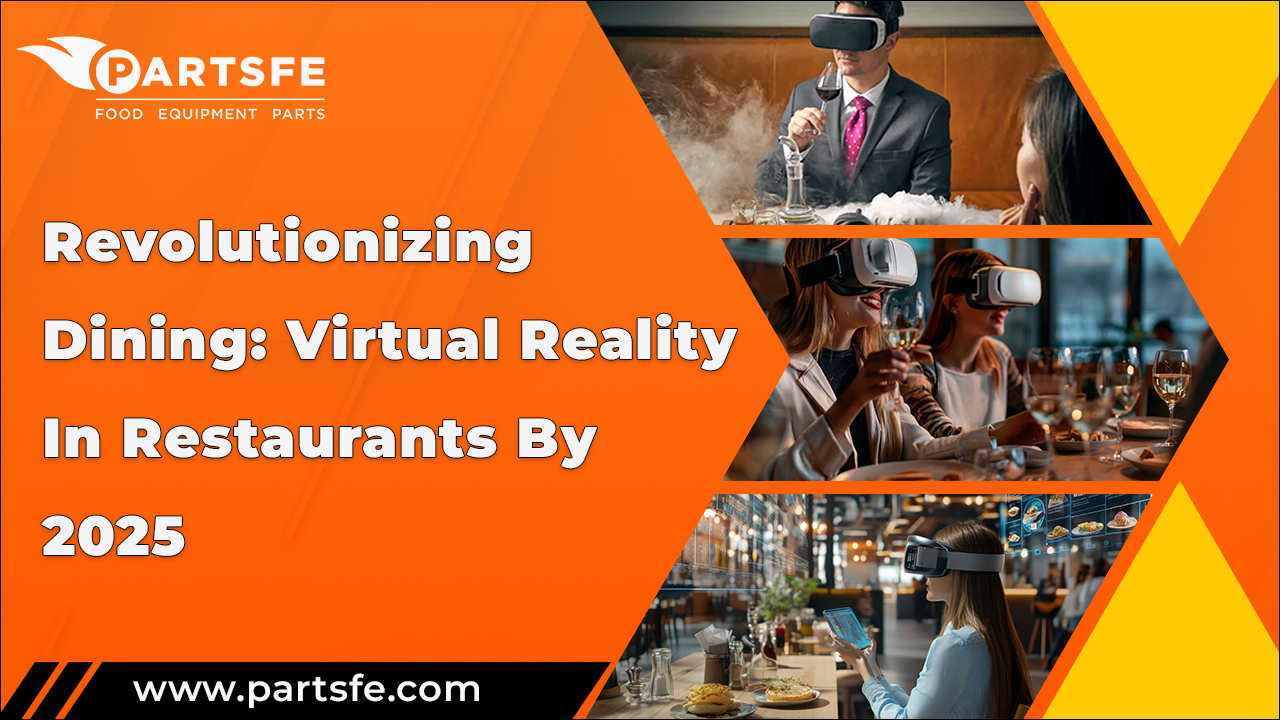
Revolutionizing Dining: Virtual Reality In Restaurants By 2025
The dining experience has always been about more than just food. It’s about ambiance, atmosphere, and the overall journey. As technology continues to evolve, it’s no surprise that the restaurant industry is beginning to explore new ways to enhance and transform how we experience dining. By 2025, virtual reality (VR) is poised to play a significant role in reshaping the dining landscape. This innovative technology has the potential to completely revolutionize how we interact with food, restaurants, and each other. In this article, we explore how VR will influence the restaurant industry, offering a glimpse into the future of dining.
The Rise of Virtual Reality in Dining
While VR has long been associated with gaming, entertainment, and other industries, its application in the restaurant world is only just beginning to emerge. Virtual reality offers the ability to create immersive experiences that can take diners to new places, enhance their connection to food, and elevate the overall dining experience in ways previously unimaginable.
By 2025, VR technology will become more accessible, affordable, and integrated into daily life, allowing it to seamlessly blend into restaurant operations. The potential for VR to create multisensory experiences—from virtual dining environments to interactive food preparation—will open up exciting possibilities for restaurateurs and customers alike.
Is your restaurant ready to embrace the future of dining with virtual reality? Ensure your equipment is up to the task with top-quality parts from PartsFe. We offer a comprehensive selection of commercial kitchen components, including oven thermostats, fryer baskets, ice machine filters, and mixer attachments, to keep your operations running smoothly. Trust PartsFe to provide the essential parts that support your innovative dining experiences.
Immersive Dining Experiences: Escaping to Exotic Locations
One of the most obvious applications of VR in the restaurant industry is the ability to transport diners to virtual environments while they enjoy their meals. Imagine sitting in a fine-dining restaurant, enjoying a gourmet meal, and simultaneously being virtually transported to a sun-soaked beach in the Maldives or a cozy Parisian café. These immersive dining experiences will allow restaurants to create a whole new level of escapism, offering a sensory journey beyond taste.
Through VR headsets or even augmented reality (AR) glasses, diners could immerse themselves in a 360-degree virtual environment that complements the cuisine they are enjoying. For example, a diner having sushi could be virtually placed at a traditional Japanese tea house, complete with serene garden views and soothing ambient sounds. This type of experience can engage the senses in ways that traditional restaurants cannot, heightening the emotional connection to the food.
Additionally, virtual dining experiences will allow restaurants to explore global cuisines in an entirely new way. Diners could virtually travel to different parts of the world to experience authentic local atmospheres while enjoying a meal designed to match the location they are virtually visiting. This fusion of cultural immersion and cuisine could redefine what it means to dine out.
Virtual Reality as a Tool for Personalized Dining
One of the most compelling benefits of VR in restaurants is the ability to offer a highly personalized dining experience. With the help of VR, chefs and restaurant owners could create bespoke experiences for individual customers, tailoring the environment, menu, and even the preparation process to suit their unique preferences.
For example, a diner could input their dietary preferences, past dining experiences, and flavor profiles into a VR-enabled system before they arrive. The system could then recommend a personalized menu and even suggest a specific ambiance to complement their preferences. A vegan diner might be virtually placed in a lush vegetable garden, while a meat lover might be transported to a rustic butcher’s shop.
Moreover, VR could be used to enhance the interactive aspects of dining. Diners could watch the chefs prepare their meal in a virtual kitchen or participate in the cooking process themselves, either through hands-on experiences or immersive cooking tutorials. This personalization, combined with interactive elements, could make dining a much more engaging and memorable activity.
Also Read on: Robots to Analytics: 2025 Tech Trends That Reshape Restaurants
Revolutionizing Menu Presentations with Virtual Reality
Another way VR will change the way we dine is by revolutionizing how menus are presented. Traditional paper or digital menus may soon be replaced by dynamic, interactive virtual menus that allow diners to explore dishes in 3D before making a selection. Instead of simply reading a description of a dish, customers could virtually interact with a digital rendering of the food. They could rotate, zoom in, or see close-up details of ingredients, textures, and presentation before making their decision.
This 3D exploration of dishes could also extend to ingredient sourcing. Diners could virtually visit farms, vineyards, or fisheries where the restaurant sources its produce, meats, or seafood. This would create a more transparent and engaging experience, educating customers about the origins of their meals and fostering a deeper connection with the food they consume.
Additionally, VR could enable diners to learn more about the preparation techniques behind the dishes they order. They could virtually observe the cooking process, from ingredient selection to plating, enhancing their appreciation for the craftsmanship involved in creating their meals.
Enhancing Social Dining with VR Interaction
The social aspect of dining is a core element of restaurant culture, and VR has the potential to enhance this experience in exciting ways. As technology improves, diners will be able to interact with one another in virtual spaces, even when they are physically in different locations. This could be particularly appealing for those who are separated by distance but want to share a meal together.
Virtual reality could allow for shared dining experiences in which friends, family, or colleagues join a virtual dining room, complete with a shared table and even avatars to represent each person. Whether they are eating the same meal or enjoying different dishes, they can virtually sit together and enjoy each other's company in a more meaningful way. This would open up opportunities for global dining experiences and allow restaurants to attract a wider customer base.
Moreover, VR could enable diners to attend virtual cooking classes, participate in group tasting events, or even engage in cooking challenges, creating a more interactive and social dining environment. The ability to bridge physical distances while enjoying the communal experience of dining together is one of the most exciting possibilities of VR technology.
The Impact of Virtual Reality on Restaurant Operations
The benefits of VR in dining go beyond just the customer experience. Restaurant owners and chefs will also be able to leverage this technology to streamline operations, train staff, and improve the overall quality of service. For example, VR simulations could be used to train new chefs in food preparation techniques, or servers could practice customer interaction scenarios in a virtual environment.
Additionally, VR could enable restaurants to conduct virtual tastings or menu testing before launching new dishes. This would allow chefs to gather customer feedback in real-time, making it easier to refine recipes and presentation before introducing them to the broader public. VR could also help restaurateurs test new restaurant layouts, décor, and design concepts before committing to expensive renovations.
Read on: Future of Kitchen Ventilation: Cutting-Edge Restaurant Hood Systems
The Future of Dining Is Virtual
As we look toward 2025, it’s clear that virtual reality will play a pivotal role in transforming the restaurant industry. From creating immersive dining environments to personalizing the dining experience and revolutionizing menu presentation, VR promises to elevate the way we interact with food, restaurants, and one another. While challenges remain, the potential for VR to enhance every aspect of dining—whether social, educational, or experiential—is undeniable. As technology continues to advance, the future of dining will be an exciting blend of innovation, creativity, and sensory exploration. For restaurateurs and diners alike, the revolution is just beginning.
FAQs
What is the future of virtual reality?
The future of VR lies in enhanced immersion across industries, from gaming to education and dining, offering more realistic and interactive experiences.
What is a VR restaurant?
A VR restaurant integrates virtual reality to create immersive dining, where guests experience themed environments, interactive menus, and entertainment.
Is the virtual reality industry growing?
Yes, the VR industry is rapidly growing, with advancements in technology driving its adoption across various sectors, including hospitality and retail.
What is the difference between AR and VR?
AR overlays digital elements on the real world, enhancing it, while VR creates a completely immersive, computer-generated environment.