How Automation Found a New Way to Improve Your Restaurant’s Heart
Technological advancement is rapidly advancing in the restaurant industry. However, the ways of pursuing these objectives are changing at a fast pace: the principles of serving quality food and providing outstanding customer experiences are still the same, but the means of attaining them are quite different. This is where automation plays a critical role in reinventing restaurants, especially in the backbone of any restaurant business, the kitchen. Automation is not just a trend; it is a reality that restaurants who want to be future ready have to adapt to. From cutting costs and reducing cycle times to tackling labor issues, automation has become the magic bullet for improving productivity, cost-effectiveness, and customer satisfaction. In this article, we will try to understand how automation has discovered a new way to amplify the heart of your restaurant.
| Table of Content 1. Redefining Efficiency in the Kitchen 2. Inventory Management Made Simple 3. Enhancing Customer Experience 4. Labor Management Reimagined 5. Advanced Order Fulfillment Systems 6. Marketing and Data Analytics Powered by Automation 7. Sustainability Through Automation 8. Overcoming Challenges with Automation 9. The Future of Restaurant Automation Conclusion: Automation as the Heartbeat of Modern Restaurants |
1. Redefining Efficiency in the Kitchen
The kitchen, where the magic happens, is a hub of activity that requires precision and speed. Automation is helping chefs and kitchen staff handle these demands with ease.
Key Innovations in Kitchen Automation:
- Smart Cooking Appliances: Advanced appliances like combi ovens and multi-functional cookers come preloaded with cooking programs. They monitor temperature, humidity, and timing, ensuring perfect results without constant supervision.
- Food Prep Automation: Robotic arms can now perform repetitive tasks like chopping vegetables, kneading dough, and even flipping burgers. This reduces prep time and ensures consistent quality.
- IoT-Connected Equipment: These appliances provide real-time data on performance, send maintenance alerts, and help reduce downtime through predictive maintenance.
Impact: By automating repetitive and time-consuming tasks, kitchen staff can focus on creativity, innovation, and delivering a memorable dining experience.
Checkout the CleanCold Technology: A Game Changer in Commercial Refrigeration
2. Inventory Management Made Simple
Managing inventory is one of the most complex and critical aspects of running a restaurant. Automation has brought game-changing solutions that help minimize waste, control costs, and streamline the supply chain.
How Automation Transforms Inventory Management:
- Real-Time Monitoring: Automated systems use sensors and AI to track stock levels, ensuring you never run out of key ingredients during peak hours.
- Waste Reduction Tools: By analyzing past consumption patterns, these systems predict future needs, helping you stock efficiently and minimize spoilage.
- Automatic Restocking: When stock levels drop below a predefined threshold, the system places orders with suppliers automatically, eliminating manual errors.
Impact: Automating inventory management not only saves costs but also reduces food waste, contributing to a more sustainable operation.
3. Enhancing Customer Experience
Automation isn’t just for the back of the house—it’s revolutionizing the customer experience, too. From ordering to payment, technology ensures diners enjoy seamless and personalized interactions.
Examples of Automation in Customer Service:
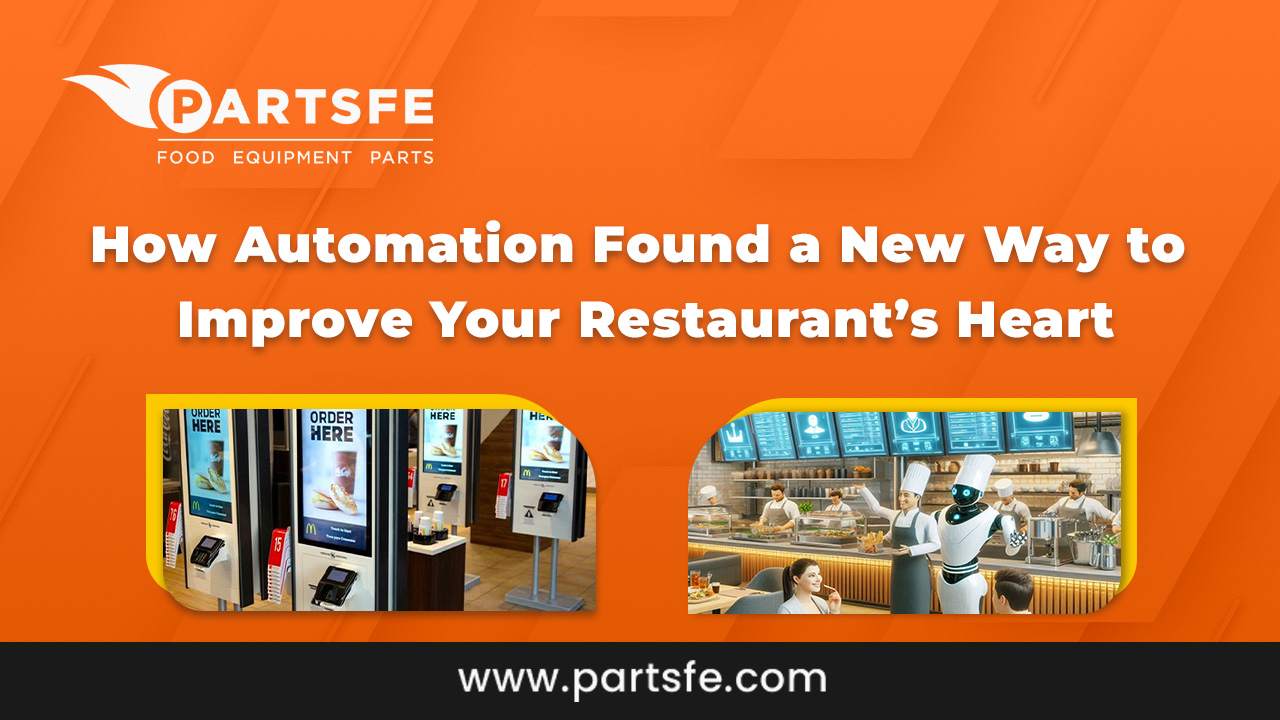
- Self-Ordering Kiosks: These intuitive devices allow customers to customize orders at their own pace, eliminating long wait times and errors caused by miscommunication.
- AI-Powered Chatbots: Whether on your website or mobile app, chatbots handle customer queries, take reservations, and offer personalized recommendations 24/7.
- Table-Side Technology: Portable payment devices and digital menus simplify the dining process, allowing guests to split bills or order additional items effortlessly.
Impact: By streamlining customer interactions, automation boosts satisfaction and loyalty, turning first-time diners into regular patrons.
4. Labor Management Reimagined
Labor challenges, including shortages and high turnover, are significant hurdles in the restaurant industry. Automation provides innovative solutions to manage and support your workforce effectively.
Key Labor Automation Tools:
- AI-Powered Scheduling: Advanced software predicts peak hours and schedules staff accordingly, ensuring optimal coverage while avoiding overstaffing.
- Automated Cleaning Solutions: Robotic vacuums, dishwashers, and sanitation systems take care of repetitive cleaning tasks, freeing staff for more critical roles.
- Training Simulators: Virtual reality (VR) training tools create immersive scenarios, helping new employees learn their roles faster and more consistently.
Impact: Automation reduces the strain on your workforce, improves productivity, and fosters a positive work environment.
Have a look at the Innovative Staff Empowerment: The Key to Dynamic Kitchen Management
5. Advanced Order Fulfillment Systems
The order fulfillment process often determines the speed and accuracy of your service. Automation ensures that orders are handled with precision, even during high-volume periods.
Automating Order Fulfillment:
- Kitchen Display Systems (KDS): Digital screens replace traditional ticket systems, streamlining communication between front and back-of-house staff.
- Food Delivery Robots: Robotic food runners navigate dining rooms, delivering meals directly to tables with zero errors.
- Drive-Thru AI Assistants: Voice recognition tools reduce wait times and improve order accuracy, ensuring a flawless drive-thru experience.
Impact: By reducing bottlenecks in order processing, automation enables faster service, keeping customers happy and operations smooth.
6. Marketing and Data Analytics Powered by Automation
Data is the lifeblood of modern marketing. Automation tools analyze customer behavior and preferences, helping you craft targeted campaigns that resonate with your audience.
How Automation Enhances Marketing:
- Dynamic Loyalty Programs: Automated systems track customer visits and spending patterns, offering personalized rewards that encourage repeat business.
- Social Media Management: AI tools schedule posts, respond to comments, and provide analytics, ensuring your online presence remains engaging and effective.
- Menu Optimization: Data insights identify your best-selling dishes and underperforming items, helping you refine your menu for profitability.
Impact: Automation turns data into actionable insights, driving growth and keeping your restaurant competitive.
7. Sustainability Through Automation
Sustainability isn’t just a buzzword—it’s a necessity for modern restaurants. Automation plays a crucial role in reducing environmental impact while maintaining profitability.
Green Solutions with Automation:
- Energy-Efficient Appliances: IoT-enabled devices optimize energy usage, reducing electricity bills and your carbon footprint.
- Smart Water Management: Advanced dishwashers and faucets use minimal water while maintaining high standards of cleanliness.
- Automated Recycling: Machines sort and compress recyclable materials, making waste management easier and more effective.
Impact: Sustainable practices enhance your brand image, attract eco-conscious customers, and contribute to a healthier planet.
8. Overcoming Challenges with Automation
While the benefits of automation are undeniable, implementing these technologies requires overcoming certain challenges.
Common Hurdles and Solutions:
- Initial Investment: Automation requires a significant upfront cost. To mitigate this, start small by adopting solutions that offer the highest ROI, such as inventory management software or self-order kiosks.
- Staff Resistance: Employees may worry about job security. Address these concerns by emphasizing that automation supports, not replaces, human roles.
- Technical Downtime: Relying on technology means occasional breakdowns are inevitable. Invest in reliable systems and have a maintenance plan in place to minimize disruptions.
Impact: By addressing these challenges proactively, restaurants can transition smoothly into the era of automation.
9. The Future of Restaurant Automation
Automation is continuously evolving, offering new possibilities for restaurant owners. Emerging trends include:
- Voice-Activated Systems: Soon, chefs may operate appliances hands-free, enhancing efficiency and safety.
- Augmented Reality (AR): AR menus could allow diners to see 3D models of dishes before ordering.
- Drone Deliveries: Delivery drones promise faster, contactless food delivery options, reshaping the customer experience.
Impact: Staying ahead of these trends ensures your restaurant remains at the forefront of innovation.
Conclusion: Automation as the Heartbeat of Modern Restaurants
Automation is no longer a luxury; it’s a necessity for restaurants looking to remain competitive in a fast-paced industry. From improving kitchen efficiency and managing inventory to enhancing customer experiences and embracing sustainability, automation is redefining what’s possible in the culinary world.
By integrating automation into your operations, you can ensure your restaurant’s heart beats stronger, providing consistent quality, streamlined workflows, and unforgettable dining experiences. Embrace this technological revolution and watch your restaurant thrive. PartsFe is your one stop shop for all your commercial needs. We offer a wide range of commercial restaurant equipment parts from ovens, fryers, to ice machines, dishwashers at cost -effective prices. Our wide range of inventory includes thermostats, blower motors, water inlet valves, spray arms etc from top-selling brands like Vulcan, Manitowoc, Hobart etc.
FAQs
Will automation replace restaurant jobs?
Automation complements rather than replaces staff by taking over repetitive tasks, allowing employees to focus on customer service and creativity.
Which automation tools are best for small restaurants?
Start with affordable options like inventory management software, self-order kiosks, and energy-saving devices to see immediate benefits.
How does automation improve food quality?
Consistent cooking programs and real-time monitoring ensure that dishes meet exact standards every time.