Eco-Friendly Ovens vs Traditional: Which Saves More in 2026?
Energy bills eating into your restaurant profits in 2026? The type of oven you use could be the reason. Eco-friendly ovens are built to cut energy waste with smarter heat control and faster cooking, while traditional ovens may cost less upfront but often consume more power and run longer.
For commercial kitchens, this difference directly impacts daily operating costs and long-term savings. Investing in an energy-efficient oven can reduce utility bills and maintenance over time, whereas traditional models may lead to higher ongoing expenses.
This blog explains which oven type truly saves more and helps you choose the right option for your kitchen.
Eco-Friendly vs Traditional Ovens in Commercial Use
In commercial kitchens, ovens play a critical role in daily operations, directly affecting cooking speed, energy consumption, and overall efficiency. Choosing between eco-friendly and traditional ovens depends on how often the equipment is used, the scale of operations, and long-term cost considerations. While eco-friendly ovens focus on reducing energy waste and improving performance, traditional ovens remain popular for their simplicity and lower upfront cost.
Below is a quick comparison to help you understand the key differences:
|
Feature |
Eco-Friendly Ovens |
Traditional Ovens |
|
Energy Consumption |
Lower energy usage with optimized heat control |
Higher energy usage due to heat loss and longer cycles |
|
Cooking Technology |
Convection systems, smart controls, even heat distribution |
Basic heating elements or gas flame |
|
Preheating Time |
Faster preheating |
Slower preheating |
|
Cooking Efficiency |
Faster and more consistent results |
Longer cooking time, less consistency |
|
Operating Cost |
Lower daily utility costs |
Higher ongoing energy expenses |
|
Upfront Cost |
Higher initial investment |
Lower purchase cost |
|
Maintenance Needs |
Less frequent but may need specialized parts |
More frequent but easier repairs |
|
Replacement Parts |
Sensors, fan motors, control boards |
Heating elements, thermostats |
|
Best Suited For |
High-volume, energy-efficient kitchens |
Budget-focused or low-volume kitchens |
Overall, eco-friendly ovens offer better efficiency and long-term savings, while traditional ovens provide a cost-effective and simple solution for smaller or less demanding commercial setups.
Energy Efficiency of Ovens and Its Impact on Operating Costs
Energy efficiency in ovens directly affects how much a restaurant spends on daily operations. Since commercial ovens run for extended hours, inefficient models can lead to significant energy waste and higher utility bills. Eco-friendly ovens are designed to retain heat better, reduce preheating time, and maintain consistent temperatures, helping kitchens operate more efficiently compared to traditional ovens.
How Oven Energy Efficiency Impacts Costs
-
Lower Energy Consumption: Efficient ovens use optimized heating systems and insulation to reduce electricity or gas usage.
-
Faster Cooking Cycles: Technologies like convection cooking speed up food preparation, reducing overall runtime and energy use.
-
Minimal Heat Loss: Better insulation ensures heat stays inside the oven, preventing unnecessary energy consumption.
-
Consistent Temperature Control: Stable heat levels avoid repeated cooking cycles, saving both time and energy.
-
Reduced Utility Bills: Continuous energy savings lead to noticeable reductions in monthly operating costs.
In a high-demand commercial kitchen, investing in energy-efficient ovens can significantly lower long-term expenses while improving overall productivity and performance.
Check out how the revolutionary combi oven is shaping culinary trends and transforming efficiency in modern commercial kitchens.
How Oven Type Affects Maintenance and Replacement Parts
The type of oven you use, whether eco-friendly or traditional, directly influences how often maintenance is required and what kind of oven replacement parts you will need. In commercial kitchens where uptime is critical, understanding these differences helps reduce unexpected breakdowns and control repair costs.
Maintenance Requirements and Parts in Eco-Friendly Ovens
Eco-friendly ovens use advanced technology, which improves efficiency but also impacts the type of maintenance and parts required.
-
Advanced Components: Use sensors, control boards, and fan motors for efficient performance.
-
Lower Maintenance Frequency: Optimized systems reduce wear and tear over time.
-
Specialized Replacement Parts: Parts may be brand-specific and require professional servicing.
-
Higher Repair Cost (Occasional): Repairs can be costlier due to advanced technology.
Maintenance Requirements and Parts in Traditional Ovens
Traditional ovens rely on simpler systems, making maintenance easier but often more frequent in busy kitchens.
-
Simple Components: Rely on heating elements, thermostats, and basic controls.
-
More Frequent Maintenance: Higher heat exposure and longer cycles lead to faster wear.
-
Easily Available Parts: Replacement parts are widely available and affordable.
-
Lower Repair Cost (Frequent): Repairs are simpler but may occur more often.
Overall, eco-friendly ovens offer reliability with fewer breakdowns, while traditional ovens are easier and cheaper to repair but may require more frequent part replacements.
Initial Costs and Long-Term Savings of Ovens in Commercial Kitchens
When comparing ovens for commercial use, it is important to evaluate both the initial purchase cost and the long-term financial impact. Eco-friendly and traditional ovens differ in how they influence overall expenses over time.
Upfront Investment and Initial Oven Costs
The initial cost of an oven depends on its features, technology, and overall efficiency.
-
Eco-Friendly Ovens: Higher purchase cost due to advanced features like convection systems, improved insulation, and smart controls.
-
Traditional Ovens: Lower upfront cost with basic functionality and standard heating components.
Long-Term Savings and Operating Costs
Long-term savings are influenced by energy consumption, maintenance, and overall efficiency.
-
Eco-Friendly Ovens
-
Lower energy usage helps reduce monthly utility bills.
-
Faster and consistent cooking improves operational efficiency.
-
Less frequent maintenance reduces repair expenses over time.
-
Traditional Ovens
-
Higher energy consumption increases ongoing costs.
-
Slower cooking may affect productivity in busy kitchens.
-
More frequent maintenance and part replacements add to long-term expenses.
Overall, eco-friendly ovens offer better long-term value, while traditional ovens are more affordable initially but can lead to higher operating costs over time.
Explore the commercial oven buying guide covering types, costs, and installation for smarter kitchen decisions.
Summary: Which Oven Type Saves More for Restaurants in 2026?
For restaurants in 2026, eco-friendly ovens generally offer better long-term savings. They use less energy, cook more efficiently, and require less frequent maintenance, making them ideal for high-volume kitchens despite their higher upfront cost.
Traditional ovens are more affordable initially and easier to maintain, but higher energy usage and frequent repairs can increase overall expenses. They are better suited for smaller kitchens or limited budgets, while eco-friendly ovens provide greater value for long-term operations.
Key Takeaways
-
Eco-friendly ovens reduce energy costs and improve efficiency
-
Traditional ovens have lower upfront costs but higher running expenses
-
Long-term savings depend on usage and kitchen scale
-
Maintenance needs vary between both oven types
-
Choosing the right oven helps control overall operating costs
Selecting the right oven ultimately depends on your restaurant’s budget, usage demands, and long-term cost-saving goals.
Shop at PartsFe for high-quality oven parts and commercial kitchen equipment parts to keep your equipment running efficiently. Find reliable parts for ovens, fryers, dishwashers, and more for consistent performance, durability, and fast shipping.
References:
https://chefsicon.com/best-energy-efficient-commercial-ovens/
https://www.energy.gov/cmei/femp/purchasing-energy-efficient-commercial-ovens
FAQs
Are eco-friendly ovens worth the higher upfront cost?
Yes, they can be worth the investment as they help save on utility bills, improve cooking efficiency, and reduce maintenance frequency over time.
Do traditional ovens consume more energy than eco-friendly ovens?
Yes, traditional ovens typically use more energy because they take longer to heat up and may lose heat during cooking.
Which ovens require more maintenance in commercial kitchens?
Traditional ovens usually require more frequent maintenance, while eco-friendly ovens need less frequent but sometimes more specialized repairs.
What replacement parts are commonly needed for ovens?
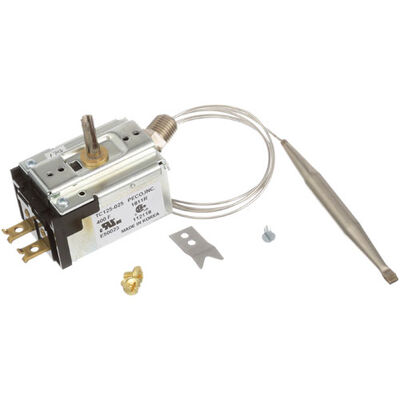
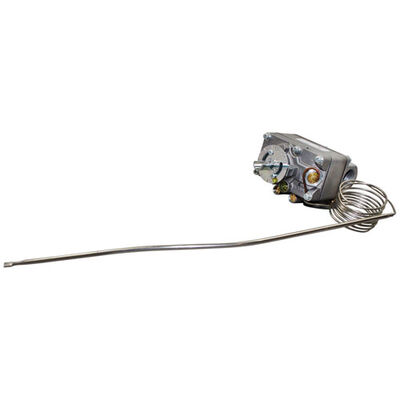
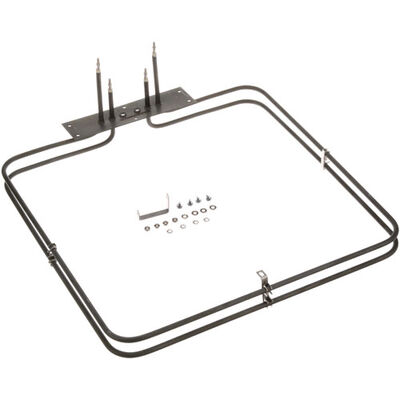
Common parts include heating elements, thermostats, fan motors, sensors, and control boards, depending on the oven type.
|
Disclaimer: This blog is for informational purposes only and provides general information about eco-friendly and traditional ovens. Results and performance may vary depending on usage and operating conditions. |