Faucet Washer vs O-Ring: Which Plumbing Part Fails More Often in Restaurant Sinks?
Restaurant sink faucets operate under constant use throughout the day, making small sealing components critical to preventing water leaks and maintaining reliable performance. Two of the most commonly replaced faucet parts are washers and O-rings, both of which create watertight seals but function in different areas of the faucet assembly.
Although these components are inexpensive, their failure can lead to dripping faucets, leaks around spouts or handles, increased water consumption, and unnecessary maintenance costs. The frequency of failure depends on factors such as faucet design, usage volume, water quality, and exposure to heat and cleaning chemicals.
This blog compares sink faucet washers and O-rings, their common failure causes, and which part typically wears out faster in restaurant sinks.
What Are Faucet Washers and O-Rings and How Do They Prevent Leaks in Restaurant Sinks?
Faucet washers and O-rings are sealing components that prevent water leaks in commercial faucets, but they work in different parts of the faucet assembly. While a washer stops water flow when the faucet is turned off, an O-ring seals gaps around moving components such as stems and swivel spouts.
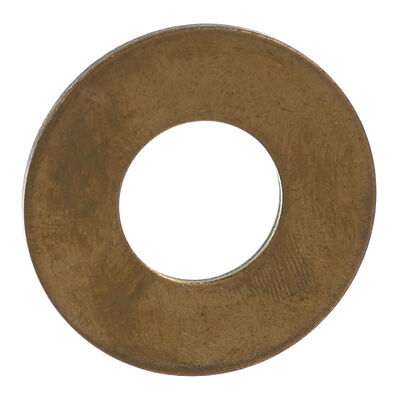
Faucet Washers: A faucet washer is a flat rubber, silicone, or EPDM seal located at the end of a faucet stem in compression-style faucets. When the handle is closed, the washer presses against the valve seat to stop water flow completely.
In restaurant sinks, faucet washers help:
-
Prevent dripping from the faucet spout
-
Ensure complete water shutoff
-
Reduce water waste
-
Maintain consistent faucet performance
Because the washer is compressed every time the faucet is used, it gradually wears down and may cause dripping when it no longer forms a tight seal.
O-Rings: An O-ring is a circular rubber seal installed around faucet stems, cartridges, swivel spouts, and pre-rinse assemblies. Its primary function is to prevent water from leaking around moving or rotating parts.
In commercial faucets and pre-rinse units, O-rings help:
-
Seal swivel spouts and valve stems
-
Prevent leaks around the faucet base
-
Maintain water pressure inside the faucet assembly
-
Allow smooth movement of rotating components
Since O-rings are exposed to constant movement and friction, they can wear out over time, leading to leaks around the spout base, handle, or other moving parts.
Shop high-quality commercial kitchen equipment and plumbing parts at PartsFe to keep your sink faucets operating efficiently and prevent common leaks in busy restaurant environments. Find durable replacement components like faucet washers, O-rings, valve seats, and sealing kits to ensure reliable water control and long-lasting performance.
Common Causes of Faucet Washer Failure in Restaurant Sinks
Faucet washers in commercial sinks fail quickly due to constant use, high water pressure, and mineral-heavy water conditions common in restaurant plumbing systems.
Frequent Faucet Usage
In busy restaurant sinks, faucets are cycled hundreds of times daily. Each shutoff forces the washer against the valve seat under line pressure around 40 to 80 PSI.
This leads to:
-
Flattening of the rubber surface
-
Small cracks on the sealing face
-
Loss of elasticity
-
Dripping even when fully closed
Once the washer deforms, tightening the handle cannot restore a proper seal.
Hard Water Mineral Buildup
Hard water above 7 to 10 grains per gallon leaves calcium and magnesium deposits on the valve seat and washer.
This causes:
-
Rough sealing surfaces
-
Faster washer abrasion
-
Higher friction during operation
-
Persistent leaks even after washer replacement if buildup remains
Excessive Water Pressure
When pressure exceeds normal commercial levels around 60 to 80 PSI, the washer is forced against the valve seat with extra force.
This results in:
-
Faster compression wear
-
Permanent edge deformation
-
Water bypass during partial closure
-
Shorter service life, sometimes reduced to weeks in high-pressure systems
Damaged Valve Seats
The valve seat, usually brass or stainless steel, can develop grooves or corrosion over time.
When this happens:
-
The washer cannot seal properly
-
Water leaks through small gaps
-
Dripping continues after replacement
-
New washers wear out faster if the valve seat is not repaired.
These factors can significantly shorten washer life and lead to recurring leaks. Addressing the underlying cause helps improve sealing performance and reduce frequent replacements.
Why O-Rings Fail in Commercial Sink Faucets and Pre-Rinse Units?
O-rings in commercial faucets and pre-rinse units fail due to constant movement, exposure to cleaning chemicals, and repeated temperature changes common in restaurant kitchens.
Continuous Movement and Friction
In swivel spout faucets and pre-rinse assemblies, O-rings are constantly exposed to rotational and pulling motion during daily use.
This leads to:
-
Surface abrasion from repeated swiveling
-
Gradual thinning of the rubber material
-
Loss of sealing pressure at connection points
Pre-rinse units wear faster due to frequent hose movement, often leading to swivel faucet O-ring replacement during maintenance cycles.
Chemical Exposure from Cleaning Agents
O-rings regularly come into contact with strong cleaning chemicals used in commercial kitchens.
This causes:
-
Hardening of the rubber material over time
-
Loss of flexibility and elasticity
-
Cracking and surface damage under stress
Even moderate chemical exposure can significantly shorten O-ring lifespan.
Temperature Fluctuations
Frequent switching between hot and cold water places continuous thermal stress on the seal.
This results in:
-
Expansion and contraction of the O-ring material
-
Material fatigue after repeated cycles
-
Loosening of the seal over time
This type of stress is a major factor in O-ring wear in commercial kitchen faucets, especially in high-usage sinks.
Improper Installation or Lack of Lubrication
Incorrect installation or dry fitting increases friction during movement.
This leads to:
-
Tearing during rotation or tightening
-
Uneven wear on one side of the ring
-
Early leakage around joints and moving parts
These conditions accelerate O-ring wear and increase the risk of leaks. Regular inspection and proper maintenance helps improve seal life and performance.
Faucet Washer vs O-Ring: Which Plumbing Part Fails More Frequently?
In most commercial sink faucet parts, faucet washers fail more often than O-rings because they directly handle shutoff pressure every time the faucet is used, causing faster compression wear.
When Washers Fail More Often
-
Heavy use of compression faucets
-
Hard water is causing valve seat buildup
-
High or inconsistent water pressure
-
Frequent overtightening of faucet handles
When O-Rings Fail More Often
-
Swivel spout and pre-rinse faucet systems
-
Constant movement and rotation of parts
-
Exposure to cleaning chemicals
-
Delayed maintenance or lubrication
The table below compares faucet washers and O-rings based on failure causes, usage conditions, and leak behavior in commercial sink faucets.
|
Factor |
Faucet Washer |
O-Ring |
|
Main Function |
Stops water flow at the valve seat |
Seals moving or rotating joints |
|
Type of Stress |
Direct compression during shutoff cycles |
Friction from movement and rotation |
|
Common Usage Area |
Compression-style faucets |
Swivel spouts and pre-rinse units |
|
Primary Failure Cause |
Flattening and loss of elasticity |
Wear from movement and chemical exposure |
|
Common Leak Location |
Faucet spout dripping |
Spout base or joint leakage |
|
Failure Frequency |
Higher in traditional faucets |
Higher in high-movement systems |
Overall, faucet washers fail more frequently in traditional commercial sink faucets, while O-rings are more prone to failure in high-movement systems such as swivel spouts and pre-rinse spray units.
Check out Commercial Kitchen Plumbing Requirements: Here's What You Need to Know for plumbing code requirements, maintenance, and long-term efficiency.
Summary: Keeping Restaurant Sink Faucets Leak-Free With Timely Part Replacement
Restaurant sink faucets experience constant daily use, which makes small sealing components like faucet washers and O-rings critical for preventing leaks. Washers typically wear out faster in compression-style faucets due to repeated shutoff pressure, while O-rings fail more often in swivel spouts and pre-rinse units where continuous movement, friction, and cleaning chemicals weaken the seal over time.
Understanding how each part fails helps identify leaks quickly and reduces downtime in commercial kitchens. Regular inspection and timely replacement of worn washers and O-rings ensure consistent water control, prevent wastage, and keep faucet systems operating efficiently under heavy restaurant workloads.
Key Takeaways
-
Faucet washers fail mainly due to repeated compression during shutoff cycles
-
O-rings fail mainly due to movement, friction, and chemical exposure
-
Leak location helps identify the faulty part quickly
-
Hard water and high pressure accelerate washer wear
-
Swivel and pre-rinse systems increase O-ring failure rates
-
Regular maintenance reduces leaks and extends faucet lifespan
FAQs
What are the signs of a bad faucet washer in a restaurant sink?
Continuous dripping from the spout, poor shutoff, and a flattened or hardened washer surface indicate a worn faucet washer.
How long do O-rings typically last in commercial faucets?
O-rings usually last 6 months to 2 years depending on usage, water quality, cleaning chemicals, and movement frequency in commercial kitchens.
Which fails more often in a commercial faucet: a washer or an O-ring?
Washers fail more often in compression faucets, while O-rings fail more in swivel or pre-rinse systems due to movement and friction.
Can a worn O-ring cause a faucet to leak at the handle?
Yes, a worn O-ring can cause leaks around the handle or base where the seal around the stem or joint has failed.
How often should restaurant sink faucets be inspected for washer and O-ring wear?
Restaurant faucets should be inspected every 3 to 6 months to detect early washer and O-ring wear and prevent leaks or downtime.
|
Disclaimer: This blog is for informational purposes only and is intended to provide general information on faucet washer and O-ring performance in sinks. |