Deep Fryer Pot and Frying Basket Maintenance: Best Practices for Commercial Kitchens
Commercial deep fryers handle continuous cooking during busy service hours, but constant exposure to hot oil, food particles, and grease buildup can affect their performance. The fryer pot collects carbon deposits over time, while frying baskets experience wear from repeated loading, lifting, and cleaning.
Neglecting these components can lead to poor food quality, faster oil breakdown, uneven cooking results, and unexpected equipment issues. A proper maintenance routine helps keep the fryer clean, improves cooking consistency, and extends the usable life of essential fryer components.
This blog explains how to clean fryer pots, maintain frying baskets, avoid common maintenance mistakes, and improve commercial fryer performance.
Why Regular Deep Fryer Pot and Frying Basket Maintenance Matters
Regular maintenance of deep fryer pots and frying baskets helps commercial kitchens maintain food quality, reduce oil waste, and prevent equipment issues. Since these components are exposed to high temperatures, grease, and food particles every day, proper care is necessary to keep the fryer working efficiently.
-
Maintains Consistent Food Quality: Cleaning fryer pots and baskets removes carbon buildup and leftover food particles that can affect the taste, color, and crispiness of fried items.
-
Extends Oil Usability: Removing crumbs, grease, and burnt residue slows oil breakdown and helps maintain better frying results between oil changes.
-
Improves Heating Performance: A clean fryer pot allows better heat transfer, helping the fryer reach and maintain the required cooking temperature.
-
Reduces Safety Hazards: Inspecting baskets for damaged mesh, loose handles, or rust helps prevent accidents during daily kitchen operations.
-
Prevents Costly Repairs: Regular cleaning and inspections help identify worn components early, reducing unexpected downtime and replacement expenses.
Proper fryer maintenance keeps equipment efficient, safe, and ready for daily commercial kitchen demands.
How to Clean a Commercial Deep Fryer Pot the Right Way
A commercial deep fryer pot collects grease, food particles, and carbon deposits during daily use. Regular cleaning removes these residues, helps maintain oil quality, and prevents buildup from affecting cooking performance. Follow these steps to clean a fryer pot properly:
Step 1: Turn Off the Fryer and Cool the Oil
Switch off the fryer and allow the oil to cool completely before cleaning. Handling hot oil can cause burns and increase safety risks during maintenance.
Step 2: Drain the Used Oil
Remove the oil from the fryer pot using an oil filtration system or approved container. Filter reusable oil if it is still in good condition or dispose of oil that has reached the end of its service life.
Step 3: Remove Food Particles and Loose Residue
Use a fryer scoop or soft cleaning tool to remove crumbs, breading, and burnt particles from the bottom and sides of the fryer pot.
Step 4: Apply a Fryer Cleaning Solution
Fill the pot with water and add a commercial fryer cleaner according to the manufacturer's instructions. Allow the solution to loosen grease and carbon buildup from the interior surfaces.
Step 5: Scrub Stubborn Grease and Deposits
Use a non-abrasive fryer brush to clean areas with heavy residue, including corners, edges, and the bottom of the pot. Avoid metal scrapers that can damage the fryer surface.
Step 6: Rinse the Fryer Pot Thoroughly
Drain the cleaning solution and rinse the pot several times with clean water to remove chemical residue and loosened debris.
Step 7: Dry Before Adding Fresh Oil
Wipe the fryer pot completely with clean towels and check that no moisture remains. Water left inside the fryer can cause oil splattering during operation.
Step 8: Inspect Before Reuse
Before refilling the fryer, check for leftover residue, drain issues, or signs of wear. Add fresh oil only after the pot is clean and dry.
Proper fryer pot cleaning helps maintain cooking consistency, extend oil life, and reduce equipment problems.
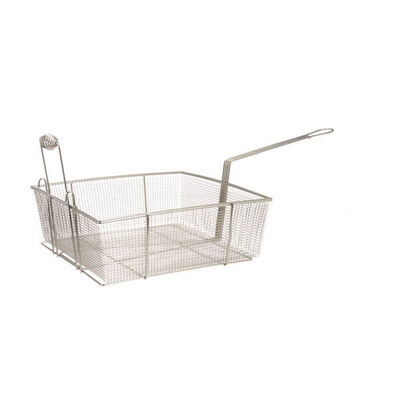
Best Practices for Maintaining Deep Fryer Baskets
Deep fryer baskets are exposed to constant heat, oil, and heavy handling during daily kitchen operations. Proper maintenance prevents grease buildup, keeps food cooking evenly, and helps avoid issues caused by damaged or worn baskets. Follow these practices to keep fryer baskets in good working condition:
Clean Baskets After Each Use
Remove food particles and oil residue from the basket after every shift. Soaking the basket in hot water with a commercial degreaser helps loosen grease trapped between the mesh openings.
Inspect the Basket Mesh Regularly
Check the basket for broken wires, bent sections, rust spots, or damaged welds. A damaged mesh can affect cooking results and may allow food pieces to fall into the fryer pot.
Check Handles and Attachment Points
Inspect basket handles, hooks, and mounting points for looseness or cracks. Secure handles help prevent accidents when lifting heavy food loads from hot oil.
Avoid Overloading the Basket
Do not exceed the recommended food capacity. Overfilled baskets restrict oil circulation, increase cooking time, and can lead to unevenly cooked food.
Remove Excess Oil Before Storage
Allow excess oil to drain after cooking and clean the basket before storing it. Proper drying prevents grease buildup and reduces the risk of rust formation.
Replace Damaged Baskets When Needed
Replace baskets with severe corrosion, broken mesh, or unstable handles. Using worn baskets can affect food quality and create safety concerns in busy kitchen environments.
Regular fryer basket care improves frying consistency, reduces replacement costs, and keeps commercial kitchens operating safely.
Common Deep Fryer Maintenance Mistakes to Avoid
Improper fryer maintenance can lead to faster oil breakdown, uneven cooking results, and unnecessary equipment repairs. Avoid these common mistakes to keep your commercial fryer performing properly:
-
Skipping Oil Filtration: Leaving food particles and crumbs in the oil speeds up oil degradation and causes carbon buildup inside the fryer pot. Regular filtration helps remove debris and maintain oil quality.
-
Using Abrasive Cleaning Tools: Metal scrapers and steel wool can scratch fryer surfaces and damage the interior finish. Use soft brushes and approved cleaning tools to remove buildup safely.
-
Not Drying the Fryer Completely: Moisture left inside the fryer pot can cause oil splattering when fresh oil is added and heated. Always ensure the fryer is completely dry before operation.
-
Overloading Fryer Baskets: Filling baskets beyond their recommended capacity reduces oil circulation and leads to unevenly cooked food and longer cooking times.
-
Ignoring Basket Damage: Using baskets with broken mesh, loose handles, or bent frames can create safety risks and affect frying consistency. Inspect and replace damaged baskets when needed.
-
Delaying Small Repairs: Minor issues like leaking drain valves, loose parts, or temperature problems can develop into major equipment failures if left unattended.
-
Skipping Deep Cleaning: Regular surface cleaning does not remove hardened grease and carbon deposits. Schedule deep cleaning to maintain fryer performance and extend component life.
Avoiding these mistakes helps commercial kitchens maintain safer operations and consistent frying results.
Check out How to Clean a Commercial Deep Fryer in 7 Easy Steps to keep your fryer clean, improve oil quality, and maintain consistent cooking performance.
Summary: Essential Deep Fryer Maintenance Practices for Commercial Kitchens
Maintaining commercial deep fryer pots and frying baskets is essential for keeping cooking quality consistent and preventing avoidable equipment issues. Regular cleaning, oil filtration, proper drying, and routine inspections help remove grease buildup, protect fryer components, and improve daily kitchen operations.
A proper maintenance routine also helps extend the life of fryer parts, reduce oil waste, and prevent safety risks caused by damaged baskets or neglected components. By following scheduled cleaning and repair practices, commercial kitchens can keep their fryers operating efficiently during busy service hours.
Key Takeaways
-
Clean fryer pots regularly to remove grease, food particles, and carbon buildup.
-
Filter cooking oil to improve oil life and maintain food quality.
-
Inspect frying baskets for damaged mesh, loose handles, and rust.
-
Avoid abrasive cleaning tools that can damage fryer surfaces.
-
Dry fryer components completely before adding fresh oil.
-
Address small repairs early to prevent costly equipment downtime.
Keep your commercial fryers operating efficiently with quality kitchen appliance replacement parts from PartsFe. Find essential fryer components, including fryer baskets, pots, heating elements, thermostats, and other replacement parts designed to support regular maintenance and help restore equipment performance.
FAQs
Why does my fryer oil turn dark quickly?
Fryer oil turns dark due to food particles, overheating, poor filtration, and carbon buildup. Regular oil filtering, maintaining proper temperatures, and cleaning the fryer help extend oil life.
How can I prevent grease buildup around my commercial fryer?
Prevent grease buildup by wiping exterior surfaces daily, cleaning spills immediately, removing oil residue after use, and maintaining a regular cleaning schedule around the fryer area.
What fryer parts should be checked during routine maintenance?
Check heating elements, thermostats, drain valves, oil filters, basket handles, and supports during maintenance. Regular inspections help identify worn parts and prevent unexpected fryer performance issues.
|
Disclaimer: This blog is for informational purposes only and offers general information about deep fryer pot and basket maintenance. |