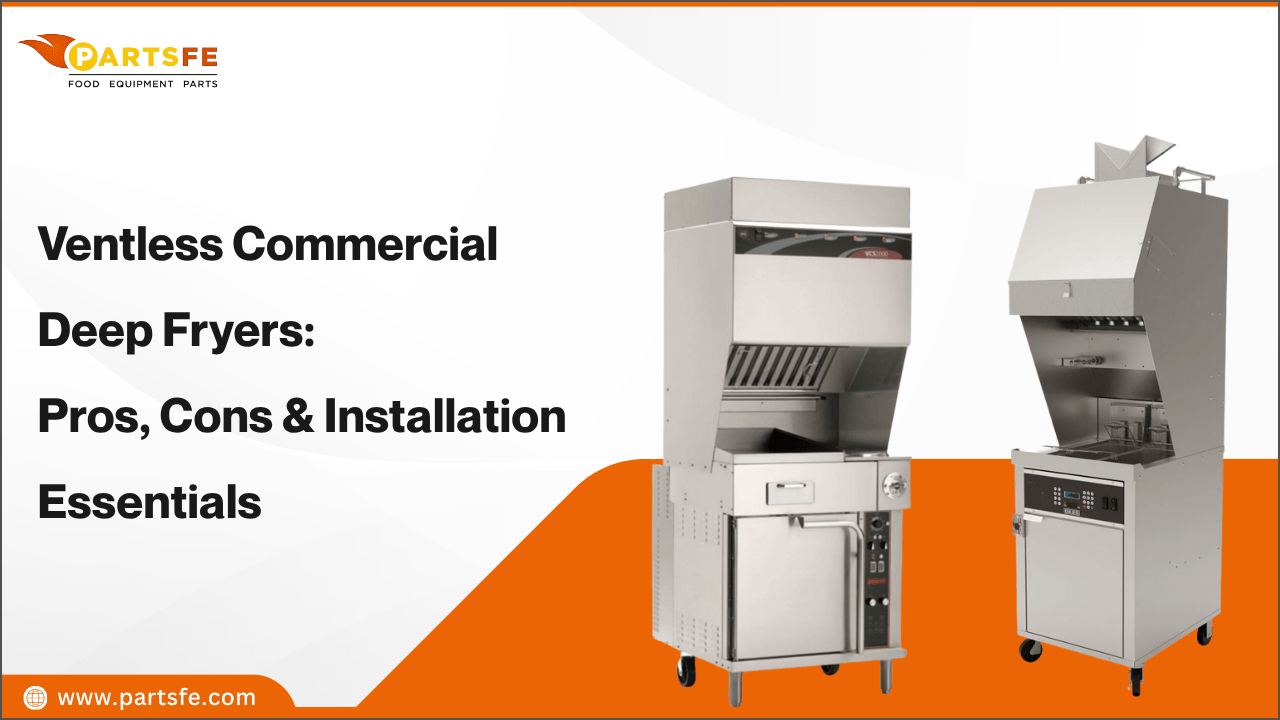
Ventless Commercial Deep Fryers: Pros, Cons & Installation Essentials
Ventless commercial deep fryers are designed for kitchens where installing a traditional exhaust hood is difficult or too expensive. They use built-in filtration systems to capture grease, smoke, and odors, making them suitable for many compact foodservice operations.
These fryers can reduce installation costs, save kitchen space, and simplify equipment setup. However, they also require regular filter maintenance, proper installation, and compliance with local fire and building regulations to operate safely and efficiently.
This blog explains how ventless commercial deep fryers work, their pros and cons, essential installation requirements, and maintenance tips.
What Is a Ventless Commercial Deep Fryer and How Does It Work?
A ventless commercial deep fryer is an electric fryer with an integrated air filtration system that allows it to operate without a traditional Type I exhaust hood in approved installations. Instead of exhausting grease-laden air through ductwork, the fryer captures grease, smoke, and odors, then filters and recirculates the cleaned air back into the kitchen.
The filtration process typically includes the following components:
-
Grease Filter: The grease filter captures large grease particles and oil droplets generated during frying. Regular cleaning helps maintain proper airflow and prevents grease buildup inside the unit.
-
HEPA or High-Efficiency Filter: This filter removes fine smoke particles that pass through the grease filter, helping improve indoor air quality and protect internal components.
-
Activated Carbon Filter: The activated carbon filter absorbs cooking odors and volatile compounds before the air is released back into the kitchen. It should be replaced at the recommended intervals for effective odor control.
-
Integrated Fire Suppression System: Most ventless fryers include an automatic fire suppression system that activates if excessive heat or flames are detected, providing additional protection during operation.
Regular filter maintenance and cleaning of commercial deep fryer parts to ensure efficient filtration, consistent fryer performance, and safe operation.
Pros and Cons of Using a Ventless Commercial Deep Fryer
Ventless commercial deep fryers are commonly used in compact kitchens where installing a traditional exhaust hood is not feasible. These systems combine frying and multi-stage air filtration, allowing grease, smoke, and odors to be processed internally before the air is released back into the kitchen.
To clearly understand their operational strengths and limitations, the comparison below breaks down the key pros and cons.
|
Pros |
Cons |
|
Eliminates the need for a Type I exhaust hood and external ductwork |
Higher upfront purchase cost due to the integrated filtration system |
|
Reduces construction and installation expenses significantly |
Requires regular cleaning and scheduled replacement of filters |
|
Saves overhead space, improving kitchen layout efficiency |
Not suitable for all high-smoke or heavy grease frying applications |
|
Enables installation in locations with ventilation restrictions |
Must comply with strict fire, health, and building codes |
|
Faster installation compared to hood-based fryer systems |
Continuous maintenance needed to maintain airflow and filtration efficiency |
|
Reduces kitchen HVAC load by limiting exhausted conditioned air |
Operating costs increase due to periodic filter replacement |
Overall, ventless commercial deep fryers are effective for space-constrained commercial kitchens, but their long-term performance depends on proper maintenance and compliance with installation standards.
Installation Essentials for Ventless Commercial Deep Fryers
Installing a ventless commercial deep fryer requires more than just placing the unit in a kitchen space. Proper setup ensures safe operation, stable performance, and compliance with local regulations.
Check Local Codes and Approval
Before installation, confirm that the fryer is approved for use in your city or state and meets local fire, building, and health department requirements.
Provide Correct Electrical Supply
Most ventless fryers require a dedicated electrical circuit with specific voltage and amperage. The power supply must match the manufacturer’s specifications exactly.
Install on a Stable & Non-Combustible Surface
Place the fryer on a level, heat-resistant surface to prevent oil imbalance, equipment movement, or safety hazards during operation.
Maintain Required Clearances
Keep the recommended clearance around the unit to ensure proper airflow for the internal filtration system and easy access for maintenance.
Ensure Proper Filter and Fire System Setup
All filters and the built-in fire suppression system must be correctly installed, tested, and activated according to manufacturer guidelines before first use.
Train Kitchen Staff
Operators should be trained on startup procedures, filter status checks, cleaning schedules, and emergency shutdown steps to ensure safe daily operation.
Proper installation ensures safe operation and reliable performance of a ventless commercial deep fryer while meeting code requirements.
Key Factors to Consider When Choosing a Ventless Commercial Deep Fryer
Selecting a ventless commercial deep fryer requires matching equipment specifications with your kitchen’s actual frying load, electrical capacity, and compliance requirements. Each factor directly affects oil stability, cooking consistency, and safe ventless operation.
1. Match Frying Capacity to Daily Production
Choose oil capacity based on output needs:
-
8–12 lb oil capacity for small cafés, light snack menus
-
13–18 lb oil capacity for quick-service or continuous frying operations
Why it matters: If the fryer is undersized, oil temperature can drop below 350°F (177°C) during batch loading, increasing cook time and oil absorption in fried foods.
2. Verify Multi-Stage Filtration System
Look for a system that includes:
-
Grease filter for oil vapor capture
-
HEPA filter (captures particles up to 0.3 microns)
-
Activated carbon filter for odor reduction
Why it matters: Inadequate filtration causes smoke recirculation, and odor buildup can lead to ventless compliance issues in enclosed kitchens.
3. Check Heating Power and Recovery Speed
Heating performance directly affects frying consistency and output speed.
Key performance standards:
-
208V to 240V electrical supply
-
2 to 4 minutes recovery time after frozen load
Why it matters: Slow recovery increases oil breakdown and produces unevenly cooked food.
4. Ensure Proper Electrical Capacity
Ventless fryers require stable electrical support for safe operation.
Most units require:
-
Dedicated 30A to 50A circuit depending on model size
Why it matters: Shared circuits cannot handle simultaneous heating and filtration loads, leading to breaker trips and downtime during service.
5. Confirm Compliance and Installation Standards
Proper certification ensures safe and approved kitchen use.
Check for:
-
UL 710B ventless certification
-
0 to 6 inch installation clearance depending on the model
Why it matters: Non-certified or improperly installed units can fail fire inspections and may not be approved for commercial use.
6. Evaluate Maintenance Accessibility
Key maintenance intervals:
-
The grease filter requires daily cleaning
-
The HEPA filter requires replacement every 6 to 12 months
-
The carbon filter requires replacement every 3 to 6 months
Why it matters: Poor maintenance reduces airflow efficiency, increases smoke buildup, and shortens equipment lifespan.
A properly selected ventless fryer is not defined by size alone but by how well its capacity, filtration strength, power load, and maintenance design align with real kitchen operating conditions.
Check out How to Choose the Right Ventless Commercial Deep Fryer for Your Kitchen to find the best model for your kitchen's cooking needs.
Summary: Making the Right Choice for Ventless Deep Fryer Systems
Ventless commercial deep fryers offer a practical frying solution for kitchens that cannot install traditional exhaust hoods. They use built-in filtration systems to capture grease, smoke, and odors, allowing safe operation in compact or restricted spaces while reducing installation complexity.
However, their performance depends heavily on proper installation, correct electrical setup, and regular filter maintenance. Understanding these requirements is essential to ensure long-term efficiency, compliance with local codes, and consistent frying quality.
Key Takeaways
-
Ventless fryers eliminate the need for external ventilation systems
-
They reduce installation costs and save kitchen space
-
Regular filter cleaning and replacement are essential
-
Not suitable for all high-smoke cooking applications
-
Compliance with local fire and building codes is mandatory
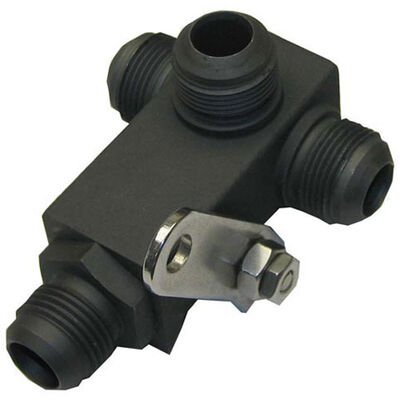
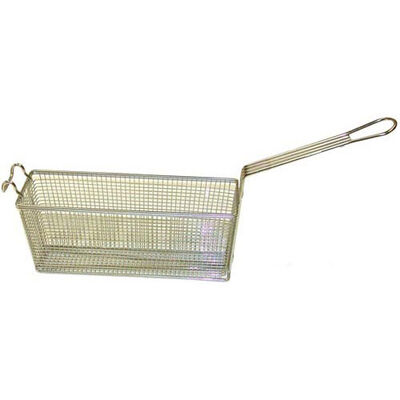
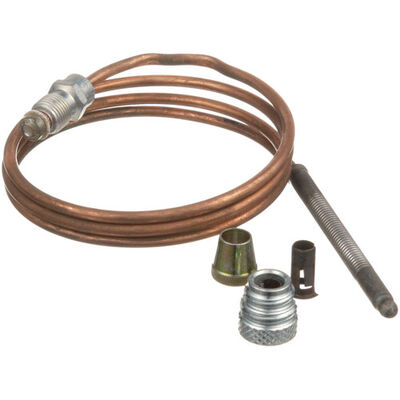
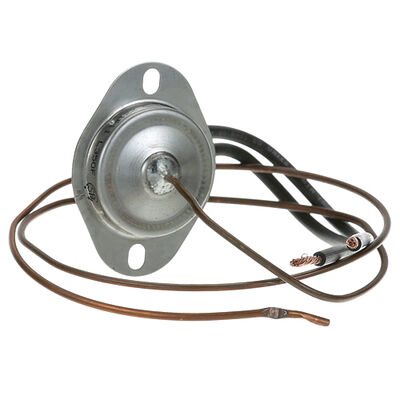
Shop high-quality commercial kitchen equipment parts at PartsFe to keep your commercial deep fryer operating efficiently. Find durable replacement components such as fryer baskets, heating elements, thermostats, temperature probes, and more for reliable performance and longer equipment life.
FAQs
Can a ventless fryer be installed anywhere?
No. Installation depends on local fire, health, and building codes. Even without ductwork, approval is required in most commercial kitchen setups.
What types of food can be cooked in a ventless fryer?
They are suitable for standard fried foods like fries, chicken, and snacks, but may have limitations with high-smoke or heavily breaded items depending on the model.
Are ventless deep fryers energy efficient?
They can reduce HVAC load by minimizing exhausted conditioned air, but overall efficiency depends on usage, maintenance, and proper filter management.