Reinventing the Fry Station: How AI Helps QSR Chains Tackle Turnover and Safety Hazards
Quick-service restaurants (QSRs) in the US are constantly battling high staff turnover and safety hazards at fry stations. Burns, slips, and fatigue-related mistakes make it tough for American chains to maintain smooth operations and top-notch service. Traditional training and oversight often aren’t enough to tackle these risks.
AI is transforming QSR fry stations across America by boosting safety and keeping staff engaged. Smart monitoring systems spot hazards, optimize workflows, and provide real-time guidance to employees. By preventing accidents and streamlining operations, AI helps restaurants lower turnover, enhance efficiency, and create safer, more productive kitchens.
How AI Is Revolutionizing Fry Station Operations in the US
AI is transforming fry stations in US QSRs with solutions that go beyond traditional safety and efficiency. It streamlines workflows, enhances consistency, and optimizes every aspect of fry station performance.
Key ways AI is revolutionizing fry station operations include:
-
Adaptive Cooking Control: AI dynamically adjusts fryer temperature and cook time based on batch size, oil quality, and menu variations, ensuring perfect consistency every time.
-
Ingredient Usage Optimization: AI predicts ingredient needs per shift, minimizing waste and keeping fry stations efficiently stocked.
-
Predictive Bottleneck Management: AI anticipates slowdowns before they occur, automatically redistributing tasks to maintain smooth service.
-
Integrated Multi-Station Coordination: AI synchronizes multiple fry stations and prep areas, optimizing timing so orders are completed simultaneously and served hot.
-
AI-Powered Quality Audits: Computer vision analyzes fried items for color, crispiness, and portion accuracy, flagging inconsistencies in real time.
-
Smart Energy Management: AI monitors fryer energy consumption, optimizing usage without slowing cooking operations.
-
Shift-Based Performance Analytics: AI tracks operational efficiency per shift, enabling managers to fine-tune staffing and workflows for maximum throughput.
AI-driven innovations help US QSRs run fry stations faster, safer, and more consistently, boosting productivity and service quality.
From Chaos to Consistency: AI’s Role in Fry Station Excellence
AI is turning unpredictable, high-pressure fry stations into reliable, high-performing hubs. Here’s how it drives excellence in ways few restaurants currently highlight:
-
Flavor Consistency Optimization: AI analyzes oil chemistry and batch cooking patterns to maintain taste and texture across every order.
-
Dynamic Order Sequencing: AI rearranges cooking sequences in real time based on order mix and prep speed, ensuring all components of an order are ready together.
-
Micro-Shift Task Automation: AI breaks down operations into micro-tasks and allocates them dynamically, reducing idle time and streamlining prep.
-
Proactive Contamination Alerts: AI sensors detect potential cross-contamination or ingredient spoilage before it affects the workflow.
-
Peak-Hour Stress Prediction: AI models staff workload and predicts periods of fatigue, offering actionable adjustments to maintain pace without errors.
-
Cross-Station Coordination: AI ensures fryers, assembly lines, and prep stations work in harmony, eliminating delays caused by asynchronous workflows.
AI-driven innovations turn fry stations from chaotic spaces into precise, high-quality hubs, delivering consistent food and smoother operations.
Reimagining the Fry Station Experience with Smart Technology
Smart technology is not just automating fryers; it’s reshaping the entire fry station experience in ways few QSRs have explored. AI now enables kitchens to operate more dynamically, intelligently, and creatively than ever before.
Key fresh innovations include:
-
Dynamic Menu Prioritization: AI analyzes order patterns in real time and rearranges cooking sequences to minimize wait times for popular items without slowing the overall workflow.
-
Staff Skill-Level Adaptation: Systems adjust task complexity based on the experience level of each employee, allowing new staff to follow simpler workflows while seasoned employees tackle advanced tasks.
-
Cross-Shift Knowledge Transfer: AI tracks process nuances from previous shifts and subtly adjusts workflows or alerts staff to recurring issues, reducing errors across multiple teams.
-
Heat Zoning for Multi-Batch Cooking: Smart fryers dynamically create “micro-zones” within oil vats, cooking multiple items simultaneously at optimized temperatures for different foods.
-
Real-Time Customer Preference Feedback Loops: Integrated AI links fry station output with customer satisfaction data, fine-tuning fry time, crispiness, and portion sizes to match regional taste trends.
-
Adaptive Cleaning Scheduling: AI predicts when fryers and prep areas need cleaning based on operational load, not fixed schedules, preventing downtime while maintaining hygiene.
AI makes fry stations intelligent and adaptive, ensuring smooth shifts, exceptional food quality, and smarter, easier work for staff.
Actions in Action: Transforming Fry Stations Beyond Traditional Limits
Smart features are revolutionizing fry stations, turning chaotic kitchens into precise, efficient, and adaptive hubs. AI-driven capabilities ensure consistent quality and smoother operations.
|
Key Feature |
How It Works |
Impact |
|
Flavor Consistency |
Tracks oil temperature, batch size, and cook time across shifts. |
Guarantees uniform taste, texture, and quality for every order. |
|
Workflow Adaptation |
Adjusts tasks and sequencing based on staff skill levels. |
Reduces errors, helps new staff integrate faster, and maximizes efficiency. |
|
Heat Zoning |
Fryers create micro-zones to cook multiple items at optimal temperatures. |
Ensures each item is perfectly cooked, even during peak hours. |
|
Equipment Alerts |
Monitors fryer wear, oil quality, and component stress in real time. |
Prevents unexpected downtime and extends equipment lifespan. |
|
Feedback Integration |
Links customer feedback to cooking adjustments dynamically. |
Aligns output with regional taste preferences, boosting satisfaction. |
|
Micro-Load Balancing |
Breaks tasks into micro-actions and redistributes them as needed. |
Reduces staff fatigue and maintains smooth workflow under pressure. |
|
Eco Efficiency |
Adjusts energy, oil usage, and waste management based on demand. |
Cuts costs, reduces waste, and minimizes environmental impact. |
Check out the future of frying: ventless commercial deep fryers to explore efficient, space-saving solutions for modern kitchens.
Redefining Kitchen Workflows: AI-Powered Fry Station Insights
AI is reshaping fry station workflows beyond traditional efficiency and safety. Smart systems anticipate needs, adapt in real time, and optimize tasks for better staff performance and food quality.
Adaptive Fatigue Management: Tracks staff movement and workload, suggesting micro-breaks or task swaps proactively.
Workflow insight: During a lunch rush, AI alerts the manager to rotate a fry cook after 30 minutes of high-volume work. This prevents fatigue-related mistakes and ensures consistent food quality.
Interactive Recipe Evolution: Adjusts fry times and portions based on regional customer preferences automatically.
Workflow insight: A QSR in cooks fries slightly crispier during evening shifts, while Florida locations keep them soft without manual recipe changes.
Dynamic Kitchen Space Allocation: Reassigns stations or prep areas in real time to reduce congestion.
Workflow insight: During a sudden spike in online orders, AI shifts prep tasks to less crowded stations, preventing collisions and speeding up service.
Integrated Multi-Sensory Feedback: Uses sound, heat, and vibration sensors to detect potential cooking or equipment issues.
Workflow insight: AI detects a fryer overheating during peak breakfast hours and alerts staff to adjust settings before batches burn, avoiding waste.
Dynamic Order Clustering: AI groups similar orders together to optimize frying cycles and minimize oil use.
Workflow insight: At a drive-thru, AI batches ten large fry orders together instead of cooking them individually, reducing energy use and ensuring all orders are ready at once.
AI-Powered Continuous Improvement Prompts: Suggests workflow tweaks and optimization strategies after each shift.
Workflow insight: After analyzing a weekend shift, AI recommends starting prep five minutes earlier for popular combos, improving speed and reducing wait times.
These AI-driven insights make fry stations efficient, consistent, and smarter for staff.
Turning Fry Stations into High-Performing Hubs with AI
AI is transforming fry stations into smarter, more efficient kitchens by tackling hidden challenges that slow operations and affect food quality.
|
Challenge |
AI-Powered Solution |
|
Invisible Cross-Contamination Risk |
AI detects shared oil or space and alerts staff to prevent flavor or allergen contamination. |
|
Hidden Idle Fryer Energy Waste |
AI monitors idle fryers and partially powers down sections to save energy while staying ready. |
|
Staff Learning Curve During Menu Changes |
AI tracks adaptation to new items and gives micro-guidance for faster mastery. |
|
Peak-Time Synchronization Across Multiple Locations |
AI predicts rushes and suggests staggered prep or staffing to maintain consistency. |
|
Micro-Delay Domino Effect |
AI spots small delays that cascade and redistributes tasks to avoid disruptions. |
|
Hidden Waste from Portion Variability |
AI checks portions in real time and corrects deviations to reduce waste and complaints. |
|
Unseen Sensory Drift |
AI monitors aroma, sizzle, and visuals, prompting adjustments before quality issues arise. |
Read robots to analytics: 2025 tech trends that reshape restaurants to find how automation and data-driven tools are transforming operations and customer experiences.
The Future of Fry Stations: Intelligent, Efficient, and Safe
AI is reshaping fry stations into intelligent, adaptive, and efficient hubs that ensure consistent food quality, safer working conditions, and smoother operations. By leveraging real-time insights, predictive workflows, and automated guidance, QSRs can minimize errors, reduce waste, and optimize staff performance. The future of fry stations lies in fully connected kitchens where technology and human expertise work seamlessly together.
Key Takeaways:
-
AI predicts and prevents operational bottlenecks in real time.
-
Fry quality and portion consistency are maintained automatically.
-
Staff performance is enhanced through ergonomic and task guidance.
-
Energy and oil usage are optimized, reducing waste and cost.
-
Multi-order and station coordination improve overall efficiency.
-
Continuous data-driven insights allow for adaptive menu and workflow improvements.
With AI, fry stations evolve from traditional, reactive kitchens into proactive, high-performing hubs. Operations become smoother, food quality more consistent, and staff experience safer, smarter workflows. QSR chains that adopt these AI-driven solutions are better positioned for efficiency, safety, and customer satisfaction in the modern fast-food landscape.
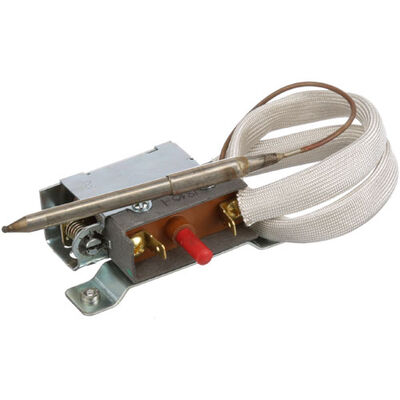
Looking for replacement parts to keep your fry station running smoothly? PartsFe offers affordable essential parts like fryer hi-limit thermostats, oil temperature sensors, and safety relays from leading brands like Pitco, Frymaster, and Vulcan to help QSRs cut downtime and boost kitchen safety.
References:
https://restaurant.org/education-and-resources/resource-library/using-ai-in-service-scenarios/
https://www.fda.gov/food/new-era-smarter-food-safety/new-era-smarter-food-safety-blueprint
https://www.usda.gov/about-usda/news/blog/artificial-intelligence-improves-americas-food-system
FAQs
How much does it cost to implement AI-powered fry-station automation?
Basic AI monitoring costs around $2,000–$5,000 per store. Full robotic fry-station systems range from $25,000–$60,000.
How difficult is it to set up AI systems in existing fry stations?
Modern AI tools are designed to integrate easily with existing fryers and POS systems. Setup usually involves minimal downtime and vendor support
How do AI-driven fry stations impact business performance and ROI?
AI improves consistency, reduces food waste, and minimizes safety incidents, boosting efficiency and customer satisfaction. Most QSRs see ROI within 6–18 months through lower labor costs and reduced waste