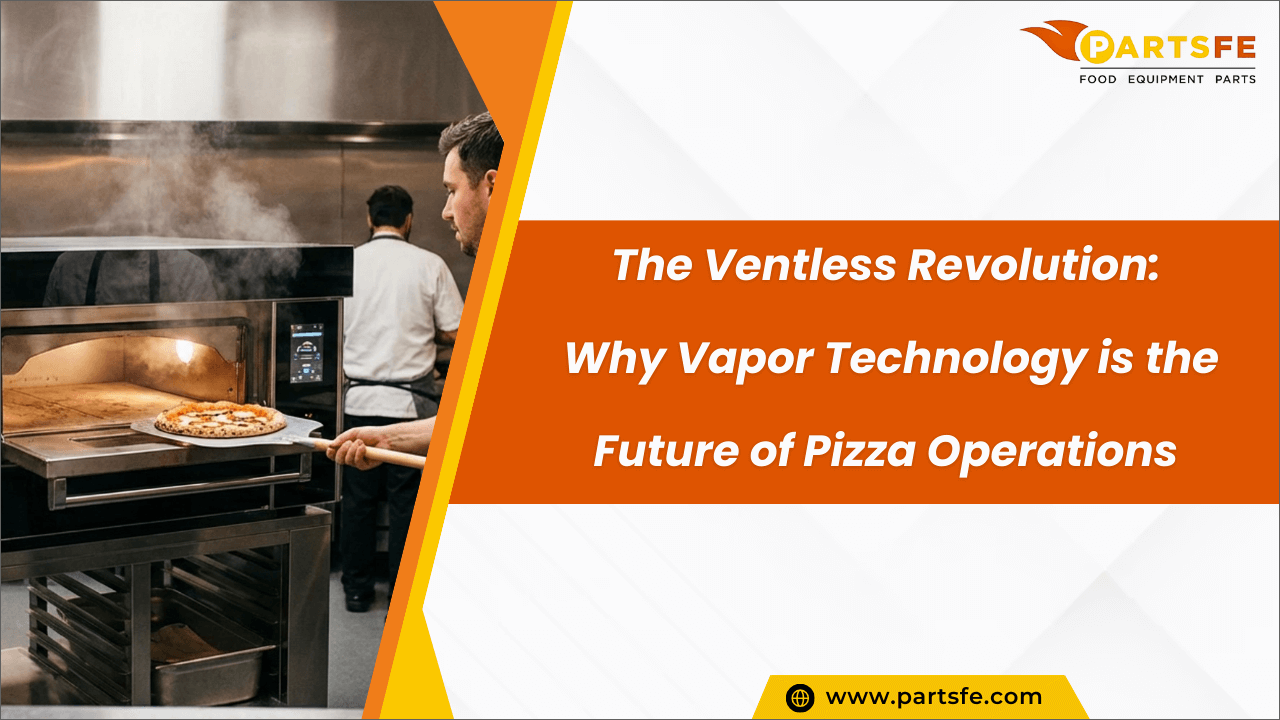
The Ventless Revolution: Why Vapor Technology is the Future of Pizza Operations
The pizza industry is evolving, driven by innovations that streamline operations and enhance efficiency. One of the most transformative developments is vapor technology, which allows kitchens to operate without traditional venting systems. This innovation not only reduces infrastructure costs but also opens opportunities for pizzerias in unconventional spaces, from small urban shops to ghost kitchens.
Beyond cost savings, ventless systems improve sustainability and safety, minimizing energy consumption and heat buildup. As consumer demand for quick, high-quality pizza grows, vapor technology positions operators at the forefront of a modern culinary revolution.
How Vapor Technology Is Driving the Rise of Ventless Pizza Operations
Vapor technology is rapidly changing the pizza industry by making ventless kitchens practical and efficient. It allows operators to set up in unconventional spaces while maintaining high-quality pizza production.
-
Ghost Kitchens: Delivery-only pizza operations can thrive in small, unconventional spaces without venting, reducing setup costs and increasing efficiency.
-
Food Court Pizza Outlets: Urban food courts can now host pizza shops without expensive ventilation systems, opening opportunities in high-traffic areas.
-
Pop-Up and Mobile Pizza Kitchens: Food trucks, carts, and temporary setups can safely cook high-quality pizzas, bringing pizza to events and unconventional locations.
-
Compact Urban Pizzerias: Small city locations can operate full pizza kitchens efficiently, optimizing space for prep, seating, or customer flow.
-
Cafes and Non-Traditional Pizza Kitchens: Establishments without full kitchen ventilation can expand menus to include pizza, attracting more customers.
-
Delivery-Focused and Hybrid Operations: Ventless systems support smaller, flexible kitchens close to customers, reducing delivery times and improving service speed.
Vapor technology is not just an upgrade, it is driving the rise of new pizza models and reshaping how the industry operates.
How Ventless Technology Drives Cost Savings, Efficiency and Sustainable Pizza Operations
Ventless technology is reshaping pizza kitchens in ways beyond simple cost reduction. It enables operators to rethink kitchen workflows, expand operations, and explore new business models.
How Ventless Technology Makes Pizza Kitchens More Profitable:
-
Reduces Bottlenecks in High-Volume Kitchens: Ventless ovens maintain consistent cooking without hot spots or smoke, allowing multiple pizzas to cook simultaneously and speeding up peak-hour output.
-
Enables Modular and Scalable Kitchens: Without venting constraints, kitchens can be designed in modules, letting operators expand or replicate setups quickly for multiple locations or pop-ups.
-
Optimizes Staff Allocation: Cleaner and cooler kitchens reduce fatigue and heat-related delays, meaning fewer staff are needed for the same output.
-
Supports Hybrid Business Models: Ventless setups allow operators to combine in-store, delivery, and grab-and-go models from a single small kitchen efficiently.
-
Minimizes Ingredient Loss: Reduced heat and smoke exposure help preserve fresh toppings, cheeses, and dough, lowering waste and improving food quality.
-
Facilitates Compliance with Urban Regulations: Cities with strict ventilation and emissions rules can host pizza kitchens in tighter spaces, expanding market reach.
Explore commercial pizza ovens: types, cost, installation & more, and see how they boost kitchen efficiency and pizza quality.
Key Features of Ventless Technology in Pizza Operations
Ventless technology is transforming pizza kitchens by offering advanced tools that make cooking, efficiency, and safety smarter. These features are designed to give operators precise control and flexibility while reducing reliance on traditional ventilation.
|
Feature |
How It Works |
Benefit in Pizza Operations |
|
Integrated Steam and Heat Control |
Regulates humidity and temperature precisely |
Ensures perfect crusts and toppings every time |
|
Rapid Preheat and Recovery |
Reaches optimal temperature quickly and recovers heat between orders |
Keeps service fast during peak hours |
|
Modular and Compact Design |
Stackable or countertop units fit small kitchens and non-traditional spaces |
Enables setup in ghost kitchens, food courts, and urban areas |
|
Advanced Air Filtration Systems |
Removes smoke and odors internally without external hoods |
Creates cleaner and safer kitchen environments |
|
Programmable Cooking Modes |
Allows operators to save settings for different pizza types or recipes |
Maintains consistent quality across shifts |
|
Energy-Saving Technology |
Low power consumption with heat recycling |
Reduces utility bills and supports sustainable operations |
|
Smart Monitoring and Alerts |
Digital interfaces provide timers, temperature alerts, and maintenance reminders |
Prevents downtime and improves kitchen efficiency |
Pizza operations are being redefined by streamlining production, boosting flexibility, and enabling smarter growth strategies, with Lincoln pizza oven parts supporting reliability, efficiency, and consistent pizza quality.
How Ventless Technology Balances Flexibility Safety and Challenges in Pizza Kitchens
Ventless technology allows pizza kitchens to operate in unconventional spaces, but real-world challenges must be considered. Operators need to balance design freedom with staff safety, workflow, and regulatory compliance.
-
Space Flexibility Comes With Workflow Challenges: Small or modular kitchens can be set up without costly hood ventilation, but operators still need smart layout planning to ensure smooth workflows in limited spaces.
Example: A delivery-only pizza kitchen, Pequeños Tapas & Wine Bar in Urbana, Ohio, saved at least $70,000 in installation costs by using ventless ovens, avoiding major hood construction. -
Staff Training for New Equipment: Operators must train staff on ventless oven controls and programmable cooking modes to prevent undercooked pizzas or inconsistent quality.
-
Filter and Air Quality Maintenance: Internal catalytic converters and filtration need regular attention to sustain clean air quality and prevent buildup.
-
Regulatory Compliance Considerations: Ventless kitchens may still require local inspections, permits, or approvals before operation.
Ventless technology provides greater flexibility and reduced installation cost, but planning, airflow management, staff training, and regulatory compliance are essential for safe, efficient pizza kitchen operations.
Find out how the revolutionary combi oven is shaping culinary trends, boosting kitchen efficiency and versatility.
Conclusion: Ventless and Vapor Technology Driving the Future of Pizza Operations
Ventless and vapor technology are transforming pizza kitchens into agile, smart, and high-performing operations. Beyond cost savings and space efficiency, these innovations are reshaping the way pizzerias approach cooking, workflow, and customer experience. They enable operators to experiment with bold recipes, optimize energy use, and deliver consistent quality in ways previously impossible in traditional setups.
Key Takeaways
-
Adaptive Kitchen Layouts: Ventless systems allow kitchens to be installed on rooftops, in food halls, or shared spaces, turning previously unusable areas into productive pizza operations.
-
Precision Heat and Steam Control: Vapor technology maintains perfect crust crispness and cheese melt by adjusting humidity and temperature dynamically during baking.
-
Enhanced Menu Innovation: Operators can experiment with specialty pizzas, stuffed crusts, or multi-step baking techniques without ventilation constraints.
-
Reduced Operational Stress: Automated controls reduce dependency on highly skilled labor, allowing smaller teams to maintain quality during peak hours.
-
Sustainable and Eco-Friendly: Efficient energy usage and minimal venting lower carbon footprint while cutting utility bills, supporting environmentally responsible kitchens.
-
Future-Proof Compliance: Built-in safety and filtration systems simplify adherence to health, fire, and building codes, allowing faster expansion into new markets.
Ventless and vapor technology redefine what a pizza kitchen can achieve. By combining efficiency, innovation, and sustainability, they empower pizzerias to deliver consistent, high-quality pizzas while exploring new operational models that truly shape the future of pizza operations.
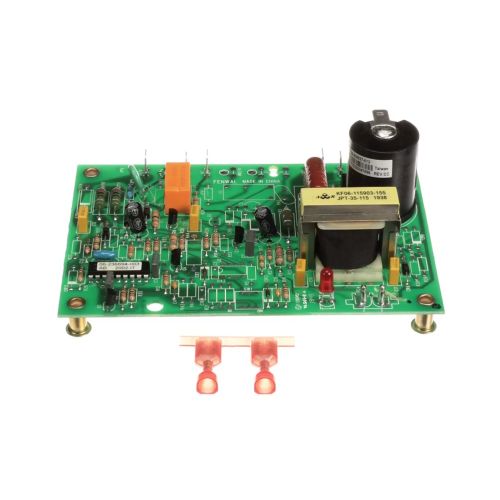
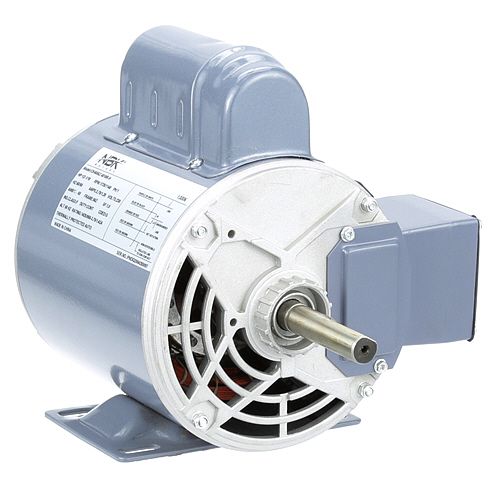
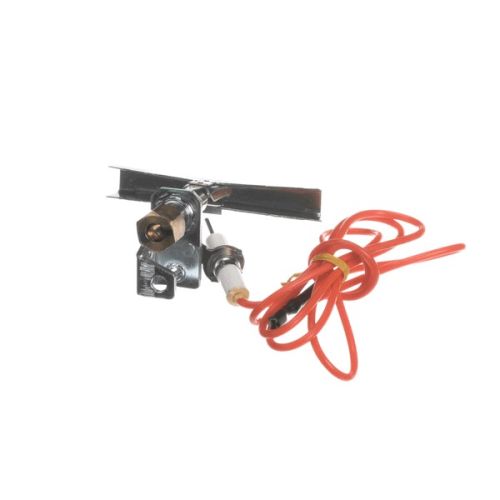
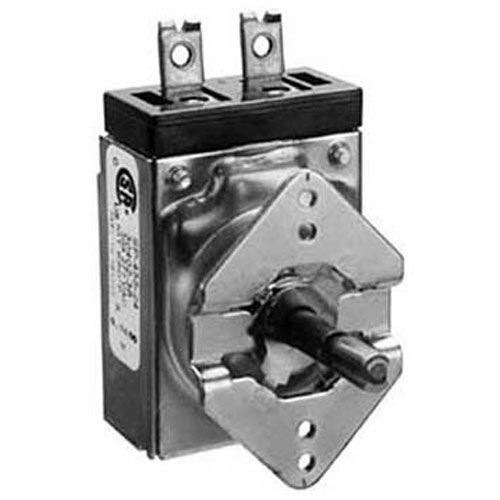
Looking to keep your commercial pizza kitchen running at peak performance? Shop now with PartsFe for a wide selection of high-quality parts for restaurant equipment, including heating elements, conveyor belts, thermostats, ignitors, and blower motors for pizza ovens. Whether you’re replacing worn components or upgrading your ventless or vapor technology ovens, our reliable parts help maintain efficiency, safety, and consistent pizza quality—ensuring your kitchen stays future-ready. Fast shipping available to get your equipment back in top shape without delay!
References:
https://greenfieldny.gov/news/specialty-pizzas-are-just-one-slice-of-the-fierros-pie/
https://www.pizzauniversity.org/all-you-need-to-know-about-the-future-of-commercial-pizza-ovens/
https://foodwise.org/articles/copper-top-ovens-building-community-one-pizza-at-a-time/
https://www.alto-shaam.com/en/about-us/success-stories/pequenos-tapas-wine-bar?utm_source=chatgpt.com
FAQs
Why are ventless ovens more cost-effective for new pizza kitchens?
They eliminate expensive hood and duct installation, reduce maintenance costs, and allow smaller staff to handle the same volume, making them an economical choice.
How much can a pizzeria save on hood installation by switching to ventless ovens?
Traditional hoods and ductwork can cost $10,000–$30,000 or more. Ventless ovens remove this requirement entirely, freeing up budget for other kitchen investments.
How should electrical or gas connections be set up for ventless ovens?
Kitchens need adequate power or gas supply per the oven’s specifications, ensuring safe and efficient operation.
How do ventless ovens reduce waste and ingredient loss?
Consistent cooking temperatures prevent overcooking or uneven baking, which preserves toppings, cheese, and dough, reducing overall food waste.
How can ventless ovens be safely and efficiently integrated into older kitchens?
Ventless ovens eliminate the need for hoods or major construction, making retrofitting simple and cost-effective. Proper layout and airflow ensure safer, cooler, and more efficient kitchen operations.