Commercial Dishwasher 101: Types, Costs, Installation & Maintenance Guide
Running a busy restaurant, café, or catering business requires efficiency in every corner of the kitchen, and a commercial dishwasher buying guide can help identify the right unit. Unlike residential dishwashers, commercial units are designed to handle large volumes of dishes, glasses, and utensils quickly and hygienically. Choosing the right dishwasher not only saves time and labor but also ensures compliance with health and safety standards, making it an essential investment for any foodservice operation.
With a variety of types, from undercounter to conveyor models, costs, installation requirements, and maintenance needs can vary significantly. Understanding these factors before purchase helps businesses select a commercial dishwasher that matches their workflow, budget, and space, while ensuring reliable performance for years to come.
What Is a Commercial Dishwasher and How Does It Work?
A commercial dishwasher is a heavy-duty appliance designed for restaurants, cafés, and hotels. Built to handle large volumes quickly and hygienically, it saves time, labor and helps kitchens meet strict health and safety standards.
How a Commercial Dishwasher Works:
-
Sorting and Loading: Correctly arranging dishes and utensils prevents damage and ensures thorough cleaning.
-
Pre-Soaking & Food Waste Removal: Built-in pre-soak or waste systems soften debris and prevent drainage clogs.
-
Multi-Stage Washing: Different wash intensities handle fragile items and heavily soiled cookware efficiently.
-
Water Filtration & Recycling: Filtered water is reused to save water while maintaining hygiene standards.
-
Chemical Dosing & Temperature Control: Precise detergent dosing and controlled heat ensure sanitation and dish longevity.
-
Sanitization & Safety Monitoring: Sensors verify proper temperature or chemical levels for safe cleaning.
-
Energy & Drying Optimization: Advanced drying systems reduce energy use, prevent spotting, and speed up cycles.
By understanding these often-overlooked aspects, businesses can ensure maximum efficiency, hygiene, and longevity of their commercial dishwasher.
Looking to keep your commercial kitchen running efficiently and hygienically? PartsFe offers essential dishwasher parts like spray arms, heating elements, and detergent dispensers, as well as commercial cooking equipment parts from Hobart, Champion, and Meiko, helping maintain peak performance and ensuring your kitchen stays clean, compliant, and fully operational.
Types of Commercial Dishwashers and Their Key Components
Understanding commercial dishwasher types & features helps you choose the right machine and ensures efficient, hygienic operation.
|
Type |
Function |
Capacity |
Key Advantages |
Considerations |
|
Undercounter Dishwasher |
Compact machines that fit under countertops; ideal for cafés, bars, or small office kitchens. |
20–30 racks per hour |
Fast wash cycles, energy-efficient, user-friendly controls |
Limited capacity; not suitable for high-volume kitchens, but saves space and has a low upfront cost |
|
Door-Type / Hood Dishwasher |
Pass-through models with a lift-up hood for easier loading and higher throughput. |
40–120 racks per hour |
High-temperature sanitization, robust construction, versatile |
Requires more floor space; higher water and energy consumption |
|
Conveyor Dishwasher |
Large-scale operations like hotels or hospitals; dishes move along a conveyor system for continuous cleaning. |
200–1,000 racks per hour |
Continuous operation, automatic drying, highly efficient during peak service |
Expensive, complex installation, high energy use |
|
Flight-Type Dishwasher |
Industrial-grade machines for massive catering operations; handles extremely high volumes. |
1,000+ racks per hour |
Handles enormous throughput with minimal downtime |
Requires specialized infrastructure and significant upfront investment |
Key Components of Commercial Dishwashers
Regardless of type, commercial dishwashers share these essential components:
-
Wash Arms/Nozzles: Spray water and detergent to clean dishes thoroughly.
-
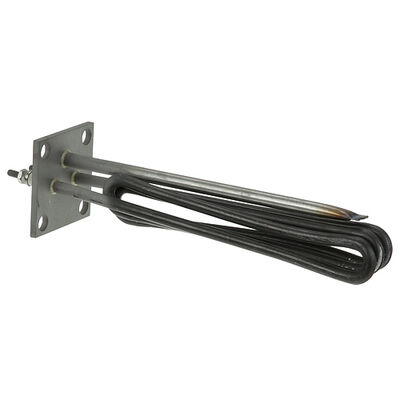
Heating Elements: Maintain optimal temperatures for washing and sanitizing.
-
Pumps: Provide consistent pressure to remove tough residues.
-
Detergent and Rinse Aid Dispensers: Automate chemical dosing for optimal cleaning.
-
Control Panel: Allows staff to monitor cycles and adjust settings.
-
Optional Sensors: Advanced models detect soil levels, water clarity, and rinse temperature to maximize efficiency.
Explore the most common dishwasher parts that break: causes & fixes simplified to quickly identify issues and keep your machine running smoothly.
Best Commercial Dishwasher Brands and Price Comparison
Choosing a reputable commercial dishwasher brand ensures durability, efficiency, and consistent cleaning performance. Comparing prices helps businesses select the best option within their budget.
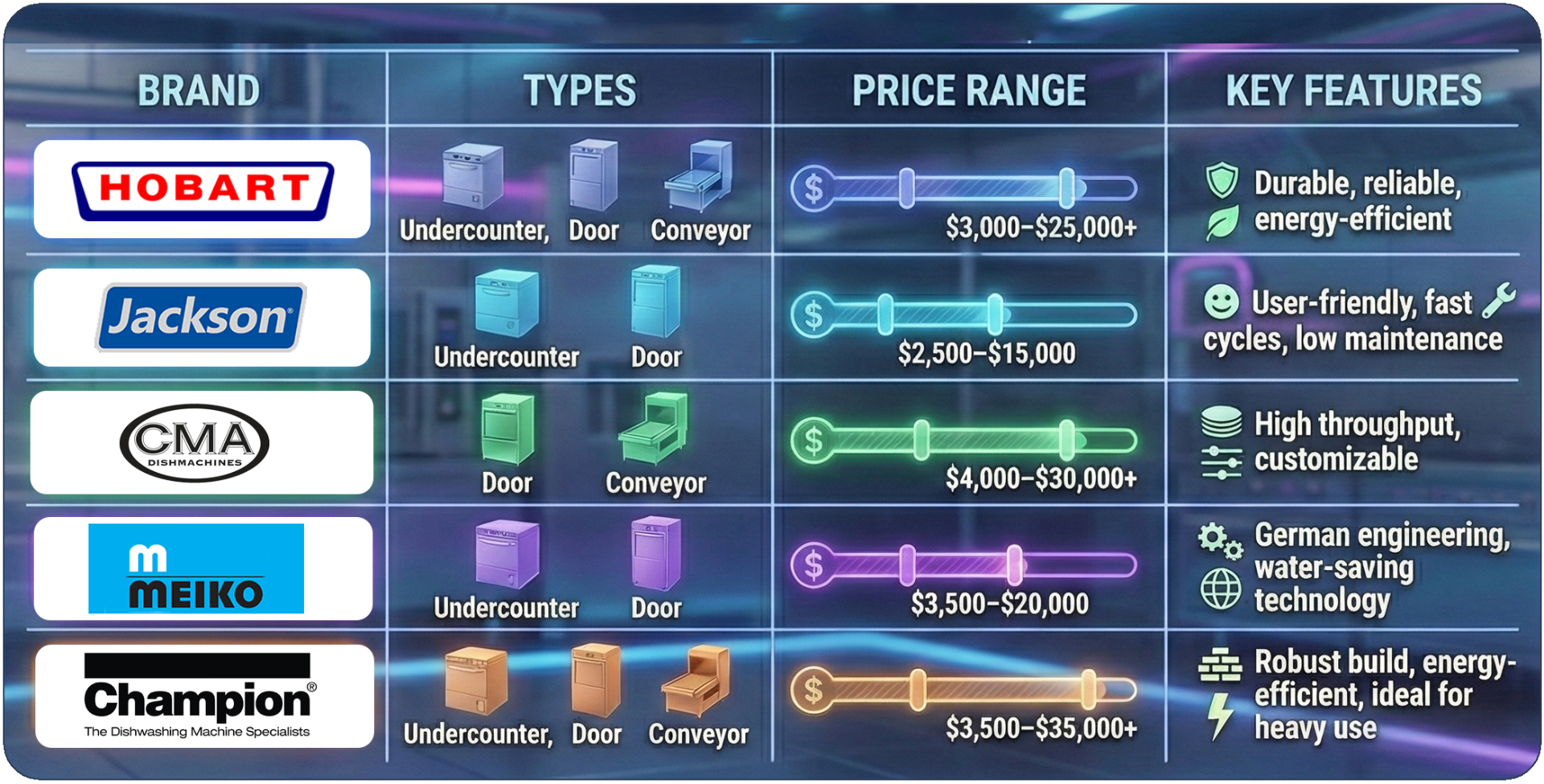
Factors Affecting Price
-
Build Quality and Materials: Dishwashers made with high-grade stainless steel, corrosion-resistant components, or reinforced frames cost more but last longer in demanding kitchen environments.
-
Wash Technology: Machines with advanced wash systems, such as multi-stage jets, high-pressure spray, or soil-sensing cycles, carry a higher price due to superior cleaning performance.
-
Cycle Speed and Automation: Faster cycle times, automatic soil detection, and programmable settings can raise the upfront cost but improve kitchen efficiency.
-
Water Treatment and Filtration: Models with integrated water softeners, filtration, or mineral-removal systems cost more but prevent scaling and extend the machine’s lifespan.
-
Serviceability and Warranty: Brands offering easier maintenance access, modular parts, or extended warranties may charge a premium for reduced downtime and long-term reliability.
Noise and Environmental Standards: Machines engineered for quieter operation or eco-friendly certifications (Energy Star, low water usage) often come at a higher price point.
Installation Requirements and Total Cost to Install a Commercial Dishwasher
Installing a commercial dishwasher goes beyond simply plugging it in. Proper setup ensures optimal performance, compliance with health codes, and staff safety, while preventing costly downtime.
How to install a Commercial Dishwasher
Proper installation ensures your commercial dishwasher operates safely, efficiently, and in compliance with regulations.
-
Plumbing: Ensure a reliable hot and cold water supply, correct pressure, and backflow prevention. Some high-temperature units may require booster heaters or water softeners.
-
Electrical: Commercial dishwashers often need dedicated circuits; voltage may range from 208V–240V. Advanced models with sensors or rapid-cycle features may require additional amperage.
-
Ventilation & Steam Management: High-temperature or conveyor machines generate steam; proper hood or exhaust ventilation is essential to prevent humidity and corrosion.
-
Space & Accessibility: Allow sufficient clearance for door operation, rack handling, and routine maintenance. Conveyor and flight-type machines also need service walkways.
-
Flooring & Drainage: Non-slip, water-resistant flooring is recommended; floor drains must handle high water volume and prevent pooling.
-
Waste & Filtration: Some machines require grease traps or built-in filters to prevent clogging and meet sanitation codes.
-
Regulatory Compliance: Local health and fire codes may require permits, inspections, or specific installation standards.
Total Cost to Install
Installation costs vary by dishwasher type, depending on size, features, and required plumbing or electrical work.
-
Undercounter Dishwasher: $500–$2,000, including minor plumbing or electrical adjustments.
-
Door-Type Dishwasher: $1,500–$5,000, depending on space modifications and venting needs.
-
Conveyor Dishwasher: $10,000–$50,000+, factoring in specialized plumbing, electrical upgrades, ventilation, and floor reinforcement.
Proper planning and professional commercial dishwasher installation reduce downtime, extend the machine’s lifespan, and ensure compliance with regulations.
Check out 11 essential commercial dishwasher maintenance tips to keep your machine efficient, hygienic, and long-lasting.
How to Clean, Maintain, and Troubleshoot a Commercial Dishwasher
Proper cleaning, maintenance, and troubleshooting keep a commercial dishwasher efficient, hygienic, and long-lasting. Paying attention to individual parts ensures smooth operation and reduces costly repairs.
How to Clean a Commercial Dishwasher
Follow the process below to clean a commercial dishwasher:
Daily Cleaning of Parts
Cleaning key dishwasher parts daily keeps the machine efficient and hygienic.
-
Wash Arms: Remove and clear spray holes of debris or mineral buildup to maintain water flow.
-
Filters and Screens: Take out, rinse under hot water, and remove trapped food particles.
-
Detergent & Rinse Aid Dispensers: Clean to prevent clogs; refill as needed for consistent dosing.
-
Interior Surfaces & Doors: Wipe down with a damp cloth to remove grease, food residue, and prevent corrosion.
Chemical Cleaning
Use manufacturer-approved detergents and sanitizers; avoid harsh chemicals that can damage stainless steel, heating elements, or gaskets.
Exterior Cleaning
Wipe the machine’s outer surfaces with mild detergent and warm water. Avoid abrasive pads that scratch or dull stainless steel.
Drain & Waste Management
Regularly flush drains and remove debris from strainers to prevent clogs and maintain sanitation.
Maintenance
Regular maintenance ensures your equipment runs efficiently, prevents breakdowns, and extends its lifespan.
-
Regular Inspections: Check hoses, connections, seals, and gaskets weekly for wear, cracks, or leaks.
-
Water Temperature & Pressure: Confirm booster heaters and water lines maintain correct temperatures and pressure for effective cleaning.
-
Lubrication of Moving Parts: Conveyor chains, door hinges, and rotating components may need occasional lubrication per manufacturer instructions.
-
Pumps and Motors: Inspect for unusual noise or vibration; clean intake screens and replace worn parts promptly.
-
Scheduled Professional Servicing: Have certified technicians check heating elements, sensors, and electronic controls periodically for optimal performance.
-
Descaling & Hard Water Treatment: In hard water areas, run descaling cycles or use water softeners to prevent mineral buildup on critical parts.
Commercial Dishwasher Troubleshooting
Effective troubleshooting helps identify and resolve common issues quickly, ensuring your commercial dishwasher operates reliably and efficiently.
-
Poor Cleaning or Residue: Clear clogged wash arms, refill detergent/rinse aid, and ensure water temperature is correct.
-
Leaks or Water Pooling: Replace worn gaskets/seals, tighten hoses, and verify drainage connections.
-
Unusual Noises or Vibrations: Remove debris, tighten loose components, lubricate moving parts, or replace worn bearings.
-
Failure to Start or Stopping Mid-Cycle: Check electrical supply, fuses, control panel, and safety interlocks.
-
Error Codes on Display: Follow manufacturer's manual; adjust water level, temperature, or chemical dosing as required.
-
Slow Cycle or Inconsistent Performance: Clean filters and spray arms; check water supply and pressure.
Following these commercial dishwasher maintenance tips ensures your dishwasher stays reliable, hygienic, and efficient.
Conclusion: Maximizing Your Commercial Dishwasher’s Performance and Reliability
Proper selection, smart investment, and consistent upkeep of your commercial dishwasher cost 2025 save labor and water, reduce downtime, and ensure reliable performance. Regular maintenance and timely troubleshooting keep the machine hygienic and efficient. Following these practices extends the lifespan and maximizes the value of your kitchen operations.
Key Takeaways
-
Select a dishwasher that matches your kitchen’s size, volume, and workflow.
-
Know the essential components for effective operation and maintenance.
-
Invest in durable, energy-efficient models for long-term savings.
-
Choose reputable brands and account for installation costs.
-
Perform daily cleaning and schedule professional servicing regularly.
-
Address issues promptly to prevent damage and downtime.
Consistent care, proper operation, and timely maintenance—along with adhering to restaurant dishwasher temperature requirements keep your commercial dishwasher running efficiently. This reduces operational costs, prevents unexpected breakdowns, and ensures hygienic dishwashing. By following best practices, kitchens can maximize performance, longevity, and reliability without constant supervision.
FAQs
What's the average cost to install a dishwasher?
The average cost to install a commercial dishwasher ranges from $500 to $5,000, depending on type and complexity. Undercounter units are cheaper, while conveyor or hood-type machines require higher installation costs.
How long does it take to install a commercial dishwasher?
Installation typically takes 2–8 hours for undercounter or door-type machines. Conveyor dishwashers may take 1–2 days due to plumbing, electrical, and ventilation requirements.
What are the two types of commercial dishwashing machines?
The two main types are undercounter (compact, space-saving) and door-type/hood dishwashers (higher capacity, faster cycles). Both are designed for different kitchen volumes and operational needs.
How much does a plumber charge to connect a dishwasher?
A plumber usually charges between $100 and $300 to connect a dishwasher. The cost can increase if new plumbing, drains, or water lines are required.