Mechanical vs. Digital Thermostat: What To Know?
When it comes to maintaining optimal temperatures in commercial restaurant equipment, the choice between mechanical and digital thermostats is pivotal. Understanding the differences and benefits of each can significantly impact your kitchen's efficiency and food quality. Mechanical thermostats offer simplicity and reliability, while electronic thermostats provide precision and advanced programming capabilities. Let's explore the differences between these two thermostat types, helping you make an informed decision to ensure your restaurant equipment performs at its best.
Why do you need a thermostat in your commercial restaurant equipment?
A thermostat is crucial for commercial restaurant equipment due to several reasons:
- Temperature Precision: It ensures accurate control of cooking and refrigeration temperatures, maintaining food safety and quality.
- Energy Efficiency: Thermostats optimize energy usage by preventing unnecessary temperature fluctuations, reducing operational costs.
- Consistent Cooking: Precise temperature control results in consistent cooking outcomes, essential for maintaining menu consistency and customer satisfaction.
- Prevent Food Spoilage: Refrigeration units with thermostats prevent food spoilage by maintaining proper storage temperatures.
- Regulatory Compliance: Many health and safety regulations mandate precise temperature control in food handling, storage, and preparation.
- Equipment Longevity: Controlled temperatures extend the lifespan of appliances by reducing strain on components.
What is a mechanical thermostat?
A mechanical thermostat is a simple yet essential component in many commercial restaurant equipment, playing a pivotal role in regulating temperature and ensuring that various kitchen appliances operate efficiently. These thermostats are a common feature in several pieces of restaurant equipment due to their reliability and ease of use.
Commercial Restaurant Equipment with Mechanical Thermostats
- Ovens: In a bustling restaurant kitchen, ovens are a workhorse, and many traditional ovens still use mechanical thermostats. These thermostats allow chefs to set and maintain precise cooking temperatures, ensuring that dishes are cooked to perfection.
- Griddles: Griddles are often used for cooking pancakes, burgers, and other items. Mechanical thermostats help maintain the desired surface temperature, resulting in consistent and evenly cooked food.
- Fryers: When it comes to frying food, such as French fries and chicken, maintaining the oil temperature is critical. Mechanical thermostats in fryers help keep the oil at the right temperature for crispy and delicious results.
- Refrigerators and Freezers: While modern refrigeration systems often use digital controls, some commercial refrigerators and freezers still rely on mechanical thermostats to maintain optimal storage temperatures for perishable items.
- Dishwashers: Even dishwashers in commercial kitchens can utilize mechanical thermostats to control water temperature, ensuring effective sanitization.
How does a mechanical thermostat work?
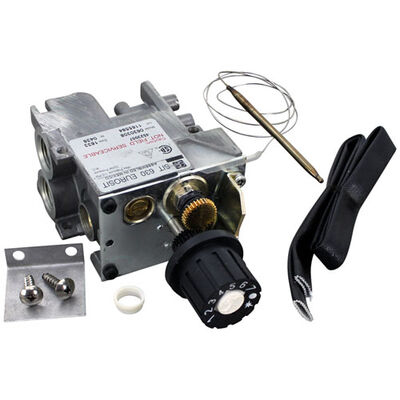
A mechanical thermostat typically consists of a temperature-sensitive probe or bulb and a dial or knob for adjusting the desired temperature. When you turn the dial to the desired setting, it moves the mechanical components inside the thermostat. As the temperature in the equipment rises or falls, the thermostat reacts by either allowing more or less heat to flow to the equipment's heating element or burner. This control mechanism helps maintain a consistent temperature within the appliance.
Know more about the the Thermostat types and how does it work.
What is an electronic or digital thermostat?
An electronic or digital thermostat is a technologically advanced temperature control system designed to provide precise and efficient management of temperatures within various appliances. Temperature control with electronic or digital thermostats is more accurate and responsive than with traditional mechanical thermostats.
Now, let's explore some common commercial restaurant equipment that relies on electronic thermostats:
- Commercial Ovens: Ovens are the heart of any restaurant kitchen, and electronic thermostats play a vital role in maintaining precise temperatures for baking, roasting, and broiling. Digital displays and programmable settings make it easy to adapt to various culinary needs.
- Refrigeration Units: Keeping ingredients fresh is essential in the foodservice industry. Refrigerators and freezers equipped with digital thermostats ensure that perishable items are stored at the right temperature, preventing spoilage and foodborne illnesses.
- Grills and Griddles: Electronic thermostats in grills and griddles ensure even cooking and consistent results. This is crucial for preparing meats, seafood, and other grilled items to perfection.
- Deep Fryers: Maintaining the correct oil temperature is crucial for frying crispy and delicious foods. Digital thermostats in deep fryers help chefs achieve consistent results while ensuring safety.
- Beverage Dispensers: In a busy restaurant, maintaining the perfect temperature for beverages is essential. Electronic thermostats in beverage dispensers keep drinks at the desired chill or heat level.
- Food Warmers: Electronic thermostats in food warmers help keep prepared dishes at serving temperatures, ensuring that meals are served piping hot.
How does a digital thermostat work
A digital thermostat operates by monitoring and regulating temperature using electronic sensors and microprocessors. These devices measure the current temperature and compare it to the desired setpoint entered by the user. If there's a variance, the thermostat activates heating or cooling systems accordingly. The digital display provides real-time temperature readings and allows users to adjust settings easily. Some models feature programmable schedules, enabling automated temperature changes for energy efficiency.
Best Brands For Digital Thermostats
PartsFe offers the following digital thermostat brands at competitive prices that are 100% reliable:
Pitco
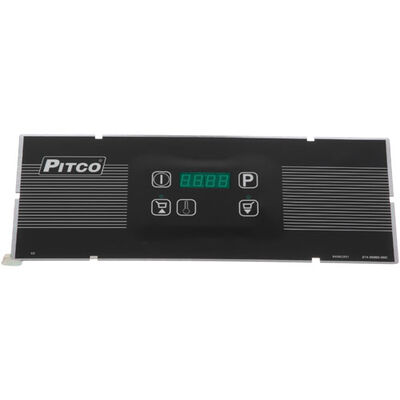
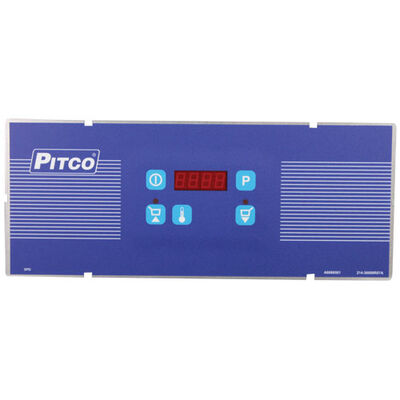
Pitco has been in the thermostat business for over 100 years. The company's Digital thermostats have become popular for their versatility and reliability. Pitco thermostats are used in commercial kitchens, restaurants, hotels, and more.
Find the perfect Pitco digital thermostat for your commercial cooking equipment and save money by buying online. At PartsFe, we offer a wide selection of Pitco products at discounted prices. We've got the best deals on Pitco digital thermostats PP11012 right here! Get started by entering your product number or OEM part number in the search bar at the top!
Southern Pride
Southern Pride Digital Thermostat is a high quality thermostat that helps to monitor, control and adjust the temperatures in a variety of commercial kitchens. It has a large display that displays the temperature essential information. With a wide selection of Southern Pride Thermostats, PartsFe has the perfect thermostat for your commercial kitchen. Using the search bar, you can easily find the Southern Pride Digital thermostat 432001 by entering the below product number or OEM part number.
Frymaster
Frymaster offers various thermostats. Browse the collection of Frymaster thermostats to find the right fit for your kitchen equipment. PartsFe offers same-day shipping on your orders.
Garland
Find genuine Garland thermostats and accessories at PartsFe. We carry large inventory of various kitchen equipment parts and supplies for all major brands. Garland thermostats are one of the finest and most sought after.
Digital vs. Mechanical Thermostats: What's the Difference?
When it comes to controlling temperature in commercial restaurant equipment, choosing the right thermostat is crucial. Two main types of thermostats used in such settings are digital and mechanical thermostats. Each type has its own set of features and advantages, catering to the specific needs of the restaurant industry.
|
Aspect |
Digital Thermostats |
Mechanical Thermostats |
|
Precision and Accuracy |
Offers precise temperature control with digital displays. |
Generally provides a basic temperature range with less precision. |
|
Temperature Control |
Allows for more consistent temperature regulation. |
May have temperature fluctuations, impacting consistency. |
|
Programming Features |
Often includes programmable settings and presets. |
Lacks advanced programming; simple manual control. |
|
User Interface |
Utilizes digital displays and touch controls. |
Relies on analog dials or switches. |
|
Ease of Reading |
Digital displays offer clear temperature readings. |
Analog dials might be less accurate and harder to read. |
|
Maintenance and Repairs |
Complex electronics may require specialized maintenance. |
Mechanical parts are generally simpler and easier to fix. |
|
Durability |
Susceptible to electronic malfunctions and damage. |
More rugged and less prone to electronic failures. |
|
Cost |
Usually more expensive due to advanced features. |
Generally more affordable upfront. |
|
Energy Efficiency |
Can optimize energy usage through precise control. |
May lead to energy wastage due to temperature variations. |
|
Suitable for Restaurants |
Ideal for precision cooking, baking, and specific dishes. |
Suitable for basic cooking processes with less precision. |
Key Factors to Consider When Choosing Thermostat
When selecting a thermostat for your commercial restaurant equipment, several crucial factors come into play to ensure optimal performance and energy efficiency. Consider the following points:
Temperature Accuracy: Accurate temperature control is paramount in restaurant equipment to ensure consistent cooking results. A thermostat with precise temperature sensing and control capabilities will help maintain the desired cooking conditions for various dishes.
Durability and Build: Restaurant kitchens are demanding environments, often involving high heat, humidity, and frequent usage. Opt for a thermostat built with durable materials that can withstand these conditions and the rigors of a busy kitchen.
Programmability: Look for a thermostat that offers programmable settings. This feature allows you to set different temperatures for various cooking stages, optimizing energy usage and cooking efficiency.
Remote Monitoring and Control: In a bustling restaurant, the ability to monitor and adjust equipment temperatures remotely can be a game-changer. Choose a thermostat that offers remote connectivity options for added convenience and control.
Compatibility: Ensure the thermostat is compatible with your specific restaurant equipment, considering factors like voltage requirements and the type of heating elements used.
Energy Efficiency: Energy costs can be a significant overhead in a restaurant. Select a thermostat with energy-efficient features such as adaptive learning, auto-shutoff, and precise temperature regulation to minimize energy consumption.
Installation and Maintenance
Installing and maintaining thermostats in commercial restaurant equipment is crucial for efficient operation and food safety. To begin, select a thermostat suitable for your specific appliance, considering factors like temperature range and accuracy. Installation should be performed by a qualified technician to ensure precise calibration and safety compliance.
Regular maintenance is key to preventing breakdowns and ensuring food quality. Routinely check thermostat readings against calibrated thermometers, and if discrepancies arise, recalibrate or replace the thermostat promptly. Cleanliness is vital – keep sensors and probes free of debris to maintain accuracy. Lubricate moving parts as needed and inspect wiring for any signs of wear or damage.
Choosing between mechanical and digital thermostats is a pivotal decision. While mechanical thermostats boast simplicity and durability, digital counterparts offer precision and programmability. Depending on specific operational needs, restaurant owners can now make informed choices to optimize their establishments' efficiency, ensuring optimal temperature control.
FAQ’s:
Are mechanical thermostats better than digital?
It depends on your preferences. Mechanical thermostats are simple and reliable, but digital thermostats offer more precise temperature control and programmable features.
Which is better, analog or digital thermostat?
The choice between analog and digital depends on your needs. Analog thermostats are straightforward but less accurate. Digital thermostats provide better accuracy and programmable options for energy efficiency.
Can I replace a mechanical thermostat with a digital thermostat?
Yes, in most cases, you can replace a mechanical thermostat with a digital one. However, it might require some wiring adjustments and compatibility checks to ensure proper functioning. Consider consulting a professional if unsure.