Modernizing Smart Gas Ranges: Electronic Ignition, AI-Powered Cooking, Leak Detection & Voice Control for a Streamlined Kitchens
Modern commercial kitchens are evolving, and smart gas ranges are leading the way. Manual ignition and constant monitoring are being replaced by electronic ignition, reliable flame control, and AI-powered cooking technology that adjusts temperature and timing for consistent results. These innovations save time and enhance the cooking experience, making meal preparation more precise and efficient in high-demand environments. Safety and convenience are core features of smart gas ranges used in modern commercial kitchens. Advanced gas leak detection systems provide greater peace of mind, while voice control enables hands-free operation, helping kitchen staff streamline tasks during busy service hours. By combining technology with functionality, these next-generation appliances transform commercial kitchens into efficient, intelligent spaces that support both safety and culinary creativity.
Understanding How Smart Gas Ranges Improve Safety and Efficiency in Commercial Kitchens
Smart gas ranges enhance commercial kitchen operations by combining intelligent controls with reliable gas cooking. These systems improve safety, reduce energy waste, and support consistent performance in high-demand environments.
-
Precise Temperature Control: Digital thermostats keep cooking surfaces stable such as maintaining griddles at 180–220°C preventing overheating, uneven results, and excess energy use.
-
Adaptive Flame Adjustment: Burners automatically regulate flame intensity when food loads change, ensuring steady heat during active cooking.
-
Gas Consumption Monitoring: Real-time tracking of gas usage helps kitchens identify inefficiencies and optimize fuel use.
-
Automated Operation Cycles: Smart ignition and timed shutdown minimize idle burner time, lowering fire risks and fuel waste.
-
Built-In Safety Protection: Sensors detect abnormal pressure or combustion and restrict gas flow before hazards develop.
-
Consistent Heat Output: Calibrated burners deliver uniform performance across cooking stations, supporting standardized recipes.
-
Reduced Operational Errors: Guided controls and automated safeguards limit mistakes during busy service periods, improving overall kitchen safety.
Advanced Features of Smart Gas Ranges for Modern Kitchens
Smart gas ranges are designed for modern kitchens that require precision, safety, and smarter control. These systems go beyond basic cooking by enabling controlled heat management and efficient kitchen operations.
|
Advanced Feature |
How It Supports Modern Kitchen Operations |
|
Self-Regulating Heat Algorithms |
Automatically balance flame output to maintain stable cooking temperatures without constant manual adjustment. |
|
Dynamic Load Recognition |
Detect cookware size and thermal load, adjusting gas flow to prevent heat loss or excessive flame output. |
|
Predictive Safety Controls |
Anticipate unsafe conditions such as delayed ignition or unstable combustion and intervene before risks escalate. |
|
Precision Holding Modes |
Maintain low, stable temperatures for sauces, stocks, and reductions without continuous monitoring. |
|
Operational Memory Profiles |
Store and recall cooking parameters to ensure consistent results across shifts and operators. |
|
Thermal Drift Compensation |
Correct temperature fluctuations during long cooking cycles, maintaining accuracy throughout service hours. |
|
Integrated Compliance Support |
Automatically log operating temperatures and safety events to support safety and operational standards. |
|
Reduced Manual Oversight |
Intelligent adjustments and alerts reduce the need for constant supervision, improving workflow efficiency. |
Benefits of Smart Gas Ranges in Modern Kitchens
Modern kitchens demand more than heat; they require control, safety, and efficiency working together. Smart gas ranges meet these expectations by transforming everyday cooking into a safer, faster, and more consistent operation.
Reduced Gas-Related Incidents: Smart gas ranges continuously monitor flame performance and regulate gas flow automatically. This active control reduces leak risks and creates a safer working environment during long operating hours.
Consistent Cooking Results: Precision temperature management ensures stable heat output across all burners. This consistency supports uniform texture, flavor, and presentation across repeated cooking batches.
Lower Energy Consumption: Intelligent flame modulation matches heat levels to cooking requirements. This controlled output minimizes unnecessary gas usage during extended simmering and slow-cooking tasks.
Faster Response During Busy Hours: Preset heat levels allow instant transitions between cooking stages. This responsiveness helps kitchens maintain speed and efficiency during peak service periods.
Improved Staff Safety: Advanced safety features limit exposure to excessive heat and open flames. These protections reduce the likelihood of burns and fire-related incidents in fast-paced environments.
Simplified Maintenance: Built-in performance monitoring tracks burner efficiency in real time. Early identification of performance issues helps reduce downtime and maintenance costs.
Better Kitchen Workflow: Automation reduces the need for manual adjustments during cooking. Chefs gain better control over multiple dishes, improving coordination and overall productivity.
Compliance with Safety Standards: Integrated gas and flame monitoring supports adherence to commercial safety regulations. This simplifies inspections while ensuring consistent operational compliance.
Check out how to revolutionize your commercial kitchen with eco-friendly ovens for efficiency, sustainability, and cost savings.
How Smart Gas Ranges Help Prevent Accidents in High-Volume Kitchens
High-volume kitchens operate with continuous heat, dense layouts, and overlapping cooking processes. Smart gas ranges help prevent accidents by creating stable, predictable, and controlled cooking conditions across the kitchen environment.
-
Stabilized Cooking Conditions: Consistent flame behavior prevents sudden flare-ups that often lead to spills, splashes, or nearby surface ignition.
-
Controlled Heat Zones: Even heat distribution reduces overheating of surrounding surfaces, lowering the risk of accidental contact burns.
-
Reduced Congestion Around Ranges: Predictable cooking performance limits unnecessary movement and repeated adjustments near hot zones.
-
Cleaner Operating Surfaces: Efficient combustion minimizes residue buildup, helping keep floors and surrounding are as safer and less slippery.
-
Lower Chain-Reaction Failures: Immediate system correction after flame disturbances prevents secondary incidents during peak cooking periods.
-
Improved Operational Visibility: Clear system feedback allows safer oversight of multiple active burners at once.
-
Consistent Workflow Patterns: Reliable heat output supports structured cooking sequences, reducing unexpected actions near high-temperature areas.
-
Safer Continuous Operation: Stable performance during long service hours reduces the cumulative risk associated with prolonged high-heat use.
By focusing on environmental control and operational stability, smart gas ranges reduce accident risks in high-volume kitchens without relying solely on manual intervention.
Smart Gas Ranges with AI and Voice Assistants for Hands-Free Cooking in Modern Kitchens
Smart gas ranges integrated with AI and voice assistants bring a new level of control and convenience to modern kitchens. These technologies enable hands-free operation while improving precision, efficiency, and overall cooking performance.
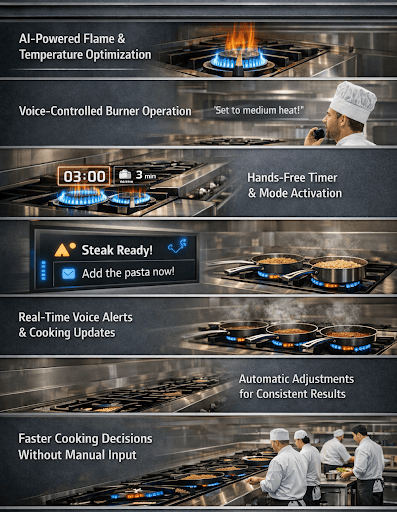
By combining AI intelligence with voice-enabled control, smart gas ranges deliver hands-free cooking that enhances accuracy, cleanliness, and efficiency in modern kitchens.
Future Trends and Innovations in Commercial Smart Gas Ranges
Commercial smart gas ranges are entering a new phase of innovation driven by performance optimization, operational intelligence, and adaptive cooking environments. Future developments focus on deeper system integration and advanced control methods designed specifically for high-volume commercial use.
-
Adaptive Burner Geometry: Burners with dynamically adjustable flame patterns that reshape heat zones based on cookware size and cooking technique.
-
Thermal Mapping Surfaces: Embedded surface sensors that create real-time heat maps, helping maintain uniform temperatures across large cooking areas.
-
Gas Flow Self-Balancing Systems: Internal regulators that automatically balance gas pressure across multiple burners during simultaneous high-load cooking.
-
Material-Responsive Cooktops: Smart surfaces that respond differently to metals, ceramics, or cast iron, optimizing heat transfer efficiency.
-
Intelligent Heat Recovery Channels: Systems that capture excess heat from active burners and redistribute it to adjacent cooking zones or warming areas.
-
Environmental Load Awareness: Cooking systems that adapt flame behavior based on kitchen airflow, humidity, and ambient temperature conditions.
-
Modular Smart Burner Units: Plug-and-play burner modules that allow kitchens to reconfigure layouts based on menu changes or service demand.
-
Auto-Calibration Technology: Self-adjusting burners that recalibrate performance after cleaning, maintenance, or gas supply fluctuations.
-
Extended-Life Combustion Design: Advanced combustion chambers designed to reduce thermal stress and extend burner lifespan under continuous use.
These next-generation innovations redefine how commercial smart gas ranges deliver precision, efficiency, and adaptability in future commercial kitchens.
Explore future-proofing restaurants in 2026 with trends in tech, sustainability, and smart dining.
Final Thoughts: Preparing Commercial Kitchens for the Next Generation of Professional Cooking
The next generation of professional cooking demands kitchens that think, adapt, and perform with precision under pressure. Smart gas ranges enable this shift by stabilizing cooking conditions, supporting scalable operations, and reducing hidden risks that slow performance. As kitchens grow more complex, intelligent gas cooking becomes a critical enabler of long-term success.
Key Takeaways:
-
Smart gas ranges create predictable cooking environments that support high-volume consistency
-
Intelligent heat management reduces micro-variations that impact food quality at scale
-
Operational stability improves service flow during extended and peak cooking hours
-
Advanced system awareness lowers unseen risks linked to pressure and load changes
-
Smarter gas control supports faster onboarding across rotating kitchen teams
-
Integrated intelligence helps kitchens evolve without frequent equipment replacement
-
Long-term performance gains outweigh short-term efficiency improvements
Preparing for the future of professional cooking requires more than faster equipment it requires smarter systems. Smart gas ranges provide the structural control modern commercial kitchens need to grow, adapt, and perform reliably. Investing in intelligent gas cooking positions kitchens to meet future demands with confidence and resilience.
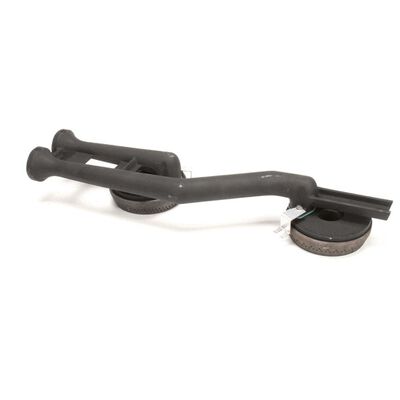
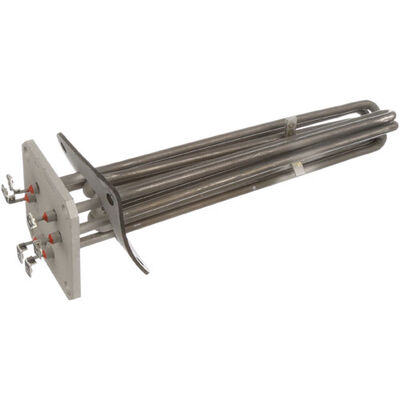
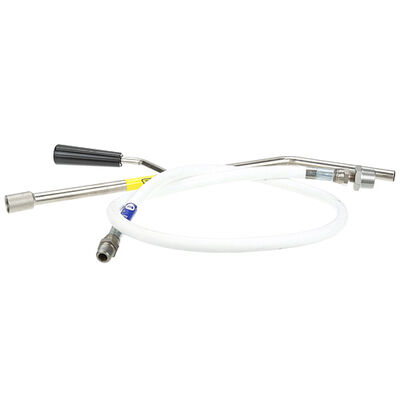
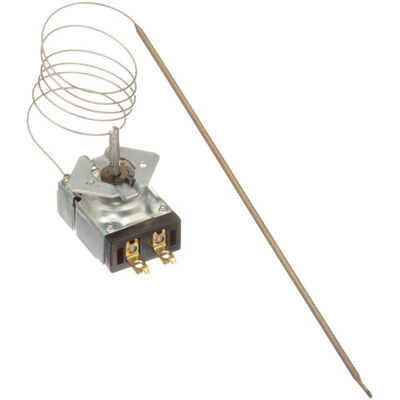
Looking for replacement parts to keep your commercial gas ranges performing at their best? PartsFe offers essential gas range components such as burners, valves, igniters, knobs, and thermostats from leading brands like Garland, Vulcan, Imperial, and Southbend. Keep your kitchen running safely and efficiently with high-quality replacement parts designed for demanding commercial environments.
References:
https://ieeexplore.ieee.org/document/9331033
https://www.huntington.org/collections/lib-p16003coll2-11611
https://www.aceee.org/files/proceedings/1994/data/papers/SS94_Panel3_Paper15.pdf
FAQs
Why are smart gas ranges more expensive than traditional gas stoves?
They include advanced electronics, sensors, AI software, and connectivity features that improve safety, efficiency, and precision. These technologies increase manufacturing and certification costs compared to basic gas stoves.
Why are gas leak detection and smart controls important in commercial kitchens?
Leak detection ensures automatic gas shutoff and instant alerts for safety. Smart controls improve efficiency through consistent temperatures and reduced manual monitoring.
Why do smart gas ranges require an electrical connection and how long does setup take?
Electricity powers electronic ignition, sensors, leak detection, and smart controls for safe operation. Installation takes about 1–2 hours, with smart configuration completed in 15–30 minutes via an app.