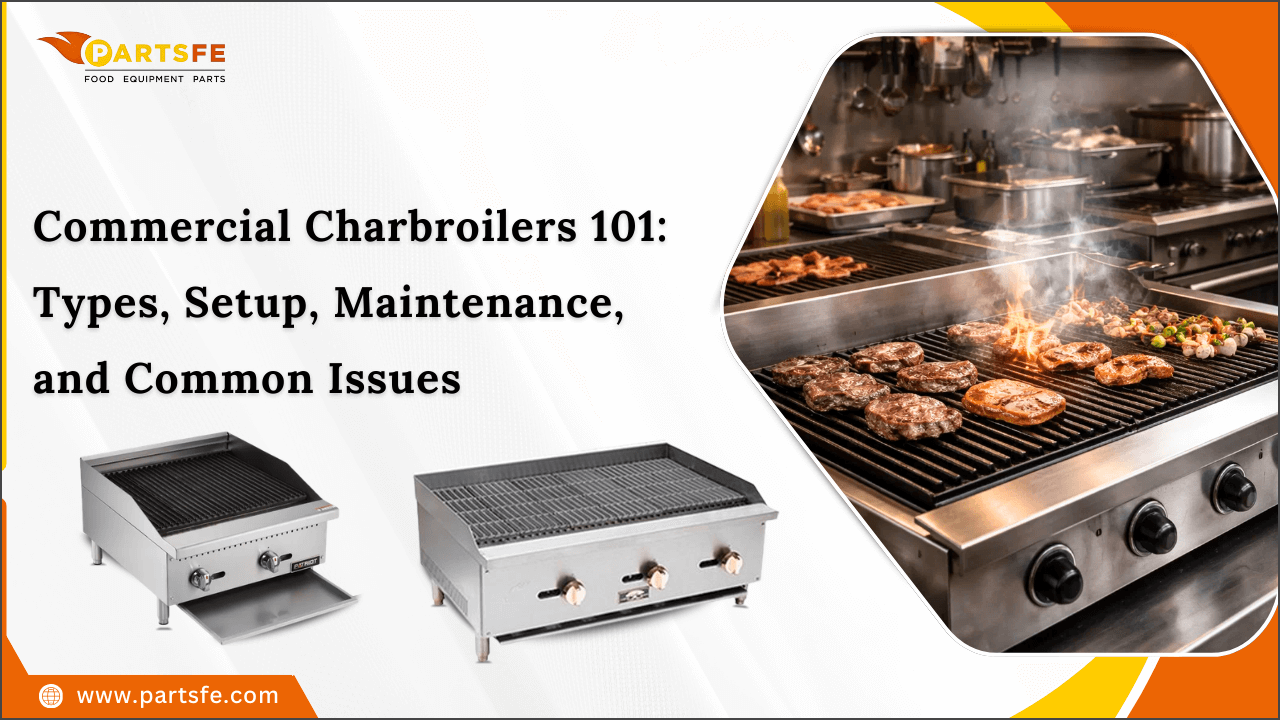
Commercial Charbroilers 101: A Guide for Types, Setup, Maintenance, and Common Issues
Commercial kitchens rely heavily on charbroilers for searing, grilling, and enhancing flavor in meats and vegetables. Understanding how to identify the different types, along with proper setup and maintenance, ensures efficiency, safety, and consistent food quality.
Choosing the right charbroiler and keeping it in top condition can significantly reduce downtime, lower energy costs, and prevent frequent repairs. Whether you run a busy restaurant or a catering kitchen, a well-maintained charbroiler is a core piece of reliable cooking infrastructure that maximizes performance and longevity.
Types of Commercial Charbroilers & How to Properly Set Up
Choosing the right charbroiler is more than volume and menu, it’s about workflow efficiency, energy use, and achieving signature flavors. Each type of charbroiler delivers unique heat behavior and influences how food develops texture and aroma.
Commercial Charbroiler Types:
-
Hybrid Radiant-Infrared Charbroilers: Combine radiant heat with infrared technology for faster searing and reduced flare-ups, perfect for delicate proteins and high-turnover kitchens.
-
Ceramic Gas Charbroilers with Removable Grates: Use heat-retentive ceramic elements to create precise sear zones; removable grates simplify deep cleaning and prevent cross-contamination.
-
Steam-Enhanced Charbroilers: Introduce controlled steam to retain juiciness while still achieving grill marks—ideal for lean meats or vegetables that dry out easily.
Charbroiler Set-up Essentials:
-
Choosing the Right Location: Place your charbroiler on a stable, level surface with easy access for staff while leaving enough space for ventilation and cleaning.
-
Fuel & Electrical Hookups: Ensure gas lines or electrical circuits match the unit’s requirements. Incorrect hookups can reduce efficiency and cause malfunctions.
-
Ventilation & Clearance: Install under a commercial hood with sufficient clearance to prevent heat buildup and allow proper smoke extraction.
-
Grate & Surface Alignment: Check that cooking grates are level and secure, and verify removable parts fit correctly for even heating.
Commercial Charbroiler Installation Tips:
-
Align units to optimize airflow and prevent hotspots, and confirm hood clearance meets fire safety codes.
-
Use digital probes and zone-specific controls to monitor heat per section, preventing flare-ups, burns, and uneven cooking.
-
Remove grease and food buildup regularly to reduce fire hazards and maintain consistent performance.
-
Train staff to use heat-resistant gloves and utensils, and never leave the unit unattended while on.
Tired of wasting money on low-quality charbroiler parts? Shop high-quality kitchen equipment spare parts supplier for commercial restaurants at the best prices. We carry everything from grates, burner knobs, control knobs, radiant shields, crumb trays, and manifold pipes to essential pieces from leading brands like Vulcan, Southbend, Globe, Garland, and True. with fast same-day shipping for uninterrupted kitchen performance.
What Maintenance Practices Keep Commercial Charbroilers Performing Efficiently?
Commercial charbroiler maintenance goes beyond basic cleaning to ensure consistent cooking performance and energy efficiency. Regular upkeep extends equipment lifespan, enhances safety, and prevents costly downtime in busy commercial kitchens.
Essential Maintenance Tasks for Longevity:
-
Check Your Heat Zones: Grab an infrared thermometer or just feel the grates carefully, make sure your hot spots and cool spots are balanced for even searing.
-
Season and Oil the Grates: Keep cast-iron grates slick and rust-free. A quick oiling before and after service keeps steaks and veggies sliding right off.
-
Clean Vents and Reflectors: Wipe out grease from vents, shields, and heat reflectors regularly. Good airflow = steady heat and fewer flare-ups.
-
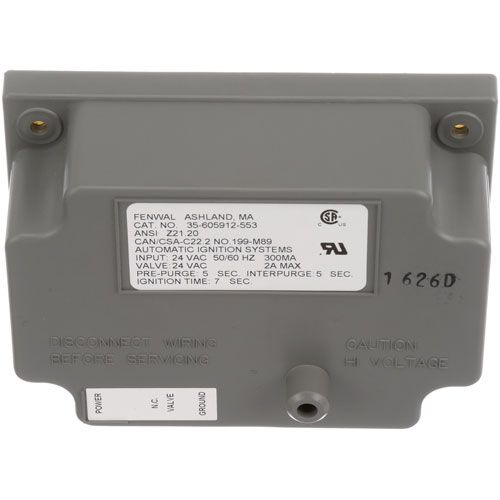
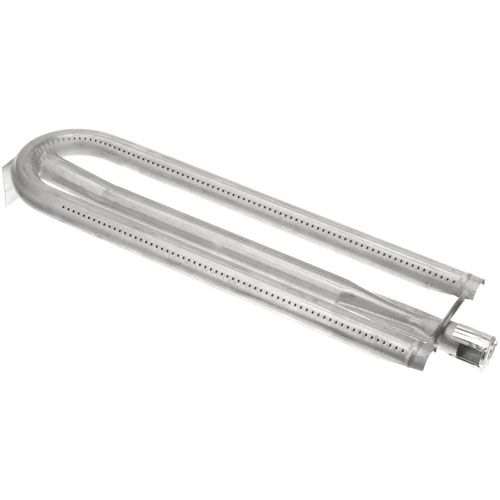
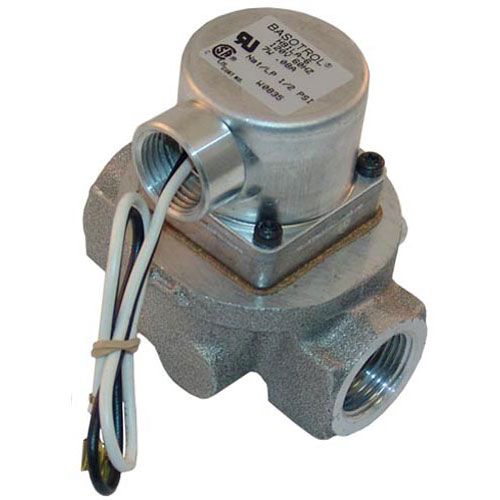
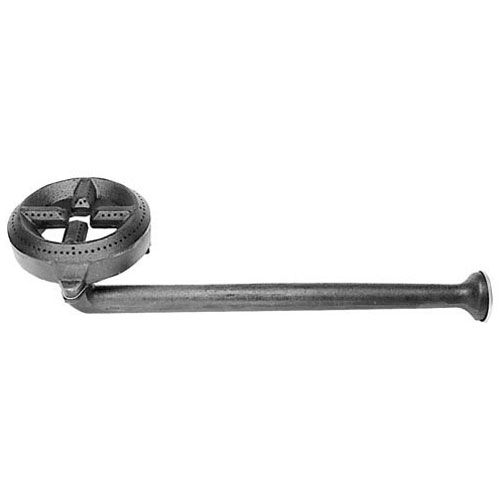
Inspect Burners and Connections: Look over burners, igniters, and gas lines for clogs, corrosion, or leaks. Safety first, no one wants a flame-out in the middle of dinner rush.
-
Check Electronics and Moving Parts: Make sure sensors, digital controls, and hinges or screws move smoothly. A little lubrication goes a long way to keep things running without a hitch.
High-quality Vulcan charbroiler parts ensure consistent grilling performance helping maintain cooking consistency, reduce energy use, and prevent unexpected breakdowns during peak service.
Note: Corroded grates can weaken, break, or flake into food, creating safety hazards and uneven cooking. Moisture and high-acid foods accelerate corrosion, which may also cause flare-ups. Prevent dangerous failures by regularly cleaning, seasoning, and oiling grates, and replace any badly rusted or damaged components immediately.
Learn how to clean grill grates efficiently for safe, even, and optimal cooking performance.
Most Common Commercial Charbroiler Problems and Fixes?
Even the best commercial charbroilers can develop problems without proper maintenance, leading to costly downtime and repairs. Identifying issues early and applying practical fixes helps keep your kitchen operating efficiently and smoothly.
Common Charbroiler Problems and Fixes:
1. Uneven Heat / Hot Spots: Burners may be clogged, misaligned, or grates warped, causing food to cook unevenly.
Fixes: Clean burners, realign grates, and replace any damaged parts to restore consistent heat.
2. Igniter Failure: Grease, dirt, or worn electrodes may obstruct ignition, preventing the burner from lighting.
Fixes: Clean igniters, check electrical connections, and replace faulty electrodes to ensure reliable startup.
3. Flare-Ups / Excess Smoke: Grease buildup, food debris, or dirty vents can cause dangerous flare-ups and excess smoke.
Fixes: Empty grease trays, clean vents, and avoid over-oiling grates to maintain safe operation.
4. Burner Won’t Light / Flames Go Out: Gas pressure issues, leaks, or clogged ports may prevent burners from staying lit.
Fixes: Check gas supply and connections, clean burners, and call a technician if the issue persists.
5. Control Panel or Sensor Malfunctions: Dust, moisture, or damaged wiring can interfere with controls, leading to faulty operation.
Fixes: Clean control panels, inspect wiring, and replace damaged sensors or controls to restore proper function.
When to Call a Professional:
If your burners are uneven, controls aren’t responding, or you notice unusual smells, sounds, or gas pressure issues, call a certified technician immediately to check alignment, calibrate regulators, and inspect safety systems. This keeps your charbroiler safe, efficient, and under warranty.
Explore quick troubleshooting tips and fixes for common Vulcan charbroiler issues to keep it running efficiently.
When Should You Repair or Replace a Commercial Charbroiler?
Choosing between repair and replacement requires more than just looking at wear and tear. Understanding your charbroiler’s performance, energy efficiency, and safety can help you make smart decisions before service is affected.
Commercial Charbroiler Repair vs. Replacement:
|
Issues |
Parts Affected |
When to Repair |
When to Replace |
|
Inconsistent Sear or Flavor |
Burners, grates, heat plates |
Minor uneven cooking; adjust burners, reposition grates |
Repeated sear or flavor inconsistencies despite maintenance |
|
Excessive Energy Consumption |
Burners, heating elements |
Slight rise in energy use; clean burners and check connections |
Significant or persistent increase in gas/electric usage |
|
Warped or Uneven Grates |
Grates, cooking surface |
Small misalignments that can be adjusted |
Grates severely warped or vibrating during cooking |
|
Repeated Safety System Triggers |
Safety valves, sensors, internal components |
Occasional trips after inspection and minor repairs |
Frequent safety trips, overheat warnings, or unsafe operation |
Replacement Tip: If you’re fixing the same charbroiler every month, it’s not maintenance; it’s a warning sign. Replace it before it fails mid-service.
Summary: How the Right Charbroiler Setup and Care Boosts Kitchen Performance
A commercial charbroiler is more than a cooking appliance; it directly influences ticket speed, flavor consistency, and line efficiency. When properly configured and maintained, it becomes a performance driver rather than a service risk. Smart setup and proactive care turn this high-heat equipment into a dependable asset during even the busiest shifts.
Key Takeaways
-
Optimize heat zones to match your menu layout, reducing plate time and improving line flow.
-
Track energy patterns to detect hidden inefficiencies before they impact operating costs.
-
Balance ventilation and airflow to prevent flavor loss, smoke buildup, and heat fatigue in the kitchen.
-
Standardize pre-service equipment checks to avoid mid-shift disruptions.
-
Evaluate performance seasonally, especially during high-volume periods, to maintain output consistency.
-
Treat replacement decisions as operational upgrades, not just equipment swaps, to improve long-term kitchen productivity.
FAQs
What is the difference between radiant and lava rock charbroilers?
Radiant charbroilers use metal plates or ceramic elements to evenly distribute heat across the cooking surface. Lava rock charbroilers use heated rocks to retain and distribute heat while capturing drippings, which can enhance smoky flavor but require more frequent maintenance.
Why is my charbroil commercial grill igniter not clicking?
This is often caused by a faulty spark module, blocked electrode, damaged wiring, or, in some cases, a depleted battery in electronic ignition systems. Inspecting and cleaning the ignition components typically resolves the issue.
How to reset charbroil regulator?
Turn off the grill and close the gas supply. Disconnect the regulator, wait several minutes to allow pressure to normalize, reconnect it securely, then slowly reopen the gas valve before relighting according to the manufacturer’s instructions.
Why is the gas not flowing in my commercial charbroiler?
Gas flow issues may be due to a closed valve, clogged burner ports, regulator malfunction, or an obstruction in the supply line. Always inspect connections carefully and address potential leaks before restarting the unit.
Why is my charbroil grill not heating up?
Common causes include blocked burners, insufficient gas supply, malfunctioning ignition systems, or damaged control valves. Cleaning burners and checking gas pressure are often the first troubleshooting steps.
|
Disclaimer: This content is for informational purposes only and does not substitute professional installation or repair advice; always follow manufacturer guidelines and local safety codes, and consult a certified technician for gas, electrical, or safety-related issues to prevent injury, damage, or warranty voidance. |