Commercial Oven Heating Coil: Top Problems, Causes & Replacement Solutions
Commercial ovens rely on heating coils to maintain accurate cooking temperatures for baking, roasting, and high-volume food preparation. When a heating coil starts failing, it can cause slow preheating, uneven cooking, temperature fluctuations, and unexpected downtime during busy kitchen operations.
A faulty commercial oven heating coil may result from electrical issues, excessive heat cycles, grease buildup, or normal component wear. Regular cleaning, proper oven usage, routine inspections, and timely maintenance can help prevent coil failures and extend its service life. Replacing a damaged commercial oven heating coil restores consistent heating, improves cooking performance, and reduces costly kitchen downtime.
This blog covers common commercial oven heating coil problems, causes, replacement solutions, and maintenance tips.
Understanding Commercial Oven Heating Coils and Their Importance
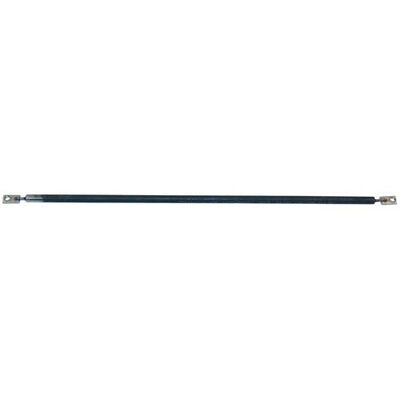
A commercial oven heating coil generates the heat needed for baking, roasting, broiling, and other cooking tasks. It converts electrical energy into heat through a resistance wire inside a protective tube, allowing the oven to maintain the required temperature during operation.
Key functions of commercial oven heating coils include:
-
Maintains accurate temperatures: Works with the thermostat and temperature sensor to keep the oven at the selected cooking temperature.
-
Provides consistent heat output: Ensures even cooking by delivering steady heat throughout the oven cavity.
-
Supports different cooking functions: Bake, broil, and convection elements provide heat for specific cooking requirements.
-
Improves cooking efficiency: A properly working coil helps the oven reach set temperatures faster and recover heat after door openings.
-
Handles heavy commercial use: Designed to withstand continuous operation in restaurants, bakeries, and foodservice kitchens.
A damaged heating coil can lead to slow preheating, uneven cooking, or complete heat loss. Replacing it with the correct model, voltage, and wattage restores proper oven operation.
Shop high-quality commercial kitchen equipment parts at PartsFe to keep your oven running smoothly. Find durable replacement components such as heating coils, oven thermostats, heating elements, control boards, switches, and other essential parts to restore performance and reduce kitchen downtime.
Common Commercial Oven Heating Coil Problems, Causes & Warning Signs
Commercial oven heating coils face constant high temperatures and repeated heating cycles, which can lead to electrical faults, reduced heat output, and complete failure. Identifying early warning signs helps prevent uneven cooking, longer preparation times, and unexpected equipment downtime.
The table below shows common heating coil problems, their causes, and warning signs.
|
Heating Coil Problem |
Common Causes |
Warning Signs |
|
Heating coil not heating |
Burned-out element, broken wire, faulty connection |
The oven stays cold or fails to heat |
|
Uneven oven heating |
Damaged coil, sensor issues, poor airflow |
Food cooks unevenly or has hot and cold spots |
|
Burned-out heating coil |
Overuse, aging element, and voltage problems |
Coil stops glowing and produces no heat |
|
Uneven coil glowing |
Internal damage or weak electrical flow |
Bright and dark areas appear on the coil |
|
Slow temperature recovery |
Weak heating output or power issues |
The oven takes longer to reach the set temperature |
|
Cracks or blistering |
Thermal stress or physical damage |
Visible cracks, swelling, or damaged sections |
|
Terminal damage |
Loose wiring or overheated connectors |
Burn marks, melted terminals, poor heating |
|
Circuit breaker trips |
Short circuit or wiring faults |
The oven shuts down during operation |
Early problem detection reduces heating failures and keeps the oven performing efficiently with a new coil.
Expert Commercial Oven Heating Coil Replacement Solutions
Replacing a commercial oven heating coil requires the correct part selection and careful installation to restore proper heating performance. The replacement coil should match the oven’s model, voltage, wattage, and dimensions to ensure safe and efficient operation.
Step-by-step commercial oven heating coil replacement process:
Step 1: Disconnect the Power Supply
Turn off the oven and disconnect the electrical supply before beginning the repair. This prevents electrical hazards and protects the oven’s internal components.
Step 2: Remove Access Panels
Remove the required panels, racks, or covers to reach the heating coil. The access point depends on whether the oven uses a bake, broil, or convection heating element.
Step 3: Inspect the Damaged Heating Coil
Check the coil for cracks, burn marks, broken sections, and signs of overheating. Inspect the terminals and wiring for loose or damaged connections.
Step 4: Disconnect and Remove the Old Coil
Carefully remove the wires from the heating element terminals and loosen the mounting screws or brackets holding the coil in place.
Step 5: Install the New Heating Coil
Position the replacement heating coil correctly and secure it with the mounting hardware. Make sure it is properly aligned and does not contact other oven components.
Step 6: Reconnect the Wiring
Attach the electrical wires securely to the new element terminals. Proper connections prevent overheating and ensure consistent power delivery.
Step 7: Test Oven Operation
Restore power and run the oven to confirm the heating coil reaches the set temperature, heats evenly, and operates without electrical issues.
Regular inspection of commercial oven parts prevents unexpected breakdowns and helps identify potential issues before they affect kitchen operations.
Preventive Maintenance Tips to Extend Heating Coil Life
Regular maintenance helps prevent heating coil failures caused by grease buildup, electrical problems, and repeated high-temperature cycles. Following these practices helps maintain consistent heating and reduces unexpected oven downtime.
-
Clean the Oven Regularly: Remove food residue and grease from the oven cavity to prevent heat blockage and uneven heating.
-
Avoid Food and Grease Build-Up: Clean spills quickly to prevent deposits that can create hot spots and stress the heating coil.
-
Inspect Heating Coils for Wear: Check for cracks, blistering, discoloration, or uneven glowing that indicate possible coil damage.
-
Check Electrical Connections Periodically: Inspect terminals and wiring for loose connections, burn marks, or overheating signs.
-
Replace Damaged Components Promptly: Replace faulty coils, terminals, or wiring to prevent further oven damage.
-
Schedule Routine Commercial Oven Maintenance: Regular inspections help identify heating and electrical issues before they cause unexpected failures.
Regular maintenance helps prevent heating coil failures and keeps your commercial oven operating consistently.
Summary: Replace a Faulty Commercial Oven Heating Coil Before It Impacts Kitchen Performance
A faulty commercial oven heating coil can affect cooking consistency, increase preparation times, and interrupt daily kitchen operations. Problems such as uneven heating, slow preheating, visible coil damage, and electrical issues often indicate that the heating element needs inspection or replacement.
Choosing the correct heating coil based on oven model, voltage, and wattage helps restore proper temperature control and reliable performance. Regular cleaning, inspections, and timely repairs can reduce downtime and extend the service life of your commercial oven.
Key Takeaways:
-
A damaged heating coil can cause uneven cooking and slow temperature recovery.
-
Visible cracks, blistering, or uneven glowing are signs of possible coil failure.
-
Correct voltage, wattage, and model compatibility are essential when replacing a heating coil.
-
Regular cleaning and electrical inspections help prevent heating problems.
-
Timely replacement reduces unexpected oven downtime and maintains kitchen efficiency.
FAQs
How long does a commercial oven heating element last?
A commercial oven heating element typically lasts 2–5 years, depending on usage frequency, operating temperatures, maintenance practices, cleaning routines, and the number of heating cycles it completes.
Why is my commercial oven not heating evenly?
Uneven heating is often caused by a damaged heating coil, faulty temperature sensor, poor airflow, or electrical issues that prevent consistent heat distribution throughout the oven cavity.
How much does a commercial oven heating coil replacement cost?
Commercial oven heating coil replacement costs vary based on the oven model, element specifications, replacement part price, and labor charges required for proper installation.
|
Disclaimer: This guide is for general informational purposes only and provides general information about commercial oven heating coil maintenance and replacement. Procedures may vary by appliance model. |