
Top 7 Most Common Bunn 1188-0000 Deliming Spring Issues and How to Fix Them
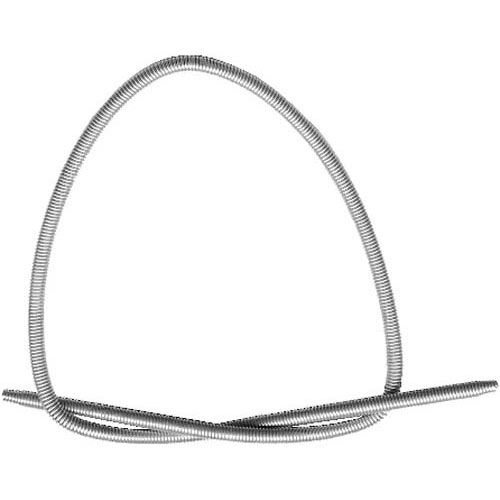
The Bunn 1188-0000 Deliming Spring is a maintenance tool used to remove mineral deposits from the water tube of compatible BUNN coffee brewers. As calcium and lime scale build up over time, water flow can become restricted, leading to slower brew cycles and inconsistent brewing performance. Regular use of the de-liming spring helps keep the water tube clear and the brewer operating efficiently.
However, the de-liming spring itself can develop problems such as mineral buildup, bent coils, corrosion, or wear from repeated use. Identifying these issues early can make descaling more effective and help prevent water flow restrictions.
This guide covers the most common Bunn 1188-0000 Deliming Spring issues, their causes, and practical solutions to keep your brewer in good working condition.
Why Bunn 1188-0000 Deliming Spring Problems Occur
The Bunn 1188-0000 Deliming Spring is designed to remove calcium and lime deposits from the brewer's water tube during routine descaling. Over time, repeated use and exposure to hard water can affect the spring's condition, making it less effective at cleaning the inside of the tube. When mineral deposits continue to accumulate, water flow becomes restricted, and brewing performance may decline.
The most common reasons Bunn 1188-0000 Deliming Spring problems occur include:
-
Hard water mineral buildup: Calcium and lime deposits collect on the spring coils and inside the water tube, making descaling less effective.
-
Bent or stretched coils: Pulling the spring with excessive force or forcing it through a heavily scaled tube can change its shape, reducing its cleaning ability.
-
Corrosion from moisture: Leaving the spring wet after cleaning can cause rust or surface corrosion over time.
-
Infrequent descaling: Delaying routine maintenance allows thick mineral deposits to harden inside the water tube, making them more difficult to remove.
-
Improper handling: Twisting, bending, or using the spring incorrectly during maintenance can damage the coils and shorten its service life.
-
Normal wear and tear: Repeated insertion and removal during regular maintenance can gradually weaken the spring, eventually requiring replacement.
Inspecting the de-liming spring during each descaling procedure helps identify these problems early and keeps the brewer's water system clean and operating efficiently.
Shop high-quality commercial kitchen appliance parts at PartsFe to keep your coffee brewer operating at peak performance. Find durable replacement parts, including de-liming springs, spray heads, heating elements, thermostats, and other essential brewer components, for reliable performance and longer equipment life.
Top 7 Most Common Bunn 1188-0000 Deliming Spring Issues and Their Solutions
The BUNN 1188 de liming spring can become less effective due to regular use and mineral scale buildup. Identifying problems early helps restore proper water flow, improve descaling results, and prevent unnecessary strain on the brewer.
The table below summarizes the most common issues and their recommended solutions.
|
Issue |
Symptoms |
Solution |
|
Spring is clogged with mineral deposits |
White scale on the spring, slower brewing |
Clean with an approved descaling solution and rinse thoroughly. |
|
Spring is difficult to insert |
Resistance while inserting, spring catches in the tube |
Clean the water tube and replace the spring if the coils are bent. |
|
Spring is stuck inside the water tube |
Spring won't slide out easily |
Apply descaling solution and remove the spring carefully without forcing it. |
|
Reduced cleaning performance |
Scale remains after descaling, restricted water flow |
Replace the spring with a genuine BUNN coffee maker replacement parts. |
|
Rust or corrosion |
Rust spots or rough metal surface |
Replace the corroded spring and dry it completely after each use. |
|
Water flow remains restricted after cleaning |
Slow brewing or reduced water output |
Perform a complete descaling and inspect the water tube and spray head. |
|
Spring breaks during maintenance |
Broken or missing coils |
Install a new BUNN spring and avoid bending or twisting it during use. |
After identifying the issue, follow the appropriate repair or replacement method to restore the BUNN deliming spring's performance and keep your BUNN brewer operating efficiently.
How to Diagnose Bunn 1188-0000 Deliming Spring Problems Quickly
Diagnosing Bunn 1188-0000 Deliming Spring problems is mainly about checking whether the spring can still move freely through the water tube and whether mineral scale is being removed during cleaning. Most issues show up as slow water flow, poor descaling results, or resistance during maintenance.
Step 1. Check the spring condition first
Remove the spring and inspect it closely under good light.
Look for:
-
White calcium scale stuck between coils
-
Bent or stretched sections
-
Rust spots or dark corrosion marks
-
Broken or missing coil pieces
If any of these are present, the spring is already affecting performance.
Step 2. Test movement through the water tube
Insert the spring into the brewer’s water tube slowly.
Normal behavior:
-
Smooth entry with mild resistance
-
Full movement through the tube length
Problem signs:
-
Stops halfway
-
Feels stuck or uneven
-
Requires force to move
This usually indicates internal scale buildup inside the tube, not just on the spring.
Step 3. Observe water flow during brewing
Run a normal brew cycle after cleaning.
Watch for:
-
Slow drip or reduced stream
-
Longer-than-normal brew time
-
Inconsistent water output
If the flow does not improve after descaling, the spring may not be cleaning effectively or the tube may still be scaled.
Step 4. Check cleaning results after descaling
After using the BUNN coffee maker deliming spring, inspect the tube and spring again.
Signs of incomplete cleaning:
-
Remaining white deposits inside the tube
-
Spring is still covered in scale
-
No improvement in flow speed
This points to either a worn spring or heavy internal buildup.
Step 5. Identify repeated maintenance issues
If you need to descale more often than usual (for example, every few days in normal use), it usually means:
-
Spring is no longer scraping effectively
-
Coils are worn or misshaped
-
Mineral buildup is returning quickly
If the spring is visibly damaged, hard to move through the tube, or cleaning results don’t improve water flow, it should be cleaned or replaced immediately. This prevents further blockage and restores proper brewing performance.
Check out Troubleshooting Common Problems With Bunn Coffee Makers to learn how to diagnose and fix other brewing issues for consistent performance.
Preventive Maintenance Tips to Extend the Life of the Bunn 1188-0000 Deliming Spring
The Bunn 1188-0000 Deliming Spring works best when it is cleaned regularly, handled gently, and stored properly. Most damage happens due to mineral buildup or forcing the spring through a heavily scaled water tube.
-
Inspect regularly: Check the spring every descaling cycle for calcium buildup, bent coils, or rust.
-
Clean after use: Soak in descaling solution, brush off deposits, rinse well, and dry completely before storing.
-
Avoid forcing the spring: If the spring resists inside the tube, descale the tube first instead of pushing harder.
-
Descale on schedule: Clean the brewer every 3 months, or more often in hard-water areas to prevent heavy buildup.
-
Store dry: Keep the spring fully dry in a clean, closed container to prevent corrosion.
-
Replace when worn: Replace the spring if coils are stretched, bent, or no longer clean the tube effectively.
Regular inspection, proper cleaning, and careful handling help extend the life of the Bunn 1188-0000 Deliming Spring and maintain consistent brewer performance.
Summary: Keep Your Bunn 1188-0000 Deliming Spring Working Efficiently
The Bunn 1188-0000 Deliming Spring is a simple but essential maintenance tool that removes mineral deposits from the brewer's water tube. When the spring becomes clogged with scale, bent, corroded, or broken, it cannot remove buildup effectively. This often leads to slower water flow, longer brewing cycles, and repeated scale accumulation.
Regular descaling, careful handling, and routine inspection help extend the spring's service life and keep the brewer operating as intended. Replacing a worn or damaged spring before it fails completely can also prevent more extensive cleaning and maintenance issues.
Key Takeaways
-
Calcium deposits between the coils reduce the spring's cleaning ability.
-
Bent or stretched coils cannot make proper contact with the water tube.
-
Rust and broken coils require immediate replacement.
-
Slow brewing after descaling often indicates remaining scale inside the water tube.
-
Inspect the spring during every scheduled descaling.
-
Using filtered water reduces mineral buildup and extends maintenance intervals.
FAQs
What does the Bunn 1188-0000 Deliming Spring do?
The Bunn 1188-0000 Deliming Spring removes calcium and lime deposits from the brewer's water tube during descaling. This helps maintain proper water flow and consistent brewing performance.
How do I know if the Bunn 1188-0000 Deliming Spring needs replacement?
Replace the spring if the coils are bent, stretched, rusted, broken, or no longer remove mineral deposits effectively after cleaning.
Why is my BUNN coffee maker not de-liming properly?
The water tube may contain heavy mineral buildup, the de-liming spring may be damaged, or the descaling procedure may not have removed all scale deposits.
How often should I clean or inspect the Bunn 1188-0000 Deliming Spring?
Inspect the spring every time you descale the brewer. For most commercial applications, descale every three months, or monthly if hard water is used.
Can I replace the Bunn 1188-0000 Deliming Spring myself?
Yes. The spring is a maintenance component that can be replaced during routine cleaning. Ensure the replacement matches your brewer model and insert it carefully without bending the coils.
|
Disclaimer: This guide provides general information on troubleshooting and maintaining the Bunn 1188-0000 Deliming Spring. Maintenance procedures may vary by appliance model. |